 11
Nutrition plays a foundational role in children’s growth, cognitive development, academic learning, and long-term health trajectories. Yet, for decades, global and domestic nutrition research, public health programs, and legislative policies have predominantly concentrated on early childhood—specifically the critical first thousand days of life through the toddler years. While this early focus is undeniably vital, it has left significant blind spots regarding the unique nutritional needs, vulnerabilities, and developmental milestones of school-aged children and adolescents.
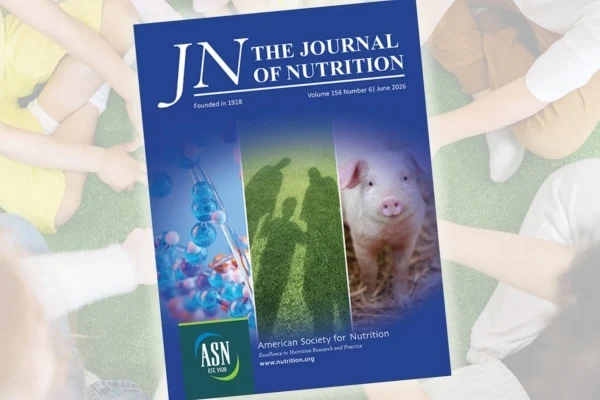
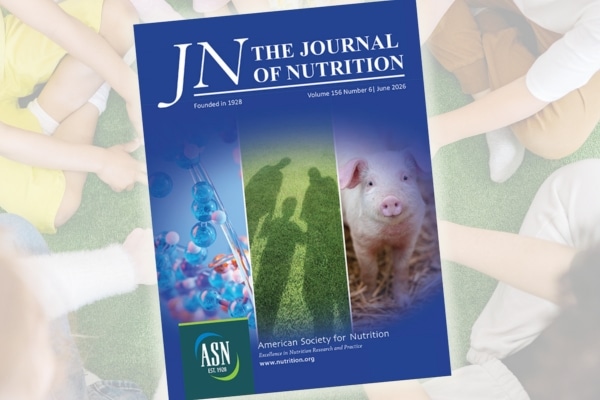
To address this pressing gap in public health, a new editorial published in the American Society for Nutrition’s The Journal of Nutrition highlights the launch of a comprehensive national initiative. Titled “Towards a nutritional ecology for children and adolescents,” the editorial serves as a foundational piece for the Biomarkers of Nutrition for Development: Knowledge Indicating Dietary Sufficiency (BOND-KIDS) Project. Supported by the National Institutes of Health (NIH), the BOND-KIDS Project is designed to fundamentally improve how nutrition programs, assessment methodologies, and public policies are structured, evaluated, and implemented for children and adolescents between the ages of five and nineteen.
Understanding Nutrition Across Childhood and Adolescence
The newly released editorial underscores why a broader, more integrated paradigm is urgently required in the field of public health nutrition. Traditional research frameworks have often examined dietary sufficiency through an isolated lens, missing the complex web of biological and environmental influences that dictate the health of growing youth.
The BOND-KIDS Project steps forward to address this limitation by taking a holistic look at how nutrition shapes health and development from early school age through late adolescence. Rather than focusing solely on internal biological metrics, the initiative examines the intricate interplay between what happens inside a child’s body and the numerous external factors that govern their daily lives. This includes the direct impacts of family dynamics, school environments, community resources, and broader social and physical surroundings.
This comprehensive perspective is especially critical during the school-age and adolescent years, a developmental phase marked by rapid physical transformations, puberty, and significant cognitive maturation. As children transition into adolescence, they naturally gain independence, leading to shifts in their behavioral patterns and dietary choices. These decisions are increasingly influenced by a variety of external forces, including food availability and affordability within their neighborhoods, the preferences of peers and family members, food marketing, aggressive advertising, and the pervasive presence of digital media.
Furthermore, the editorial calls attention to the complex reality of modern nutritional challenges, noting that young people today can experience multiple forms of malnutrition simultaneously. In many communities, undernutrition, micronutrient deficiencies, and the rising prevalence of overweight and obesity co-exist—sometimes within the same neighborhoods, schools, or even households. Navigating these multifaceted challenges requires a nuanced understanding of how nutritional requirements fluctuate dynamically throughout childhood and adolescence. Ensuring optimal nutrition during these formative years not only protects immediate health and developmental outcomes but also prevents chronic disease risks later in life, potentially safeguarding the health of future generations.
Looking at a Bigger Picture Through Multidisciplinary Collaboration
To tackle these intricate public health dilemmas, the BOND-KIDS Project has successfully convened a diverse collective of experts spanning multiple scientific and clinical disciplines. This collaborative framework is organized into four specialized working groups, each dedicated to a distinct pillar of the initiative: biology, environmental factors, nutritional assessment, and translation and implementation.

Together, these working groups are tasked with synthesizing existing data, identifying critical research gaps, and establishing robust methodologies to evaluate dietary sufficiency across different developmental phases. Each stage of childhood and adolescence brings distinct nutritional requirements and profound shifts in growth velocity and metabolic demand, making a segmented yet cohesive approach essential for accurate scientific assessment.
By aligning biological research with environmental tracking and practical policy implementation, the BOND-KIDS Project aims to build a comprehensive framework that researchers, clinicians, and public health practitioners can rely upon. This coordinated effort seeks to ensure that future nutrition interventions are grounded in solid scientific evidence that reflects the lived realities of school-aged youth and adolescents.
Read the Editorial and Explore the BOND-KIDS Research
For researchers, policymakers, and public health professionals seeking a deeper dive into this paradigm shift, the newly published editorial in The Journal of Nutrition provides a thorough overview of the BOND-KIDS approach. It outlines strategic opportunities to strengthen nutritional research frameworks, refine evaluation programs, and shape more effective policies tailored to the realities of growing populations.
Interested readers can also explore the broader BOND-KIDS article collection hosted by The Journal of Nutrition to access foundational research papers, expert commentaries, and specialized studies covering the project’s core pillars, including biological markers, environmental nutrition ecology, assessment methodologies, and translational strategies for real-world implementation.