 111
 2
 3
Before becoming a parent, the logistical complexity of simply getting out the front door with young children is almost impossible to fully appreciate. Yet, as any seasoned caregiver knows after a few years of wrangling small humans, that daily routine pales in comparison to the daunting challenge of an entire day spent trapped indoors when outside is strictly off-limits. Whether driven by relentless downpours or the looming threat of winter illness circulating through nurseries and schools, the mere thought of filling endless indoor hours can trigger a profound sense of panic.

For many parents and caregivers, being outside is not just a pleasant way to pass the time; it is a vital pillar of mental health. The outdoors offers its own built-in entertainment system for young children, transforming mundane activities into captivating experiences. A standard bus ride becomes a rich sensory adventure, while a routine trip to the doctor’s surgery provides ample inspiration for imaginative role-play on the way home.
However, there are inevitable days when leaving the house is genuinely impossible. Over four and a half years of parenting two small children, journalist Rose Stokes has developed a practical arsenal of ideas and gear designed to keep both children and adults sane during those cabin-fever-inducing indoor marathons. Along the way, she has also identified the essential kit required to brave the wet weather when venturing outside is unavoidable.
When the weather forces families indoors, having the right environment and tools can make all the difference between a chaotic struggle and an enjoyable day together.
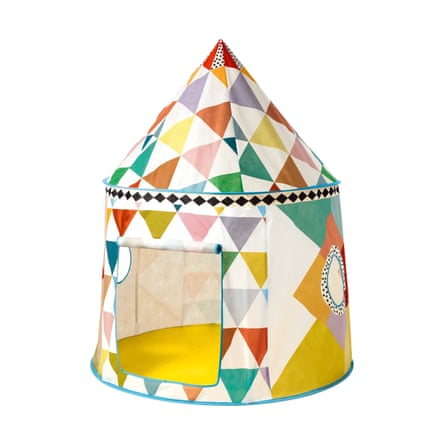
One unexpectedly popular item in many households is a simple play tent. Often received as a generous gift from relatives, initial impressions of such bulky items can involve skepticism regarding their size and intrusive nature. However, children of all ages consistently gravitate toward them, drawn by the illusion of privacy they provide—not to mention their usefulness as an unconventional hiding spot during a game of hide-and-seek. Bright, colourful, and sturdy fabric tents offer a cozy retreat for reading books together or providing a quiet space for an older child to decompress when younger siblings disrupt elaborate toy constructions.
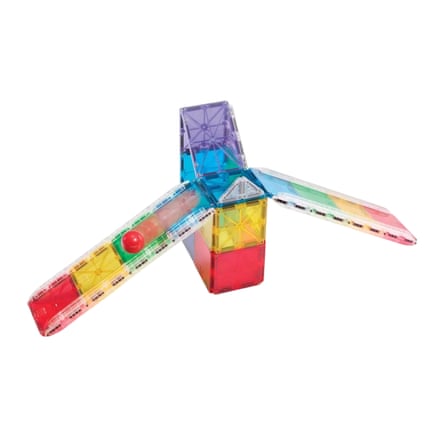
Building toys, particularly magnetic tiles, hold a universal appeal that captivates parents almost as much as their children. While imitation brands flood the market, investing in official sets often proves worthwhile due to their durability against heavy-handed toddlers who test the limits of gravity and impact resistance. Advanced sets featuring rail racers and tracks provide endless hours of focused engineering and creative play, bridging the gap between toddlers and older siblings.
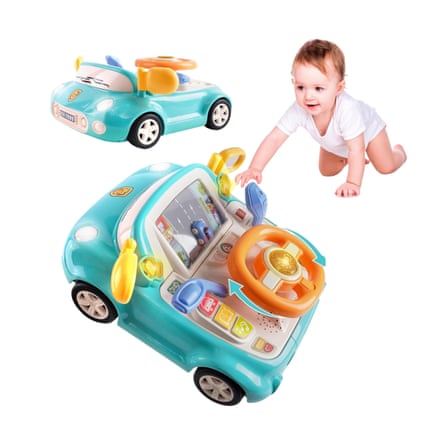
Interactive toys, though occasionally notorious for repetitive nursery rhymes and plastic bulkiness, can become household staples that capture the imagination of every visiting child. Steering wheel toys featuring rolling screens that simulate an unfolding road offer tactile engagement that keeps children entertained for remarkably long stretches.
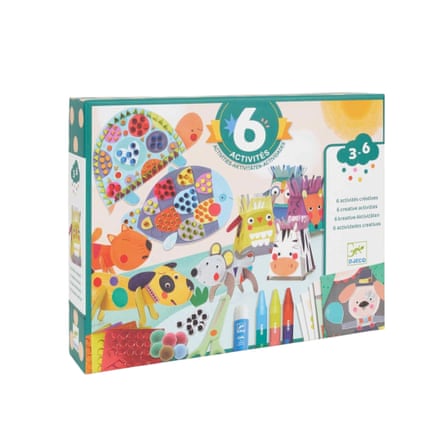
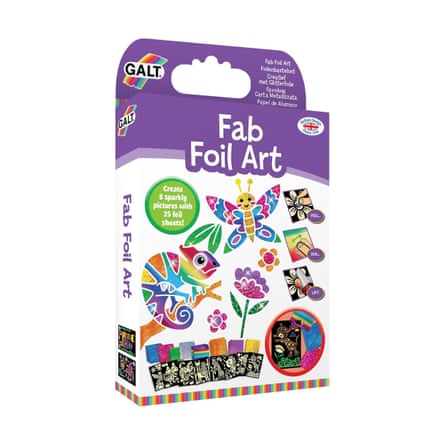
Craft kits provide another reliable avenue for indoor engagement, though managing the supplies requires some strategy. While assembling a miscellaneous collection of crafting bits and pieces is an option, premade kits offer targeted activities with minimal mess. Foil sticker sets, in particular, provide creative satisfaction without the cleanup nightmares associated with traditional paints and loose glues.
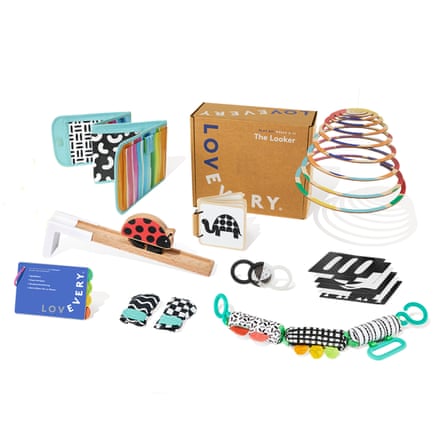
For long-term engagement, toy subscription services have emerged as a popular solution for rotating playthings without the administrative burden of traditional toy storage rotation. Receiving age-appropriate, sustainably made play kits every few months introduces fresh stimuli precisely when children’s developmental needs shift. From newborn mobiles that captivate infants during essential care routines to complex puzzles and active play equipment, these curated items offer reliable salvation during prolonged indoor stretches.
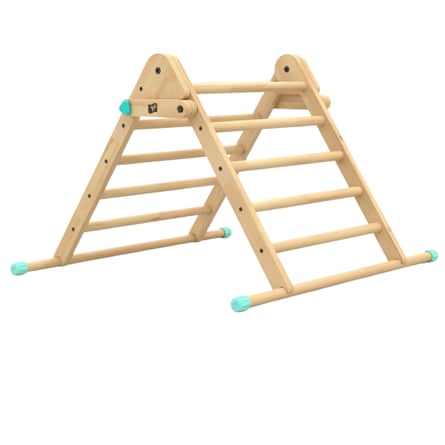
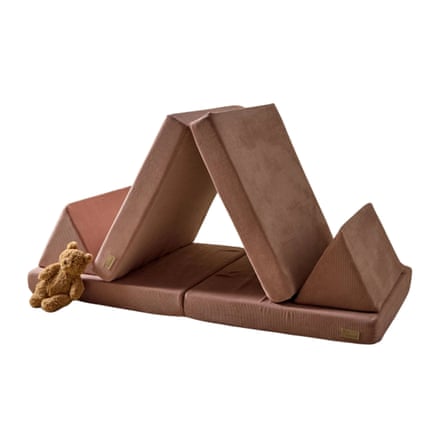
Active play is equally crucial for burning off pent-up physical energy. Pikler triangles and modular play sofas transform living rooms into obstacle courses, climbing frames, and imaginative landscapes ranging from castles to spaceships. These versatile foam structures not only accommodate the boundless energy of climbing-obsessed toddlers but also double as comfortable resting spots for exhausted parents practicing what can only be described as horizontal parenting.
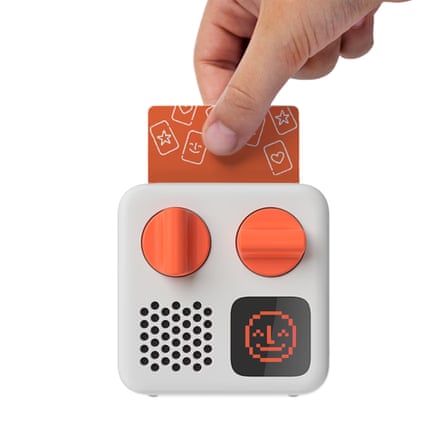
Screen-free audio players have also transformed indoor entertainment, allowing children to independently navigate stories, songs, and personalized voice recordings from relatives. By granting children a sense of control over their listening choices through physical cards, these devices foster autonomy while remaining entirely manageable for parents via smartphone applications.
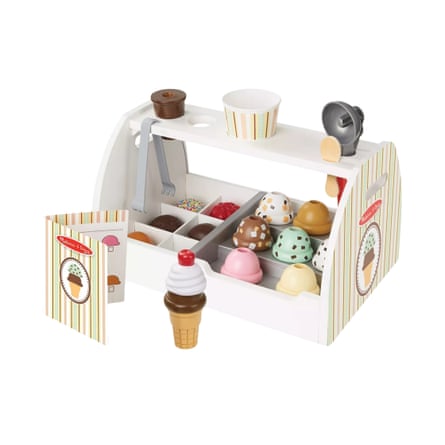
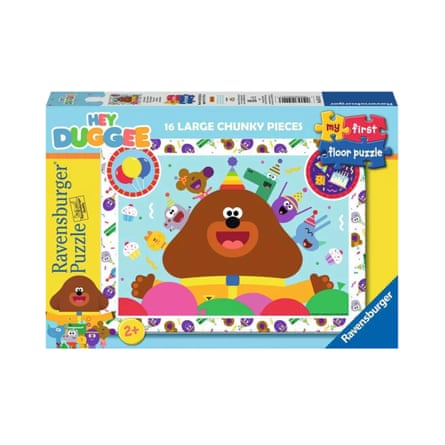
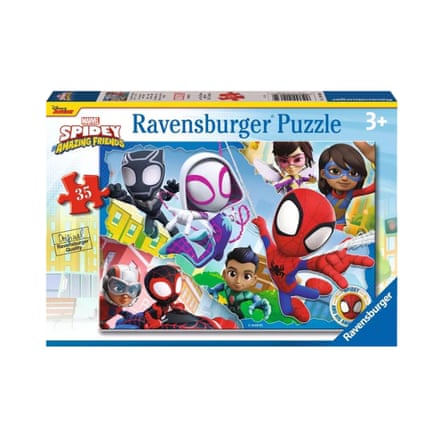
For older children and families seeking interactive entertainment, gaming consoles like the Nintendo Switch offer cooperative experiences such as Mario Kart and active dance games that bring everyone together in the living room during weekend storms. Meanwhile, traditional pastimes like board puzzles, imaginative role-play sets like wooden ice-cream counters, and flexible floor race tracks continue to prove their enduring value across generations.

Keeping children entertained indoors does not always require expensive investments. Several budget-friendly and homemade solutions can fill hours with minimal expenditure.
Homemade playdough made using simple kitchen ingredients and food dye allows children to participate in selecting their daily colour palette. While these mixtures carry a higher risk of staining than commercial alternatives and are best confined to the kitchen table, the process of making and molding the dough provides substantial sensory engagement.

When standard routines fail, an impromptu daytime bath can serve as an effective circuit breaker for restless children. Extending bath time beyond the usual evening schedule, perhaps enhanced with colour-mixing bath drops, offers a comforting and immersive sensory distraction.
Costume play sourced affordably through second-hand platforms provides children with endless avenues for imaginative transformation, allowing them to step into different personas whenever inspiration strikes. Meanwhile, classic indoor dens constructed from chairs, bed sheets, and fairy lights remain timeless favorites that require nothing more than household items. Traditional active games like the floor is lava, hide-and-seek, and balloon-based keepy-uppy further ensure that physical activity is not entirely lost to the indoors.
Living in regions prone to relentless rain means that venturing outside between November and April requires robust waterproof clothing. For younger children, all-in-one puddle suits featuring removable warm inner layers offer adaptability against fluctuating temperatures.

For older children, durable shell trousers and bib pants provide reliable protection against wet conditions while allowing room for layering. Brands that emphasize longevity and adjustable features ensure that garments can withstand multiple seasons of heavy use. Coupled with high-quality wellies and merino wool socks—while avoiding impractical fur-lined boots that trap moisture—children can safely embrace the elements regardless of the forecast.

Rose Stokes is a Bath-based journalist who balances writing about women’s health and parenting two small humans.