 111
 2
 3
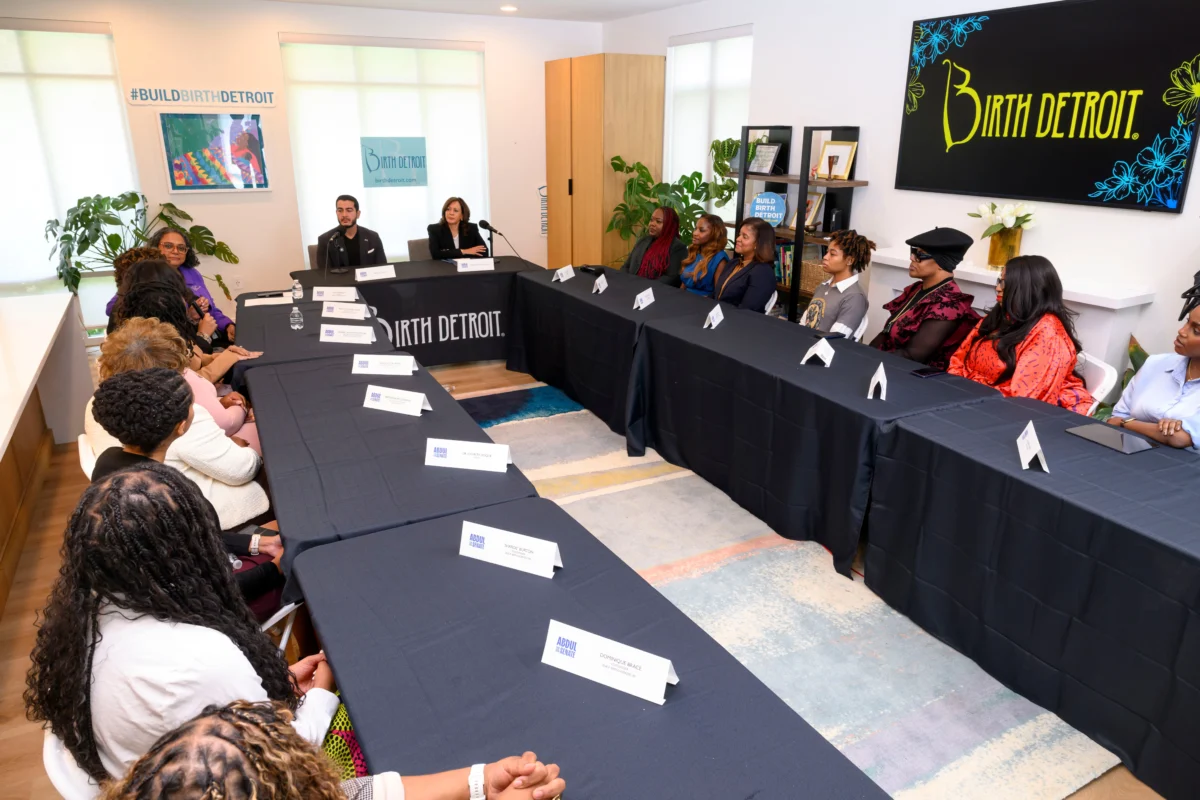
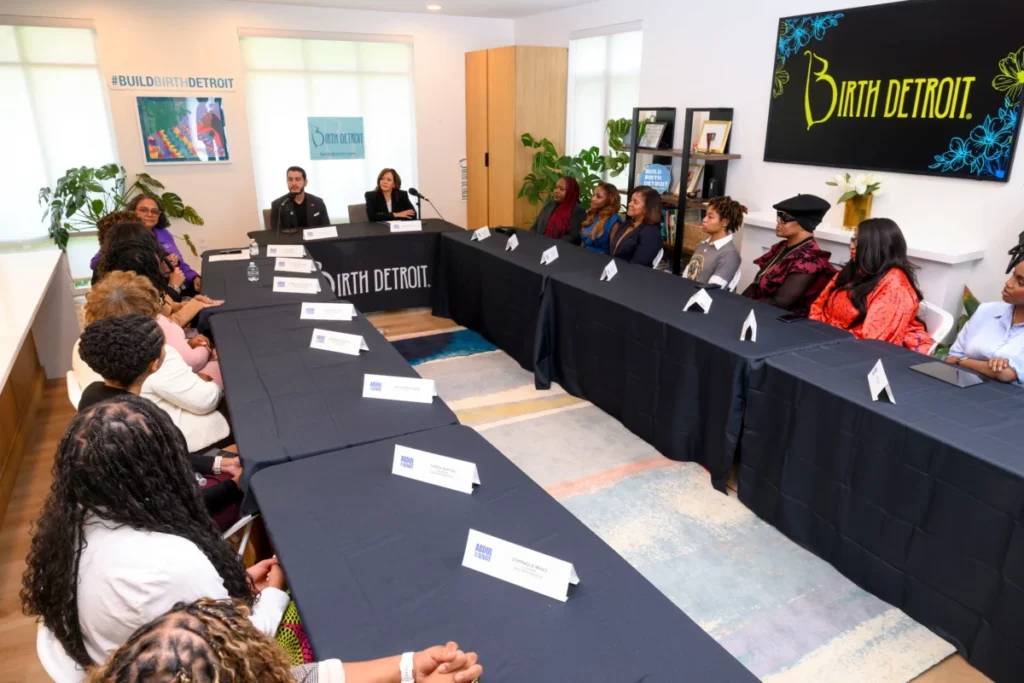
WASHINGTON — Former Vice President Kamala Harris forcefully defended diversity, equity, and inclusion initiatives during a joint campaign appearance in Detroit, characterizing conservative opposition to these programs as a direct “attack on maternal care.”
Speaking alongside Michigan Democratic Senate nominee Dr. Abdul El-Sayed at a roundtable focused on Black maternal health, Harris argued that ongoing efforts to dismantle DEI policies threaten critical health infrastructure and safety nets designed to protect vulnerable demographics, particularly during pregnancy and childbirth.
“The attack on DEI is an attack on maternal care — including the need to protect Black women in connection with their pregnancy, childbirth, and postpartum care,” Harris told the audience of community advocates, health experts, and local leaders.
The high-profile event was carefully orchestrated to help bridge lingering divides and shore up El-Sayed’s support among Black voters, a critical constituency within the Democratic coalition. During last month’s closely watched and bruising primary election, El-Sayed had experienced softer-than-expected support from this vital voting bloc as he competed for the Democratic nomination against Representative Haley Stevens.
The visit also served as an opportunity for the two prominent Democrats to project a united front following a tumultuous political cycle in 2024. The pairing carried notable political irony given El-Sayed’s past alignment with the “uncommitted” movement during the 2024 presidential primaries—a progressive voter revolt that arose largely in opposition to the Biden administration’s foreign policy and its handling of the conflict between Israel and Hamas in the Gaza Strip.

At the time, Harris was positioned as part of the Biden-Harris ticket, and many high-profile organizers of the uncommitted movement ultimately refused to endorse her candidacy after President Joe Biden stepped aside and she secured the Democratic nomination. Furthermore, members of El-Sayed’s own family had publicly criticized Harris during the height of the 2024 campaign season.
Despite those past tensions, El-Sayed ultimately threw his support behind Harris in July 2024, citing the existential dangers posed by the Republican presidential ticket and the urgent need for Democratic unity to defeat Donald Trump.
The past political friction spilled over briefly earlier on Tuesday, when a reporter questioned El-Sayed about
his previous association with the uncommitted movement as he prepared for Harris’s arrival in Detroit. Visibly frustrated by the line of questioning, the Senate candidate pushed back sharply against the inquiry.
“Was Vice President Harris running for president at the time we were uncommitted?” El-Sayed snapped at the reporter. “I mean, ask a fact-based question, then I’ll answer your question.”
Despite the brief flash of irritation earlier in the day, the joint roundtable itself focused heavily on substantive policy discussions surrounding maternal mortality disparities. Experts and activists at the event grappled with deeply entrenched systemic issues, examining the underlying causes behind why Black women continue to face significantly higher mortality rates during and after childbirth compared to white women.

Harris tied these systemic health disparities directly to the broader national debate over civil rights policies, inclusion initiatives, and the balance of power in Washington. She emphasized that the upcoming midterms carry monumental consequences for reproductive health and civil rights protections.
“These are the facts when we talk about what is at stake in this moment as it relates to these midterms, and who occupies seats in one of the most important bodies in our nation, if not the world, which is the United States Senate,” Harris told the gathering.
Throughout the primary season, Harris had maintained strict neutrality, declining to take a side in the contentious battle between El-Sayed and Stevens, a contest that saw much of the traditional party establishment line up behind the congresswoman over the former public health official. However, in the weeks since the primary concluded, national Democratic figures have made concerted efforts to visit Michigan to help consolidate party unity behind El-Sayed.
Michigan is widely considered to be home to one of the most fiercely contested and critical Senate races in the country. Recent public opinion polls indicate that the race between El-Sayed and his Republican opponent, former gubernatorial candidate Mike Rogers, remains a dead heat, underscoring the importance of consolidating every faction of the Democratic base ahead of November.
The two Democrats leaned into a spirit of reconciliation as the panel session drew to a close, utilizing lighthearted banter to signal that past primary and general election friction had been successfully put behind them.
“I think we are at the point of our new relationship where I can call you Abdul,” Harris quipped as they wrapped up their appearance.

El-Sayed responded in kind, saying, “Perfect. For me, it’s going to be Madame Vice President.”
Following the conclusion of the roundtable event—which was held with limited press access—Harris turned her attention to broader national headlines, sharply criticizing former President Donald Trump over his administration’s press policies and recent decisions regarding news organization access. Harris condemned a reported ban that has restricted reporters from CNN, Politico, and MS Now from accessing the White House to cover the administration.
“It’s abhorrent. Absolutely abhorrent,” Harris told reporters. “The man is afraid of the voice of the people, so he is trying to stifle the ability of journalists to let the people of America know what is really going on with their government.”
The ongoing dispute and restrictions involving the specified news outlets and the White House press corps are currently the subject of active legal battles in federal courts.