 111
 2
 3
In an era where modern technology and instant gratification allow parents to solve almost any child-rearing discomfort with a single tap, renowned clinical psychologist and Good Inside founder Dr. Becky Kennedy argues that we are doing young people an unprecedented disservice. True confidence, she insists, is not about a perpetual state of happiness or the elimination of hurdles, but rather the development of self-trust—a vital attribute forged precisely in the difficult moments we are most tempted to smooth over.

Appearing in a candid and wide-ranging conversation with Liz Tenety on The Motherly Podcast, Dr. Kennedy explored the foundational realities of raising resilient, capable children. Known to millions of parents simply as Dr. Becky, the Duke graduate and three-time New York Times bestselling author shared deep insights on parental authority, the misconception of prioritizing happiness above all else, and how adults can find genuine confidence not by having all the right answers, but by mastering a repeatable way of thinking through problems.

The discussion frequently circled back to the unique pressures facing contemporary families. According to Dr. Kennedy, modern society has made it easier than ever to immediately alleviate a child’s distress or gratify a fleeting urge. She illustrated this phenomenon with a personal anecdote about her own daughter, who wrote a handwritten letter from summer camp expressing an urgent desire for additional bikinis, including a pricey brand popular among her peers. However, by the time the mother and daughter spoke on the phone a few days later, the teenager had completely moved past the request without a second thought.

For Dr. Kennedy, that simple lag time allowed the initial wave of panic and urgency to subside organically. Because removing obstacles has become so effortless in the digital age, she warns, raising capable and resilient human beings has paradoxically become harder than ever before. When a child experiences a momentary want or social pressure, the human urge is to fix it immediately. Yet, rushing to fulfill every desire prevents young minds from learning how to sit with discomfort and regulate their own emotional states.

Addressing the long-standing cultural baseline where generations of parents declare, "I just want my kid to be happy," Dr. Kennedy challenged this universally accepted aspiration. While the sentiment is well-meaning, she cautioned that operating—even unconsciously—under the assumption that a parent’s primary job is to produce happiness actually sets children up for profound anxiety and fragility later in life.

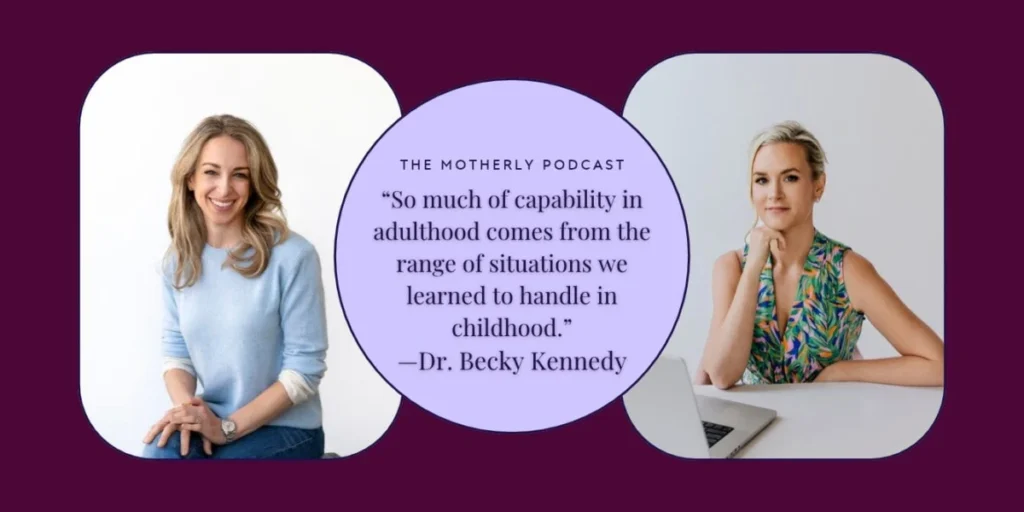
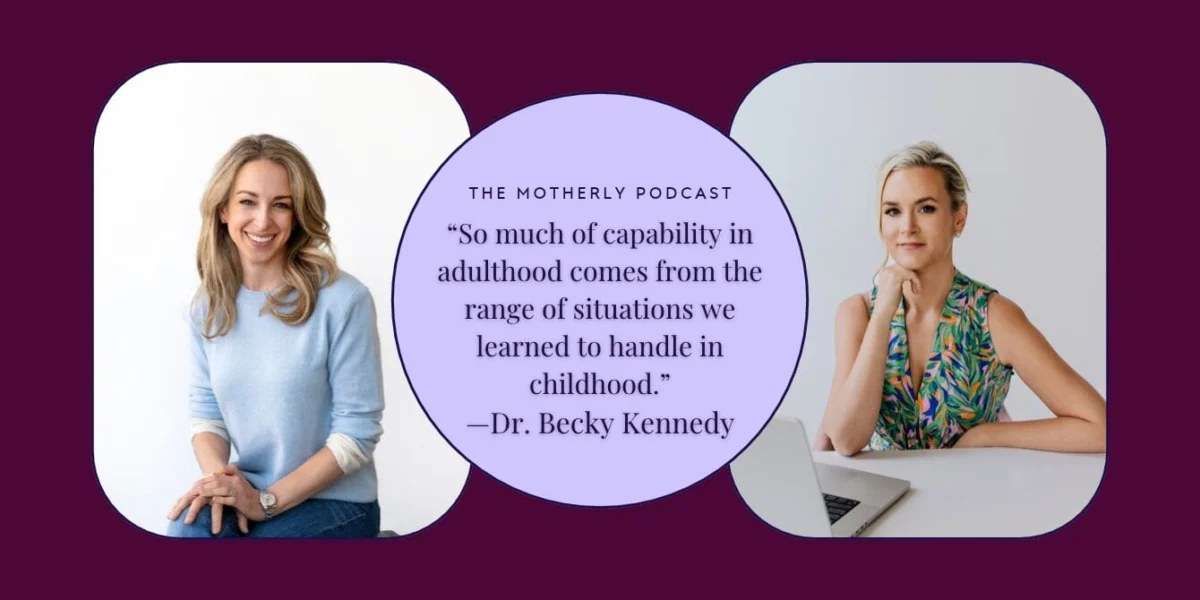
Adult capability, she noted, is largely derived from the wide spectrum of challenging situations individuals learn to navigate during childhood. Drawing on a personal reflection about being left out of a second-grade peer group, Dr. Kennedy emphasized that while the specific social circle of a seven-year-old will be entirely irrelevant decades down the line, the emotional circuitry built by processing that exclusion is invaluable. Adults inevitably face professional setbacks, social slights, and personal disappointments. Therefore, children must learn to process jealousy, sadness, and rejection to make genuine room for lasting happiness and fulfillment.

This philosophy directly informs how parents should approach everyday hurdles, such as academic slip-ups. When discussing a scenario where a middle school student receives a zero on an assignment, Dr. Kennedy examined the instinctual parental reaction to immediately jump in with reassurances like, "Don’t worry about it, we’ll fix it together." While completely abandoning a child to figure out a crisis alone is unhelpful, rushing in to erase the consequence entirely deprives them of an essential learning curve.

Instead, Dr. Kennedy advocates for maintaining "one foot in and one foot out." Having one foot in means acknowledging the emotional reality of the situation—validating that an unexpected zero or a setback feels frustrating and disappointing. Having one foot out involves stepping back to offer perspective after the initial emotional wave passes, reminding the child that a single mistake or numerical grade does not define their identity or capability.

This framework of balanced support begins in infancy, long before children encounter school assignments or social exclusion. Dr. Kennedy pointed to standard developmental practices like tummy time, which routinely prompts babies to express their displeasure. The goal of parenting in those foundational moments is not to eliminate discomfort entirely, but to provide steady, responsive comfort. A parent’s job, she asserts, is to offer comfort rather than making the child permanently comfortable. Sitting beside a fussing baby and offering a reassuring presence teaches the infant that distress is manageable and that a caring adult acts as a secure base.

At the core of Dr. Kennedy’s parenting philosophy are two non-negotiable job descriptions for every caregiver: holding appropriate boundaries and validating feelings. She contends that modern parenting has over-corrected, leaving a significant void in the realm of boundaries. True boundaries are decisions adults make regarding their own behavior and authority—actions that children may not like in the moment, but which serve their long-term development. Too often, parents mistake requests for boundaries, phrasing commands as conditional pleas rather than firm assertions of healthy leadership.

Simultaneously, staying connected to children and validating their emotional experiences ensures they feel seen and real. Validation does not mean agreeing with every behavior or allowing a child’s emotional state to dictate household rules; rather, it acknowledges that a child’s internal experience is valid. Together, boundaries and validation answer the subconscious questions every child is constantly asking: Am I safe, and am I real?

For parents striving to implement these concepts, the pressure to execute perfect parenting scripts can feel overwhelming. Dr. Kennedy candidly acknowledged that even she does not consistently follow her own advice in the heat of the moment. She noted that while theoretical scripts provide a helpful starting point, they can also feel restrictive. Many parents joke about adopting a "WWDBD" mindset—asking themselves what Dr. Kennedy would do in a crisis—but she interprets this phenomenon not as reliance on an external authority, but as a reflection of the parent’s internal voice taking shape. Developing a repeatable, structured method for thinking through difficult situations, rather than frantically searching for the single "right" answer, is what ultimately builds parental confidence.

Reflecting on her own upbringing, Dr. Kennedy shared that she was a perfectionistic child who relied heavily on external validation—such as high grades and athletic success—to feel secure. Recognizing how fragile that foundation can be, she champions a definition of childhood confidence rooted deeply in self-trust. It is the quiet assurance that it is acceptable to be oneself, even when falling short of perfection. Through her ongoing advocacy and resources, including the recently launched Childhood Confidence Project in partnership with Carter’s, she continues to guide families toward building a resilient emotional foundation that lasts a lifetime.