 11
to Program Your Emotions
There is an old saying often repeated by fathers and seasoned travelers alike: wherever you go, you are packing yourself. Travel, with all its logistical headaches, delayed flights, and unfamiliar beds, has traditionally been seen as a way to temporarily escape routine while still carrying the internal weight of daily life. But increasingly, the hospitality industry is looking to unpack you entirely—sending you home calmer, happier, or more deeply connected to yourself through an unexpected medium: architecture and interior design.

In the quaint colonial city of Marinilla, Colombia, designer Brian Schon built tranquility directly into the architectural DNA of his Cannúa Lodge. When conceptualizing the property, Schon’s plans called for nothing less than the Fibonacci Sequence—what he describes as “the mathematics of perfection.” This mathematical sequence, which manifests naturally in the structure of leaves, flower petals, seashells, sheep horns, and bees, was woven into the physical layout of the retreat.
“It’s easier for our eyes to process than traditional shapes like squares or cubes,” Schon explained, noting that his ultimate goal was to create a hotel environment that subtly shifts guests’ frames of mind toward relaxation on a subconscious level.
While it might sound like an experimental approach to construction, Schon is far from alone in this endeavor. Across the globe, hoteliers are looking to program specific emotions—whether it is calm, happiness, or intellectual excitement—into every single aspect of a guest’s stay, transforming spaces from passive shelters into active instruments of psychological restoration.

Lisa Sternfeld, founder of the New York City-based WLLW Studio, studies the intricate intersection of design, neuroscience, and emotional wellness. She firmly believes that hotels can manufacture emotional restoration through deliberate, highly calculated design choices. In fact, the interior designer refers to this invisible layer of emotional engineering as “invisible wellness.” According to Sternfeld, elements such as air quality, water purity, natural light, building materials, acoustic dampening, and overall sensory conditions within a hotel room “all become part of how we think about caring for the guest.”
She predicts that the next major evolution in wellness hospitality will start “at the moment we begin designing the building and the room.” While a traditional spa treatment might last for a single hour, she points out that a traveler’s body is continuously experiencing and reacting to the hotel environment for days on end.
This sentiment is echoed by Emily Johnson, founder of the Elevate Hospitality Collective in Tinton Falls, New Jersey. Johnson, a hospitality strategist and wellness travel advisor, stresses that properties do not always require a massive spa or a multi-million-dollar capital investment to fundamentally influence how their guests feel during a visit.

“They can reconsider the arrival ritual, lighting transitions, music levels, fragrance, signage, meal timing, access to outdoor space, and the number of decisions guests are required to make,” Johnson said. “The strongest experiences make the desired emotion feel natural throughout the stay.”
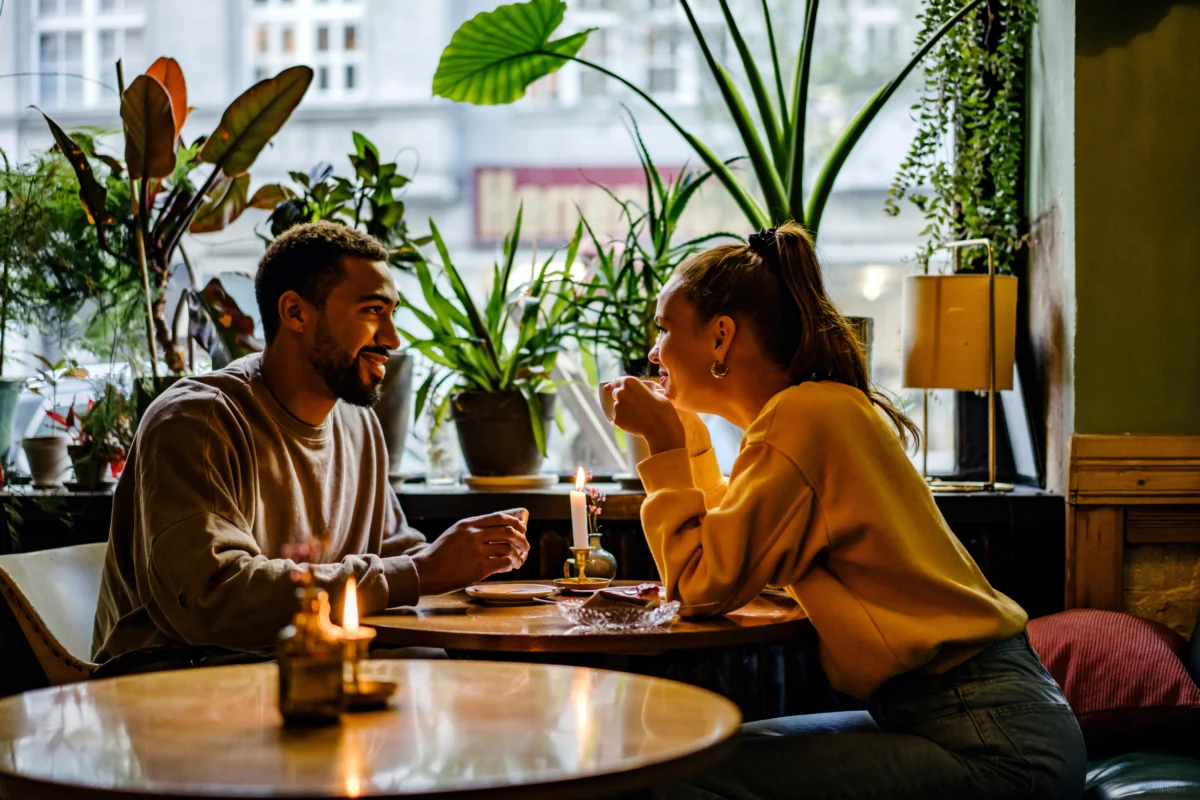
In Belmopan, Belize, the Rainforest Lodge at Sleeping Giant has built its entire identity around the pursuit of serenity. The lodge’s Rainforest Tented Camp features floor-to-ceiling glass walls that peer out directly onto the dense jungle, the Sleeping Giant Mountain, and the Sibun River. A deep sensory connection and an overarching feeling of calmness were also the primary motivations behind the hotel’s "Lights Out at Grove House" initiative—a candle-lit dining experience specifically designed to provoke meaningful conversation while simultaneously reducing electricity consumption.
As Ian Lizarraga, chief operating officer of the Belize Collection, noted, when glowing screens and everyday digital distractions are stripped away, guests naturally begin noticing the gentle flow of the river, the calls of local birds, the changing natural light, and the physical presence of the people sitting right across from them.

In Santa Fe, New Mexico, The Inn of the Five Graces aims to instill a profound sense of presence and self-connectedness in visitors who participate in its upscale, $2,192-a-night "Sixth Grace" experience. The four-night package is designed as a gradual sensory journey that ultimately culminates in what the property calls the “sixth sense”: heightened intuition and deep self-awareness. Guests who book the package can expect a curated schedule of offerings including tai chi sessions, Himalayan salt stone massages, sound healing baths, a historical dinner at The Pink Adobe—a Santa Fe culinary mainstay operating since 1944—complete with a guided mezcal flight, and a private clairvoyant reading.
Meanwhile, back in the United States, the New York City-based firm Suomi Design Works was tasked with summoning a complex spectrum of emotions for The Radical, a boutique hotel in Asheville, North Carolina, that opened in 2023. The guest rooms were intentionally designed to stir up sensuality, drawing unexpected inspiration from 1980s pop culture touchstones like the films Tron and Wall Street, as well as the legendary energy of New York’s historic Palladium nightclub. The rooms feature giant sculptural furniture and rich, tactile textiles meant to spark physical intimacy and tactile engagement.
Up on the rooftop bar, feelings of exhilaration and belonging take center stage. Sweeping views of the French Broad River provide an immediate jolt of excitement, while inviting fire pits, circular seating layouts, and rotating local art and music programming actively encourage strangers and friends alike to gather and linger.

“We engineered The Radical so that emotional responses shift naturally as you move from space to space,” said Michael Suomi, the design firm’s founder. “A guest experiences intrigue entering the lobby through theater curtains, a sense of rebellion walking past raw street art, and deep sensuality inside the guest rooms with draped fabric canopies inspired by 1980s nightlife.”
In Paris, Maison Proust, Hotel & Spa La Mer evokes a powerful sense of nostalgia for beautiful “things past” through opulent interiors designed by Jacques Garcia, featuring classical paintings, authentic period furnishings, and a library brimming with classic literature. Even the hotel’s La Mer spa pays homage to the history, deliberately remembering the Moroccan-style salons frequented by Aunt Léonie in the writings of Marcel Proust.
So the next time you check out of a hotel room feeling noticeably calmer, more centered, or even a little sexier than when you arrived, you may not simply be imagining things. The room was likely just doing its job.