 111
 2
 3
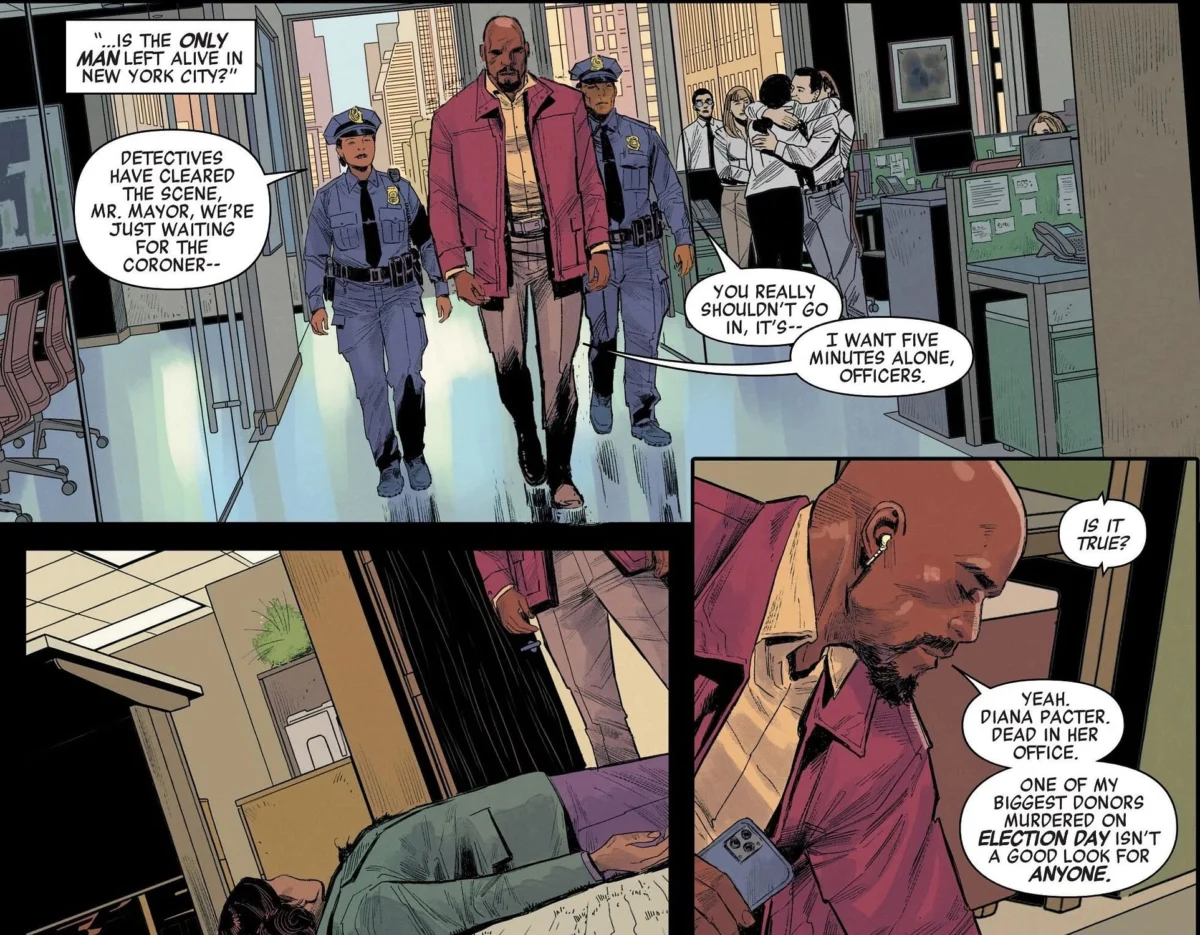
The landscape of the Marvel Universe has shifted dramatically, and the consequences are playing out on the streets of New York City. Hitting comic book store shelves today, Avengers #1—written by Chip Zdarsky with artwork by Marco Checchetto—arrives in the wake of major continuity-shaping events like Avengers: Armageddon and the recent fallout in Captain America. Following a disastrous international incident that involved the destruction of a nuclear Hulk in Russia, public sentiment toward costumed crusaders has plummeted to historic lows. The world has turned its back on Earth’s Mightiest Heroes, and the Avengers have officially disbanded. Core members like Captain America, Thor, and Iron Man find themselves occupied elsewhere, leaving a massive vacuum in leadership and protection.

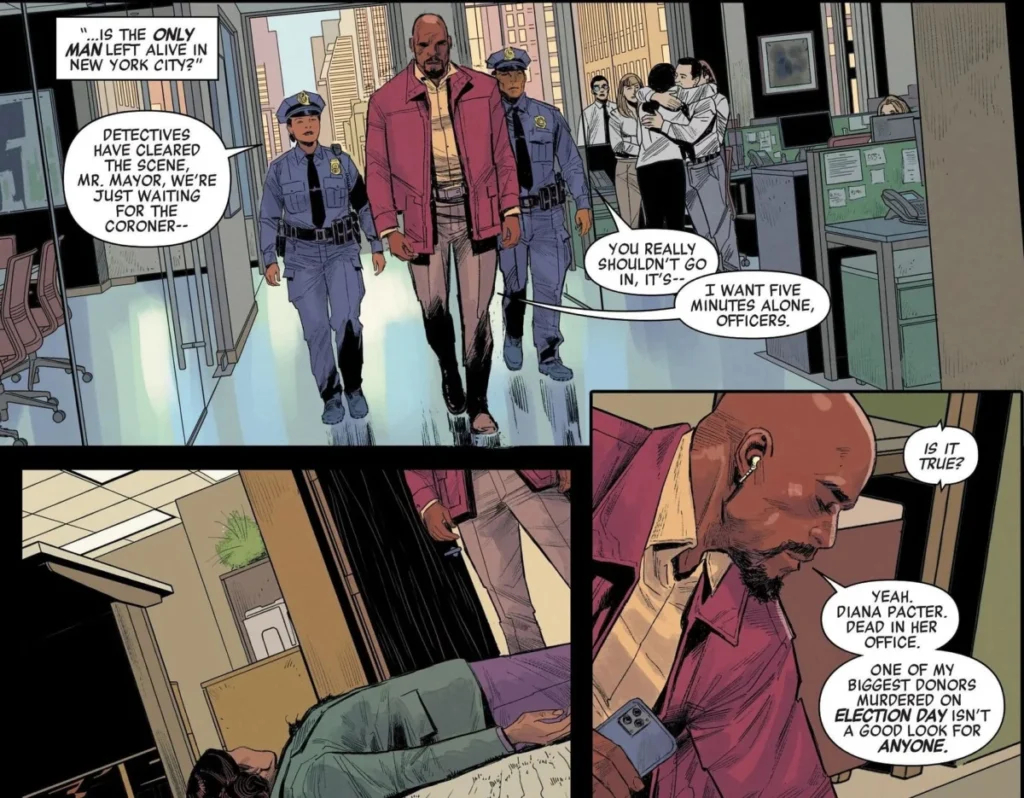
With the superhero community sidelined and public distrust at an absolute peak, the timing could not be more critical for New York City Mayor Luke Cage, who finds himself campaigning hard for re-election. Cage, long respected as a pillar of the community both as a hero and a public servant, is navigating a turbulent political climate where the very existence of superheroes has become a central and divisive campaign issue.

Within the pages of this debut issue, readers are treated to a snapshot of an election day like no other in the Marvel Universe. In classic comic book fashion, background details and satirical commentary seep into the panels, including a wry nod to public anxieties when a voter quips that Spider-Man must surely be an illegal immigrant, encapsulating the reactionary political fervor gripping the city.

As Mayor Luke Cage fights to retain his seat at City Hall, he faces formidable opposition from Amanda Spring, a political challenger running on a decidedly hardline, anti-superhero platform known as "Spring Action." Spring’s campaign is heavily fueled by public fatigue and anger over collateral damage caused by superhero battles, striking a chord with a weary electorate. Assisting Spring in her political ambitions is Julie Howley, an operative working closely within the challenger’s camp. The momentum behind Spring’s anti-vigilante crusade raises immediate questions for readers and political analysts within the story alike, with speculations swirling regarding whether Spring’s virulent anti-hero stance might stem from a hidden personal vendetta or familial ties to Marvel’s colorful rogue’s gallery.

However, the political drama taking place in the public eye is only half the story. Beneath the veneer of standard municipal politics, darker and more sinister forces are actively manipulating the board. It appears that Amanda Spring’s employee, Julie Howley—alongside family members John and Paige—may be harboring secrets of their own as a deeper scandal begins to unfurl.

The plot thickens exponentially with the intervention of cosmic and mystical threats. In a terrifying development for those entangled in the city’s political machinery, Mephisto has returned to make his presence felt. Recent cosmic shifts have rendered many of the Lord of Hell’s previous infernal deals null and void, leaving him free to manipulate mortal affairs in new and destructive ways. It is not just those working within Amanda Spring’s campaign who find themselves in the crosshairs of the demonic overlord; prominent donors and supporters backing Luke Cage’s mayoral campaign are also being directly targeted by Mephisto.

Zdarsky and Checchetto weave a narrative that mirrors real-world political anxieties while filtering them through the extraordinary lens of the Marvel Universe. While the bizarre reality of demonic intervention, mystical pacts, and anti-superhero platforms might feel uniquely suited to the comic page, the underlying themes of polarization, electoral tension, and sudden campaign twists offer a reflection of modern political theater. As Avengers #1 hits stores, readers are left to ponder whether Mayor Luke Cage can survive both a hostile electorate and the machinations of hell itself.