 111
 2
 3

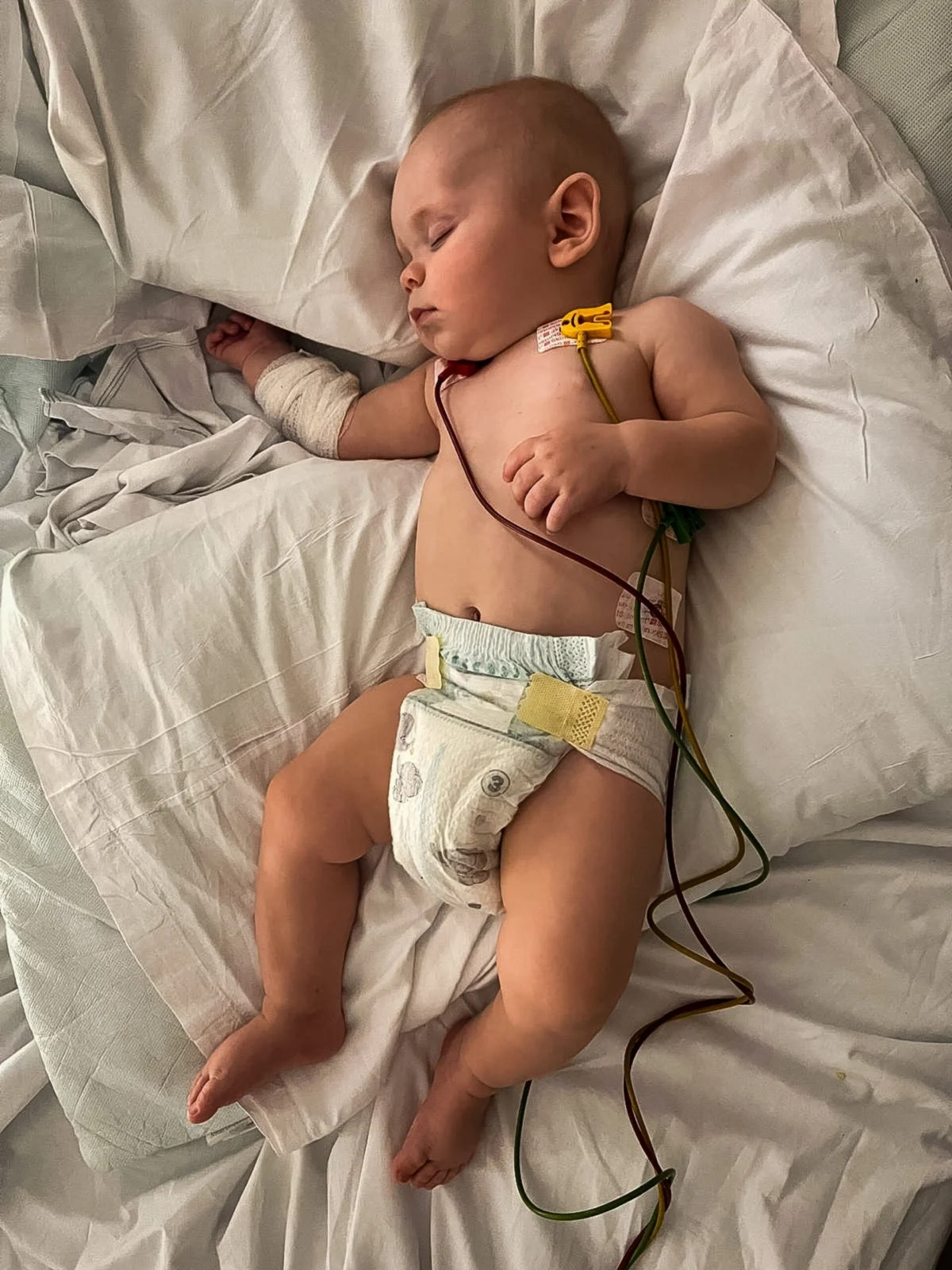
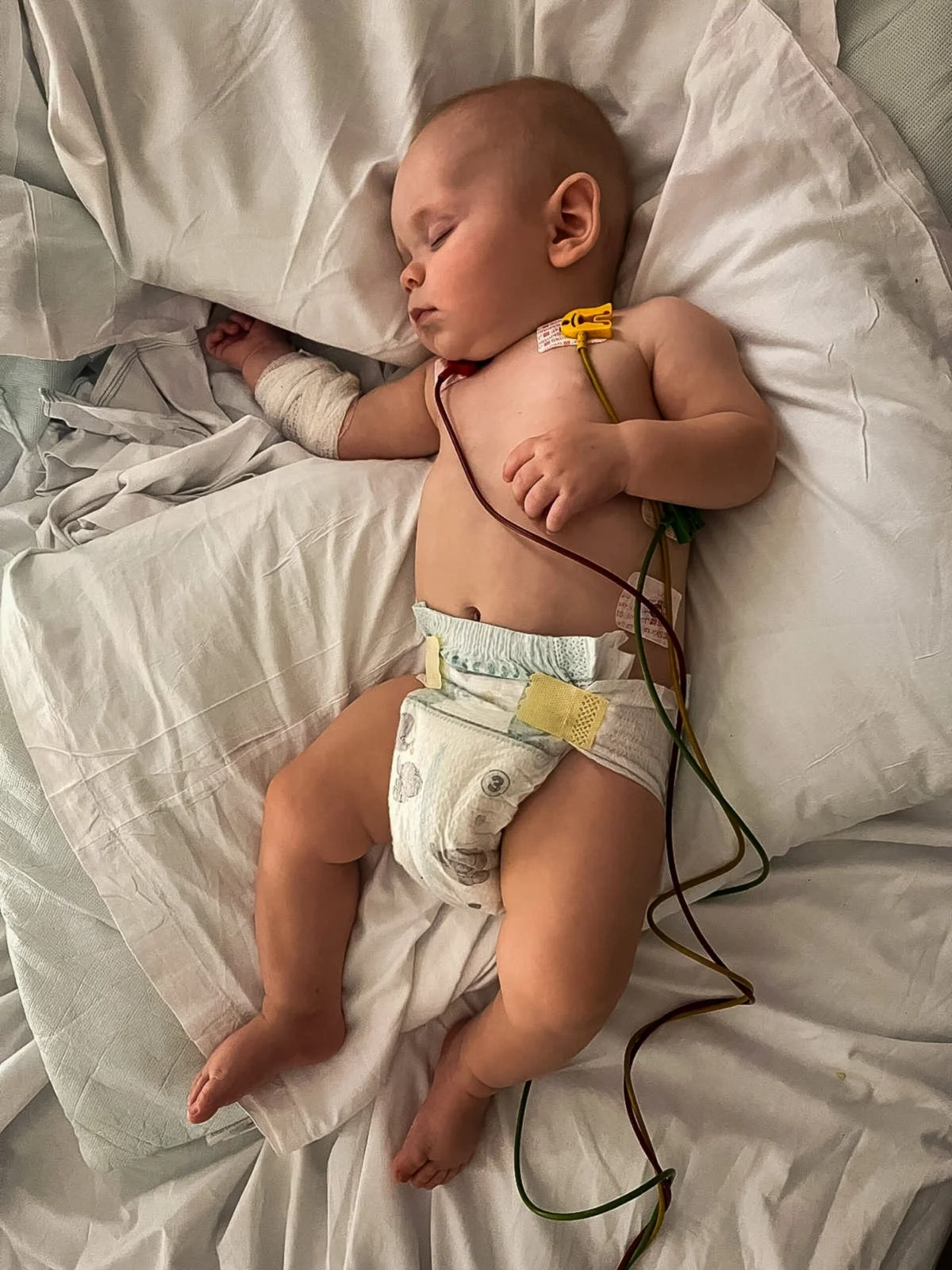
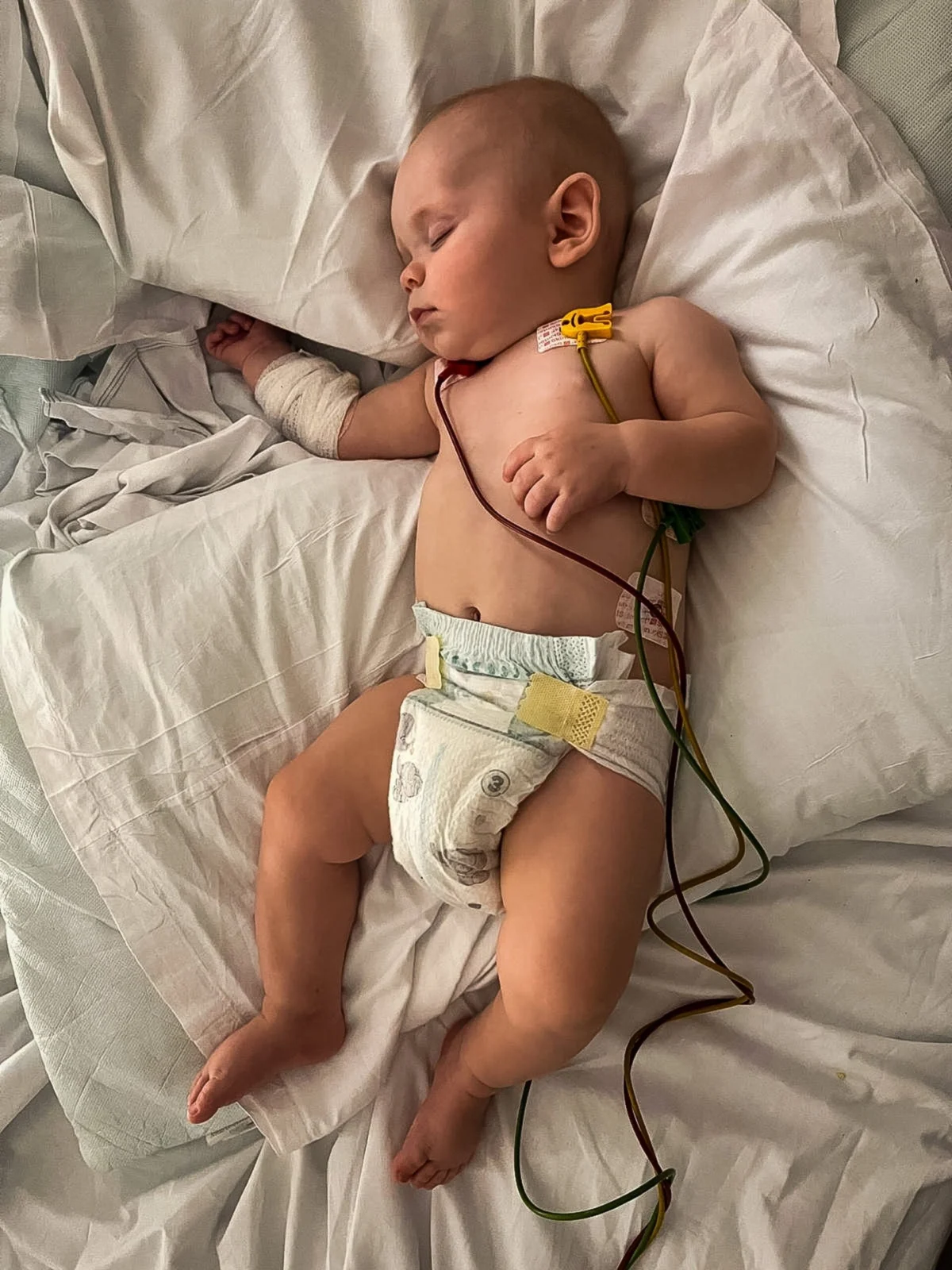
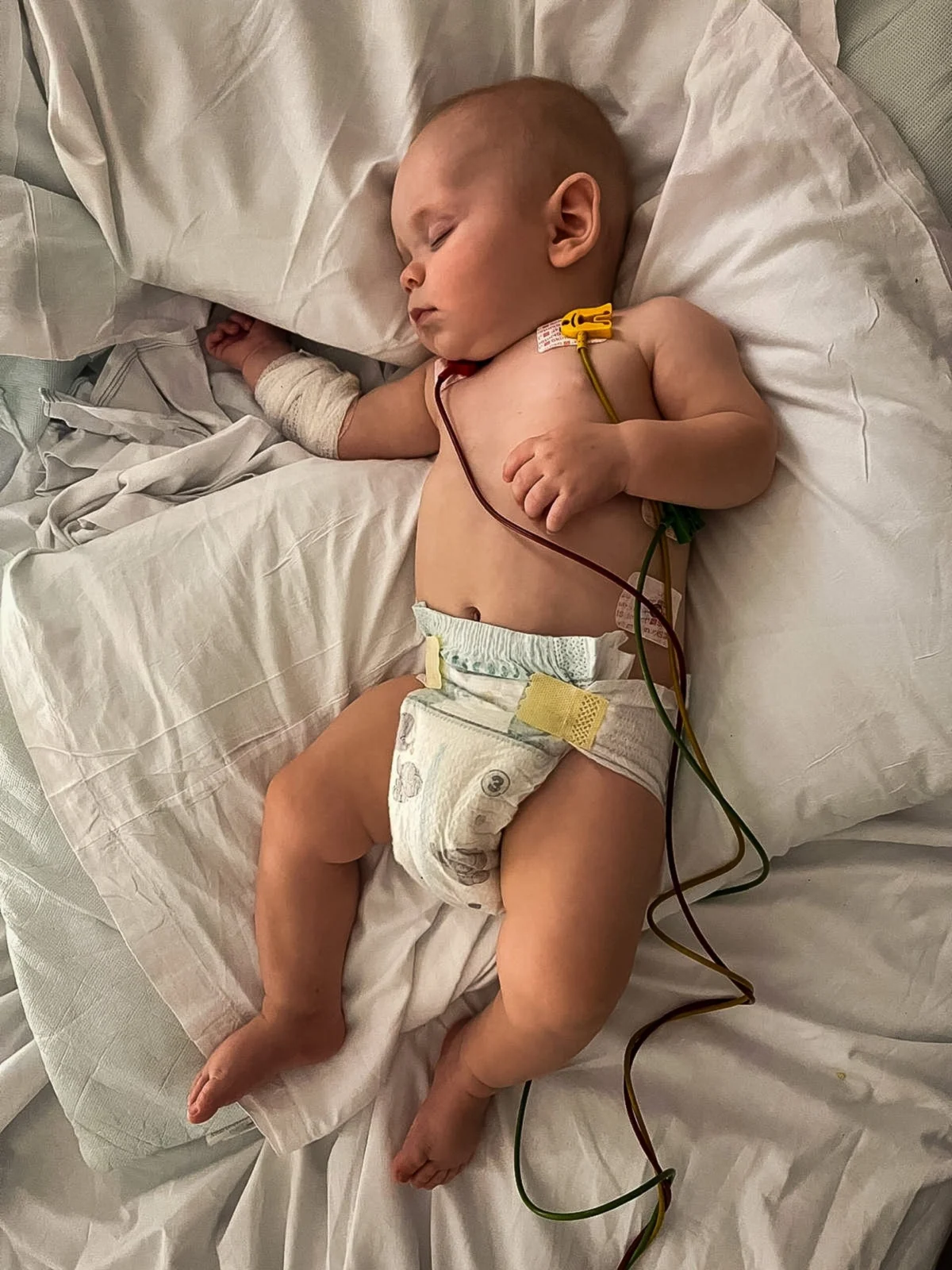
Vaccines are not the only vital preventative healthcare measure quietly slipping through the cracks for the nation’s youngest generation. Across hospitals and birthing centers in the United States, a growing number of parents are choosing to reject a routine medical treatment administered to newborns shortly after birth—a practice that has been firmly backed by more than 60 years of pediatric medical recommendations.
Now, medical researchers and neonatologists are issuing urgent warnings that this shift away from a decades-old standard of care is running parallel with a troubling and entirely preventable surge in potentially deadly bleeding episodes among infants.
In a sweeping new study published in the Journal of American Medicine (JAMA), researchers analyzed extensive electronic health records for 5.2 million babies born across the United States between 2017 and 2025, tracking their health trajectories through the critical first six months of life. The data revealed that 234,825 of those infants—roughly 4.5% of the total cohort—had no documented record of receiving a routine vitamin K injection during their newborn hospital stay.
This single injection plays an indispensable role in early infant health because babies are naturally born with very low levels of vitamin K, a nutrient that is essential for proper blood clotting. Furthermore, newborns do not typically receive significant amounts of vitamin K from their diets until they begin consuming solid foods, including leafy green vegetables, around six months of age.
This leaves a precarious and critical developmental window during which infants are uniquely vulnerable to vitamin K deficiency bleeding, often referred to as VKDB. While the condition is rare, it is potentially fatal and can cause spontaneous internal bleeding without warning.
Fortunately, a single, straightforward intramuscular vitamin K shot administered shortly after birth can effectively prevent the condition. Without the protection of this injection, however, the data shows that babies are a staggering 81 times more likely to develop VKDB compared to those who receive it.

The preventive shot has been universally recommended for all newborns since 1961 by the American Academy of Pediatrics, making it one of the most enduring and established preventative measures in modern neonatal medicine. The latest findings underscore just how consequential that recommendation remains in clinical practice.
According to the study, babies without a documented vitamin K shot experienced 288 bleeding events per 10,000 births during their first six months of life, compared with just 186 bleeding events per 10,000 births among infants who received the injection. Even after researchers rigorously adjusted the data to account for confounding factors such as gestational age, biological sex, maternal characteristics, and insurance status, the disparity remained stark. Infants who skipped the shot faced a 47% higher overall risk of bleeding.
The consequences of missing this preventive measure extend far beyond minor bruising. Medical experts note that the increased incidence of bleeding is particularly concentrated in some of the most sensitive parts of the body.
Dr. Kevin Dysart, senior study co-author and an attending neonatologist at the Children’s Hospital of Philadelphia, highlighted the gravity of these findings in a press release detailing the research. The difference was described as particularly concerning when examining bleeding in or around the brain, a medical emergency that carries profound and life-threatening complications.
The study found that babies who did not receive vitamin K faced more than twice the risk of intracranial bleeding. Specifically, there were 33 cases of intracranial bleeding per 10,000 births among infants who skipped the shot, compared with just 13 cases per 10,000 births among those who received it. Additionally, death during the initial birth hospitalization among babies diagnosed with a bleeding event was found to be more common in infants without documented vitamin K administration.
Translating the data into individual clinical impact, the researchers estimated that for every 114 newborns who skip the shot, there will be one additional bleeding event during the first six months of life that could have otherwise been prevented.
Dr. Kristan Scott, the study’s lead author, emphasized the consistency and clarity of the data. While the overall risk of bleeding showed minor variations across different demographic groups during the course of the study period, the excess risk among infants without vitamin K was striking and persisted across every single year evaluated by the research team.

Scott noted that the findings strongly reinforce longstanding medical guidelines advising that newborns receive the one-time intramuscular injection shortly after birth, while also underscoring an urgent need to better understand the socioeconomic and psychological factors driving the declining adoption rates.
The growing reluctance among some parents to accept the vitamin K shot for their newborns is occurring against a broader backdrop of increasing skepticism toward public health recommendations, a cultural trend that has accelerated noticeably since the COVID-19 pandemic. Pediatricians report spending significantly more time addressing parental anxieties that extend beyond standard childhood immunizations to include even basic nutritional supplements given at birth.
Medical professionals stress that there is a fundamental distinction between vaccines and the vitamin K prophylaxis, though confusion often clouds parental decision-making in the delivery room. Pediatricians frequently encounter families who mistakenly categorize the injection as a vaccine rather than what it actually is: a concentrated dose of a naturally occurring nutrient that the human body requires for survival but cannot initially produce or store in adequate quantities.
The clinical reality of vitamin K deficiency bleeding is severe and swift. The condition can manifest as severe internal hemorrhaging in the brain or the gastrointestinal tract, unexplained bruising, persistent vomiting of blood, blood in the stool, and sudden seizures. In the most devastating scenarios, the internal bleeding leads to permanent neurological damage or death.
Medical data indicates that approximately 1 in 5 infants who develop full-blown vitamin K deficiency bleeding do not survive. Among the babies who manage to survive the acute crisis, roughly 40% are left with long-term neurological impairments, ranging from chronic seizure disorders to physical paralysis.
Perhaps most alarming to healthcare providers is the insidious nature of the condition. In the vast majority of cases, affected babies display no outward warning signs or symptoms before the catastrophic internal bleeding suddenly begins, leaving very little time for medical intervention once a crisis is underway.