 11
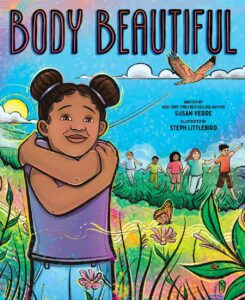
In an era where children are increasingly exposed to narrow, unrealistic beauty standards through media and everyday interactions, authors and illustrators are responding with a wave of literature designed to foster self-acceptance, body positivity, and inclusivity. Inspired by Susan Verde and Steph Littlebird’s newly released picture book Body Beautiful, educators and parents are highlighting a robust collection of stories that encourage young readers to view their bodies with appreciation, empathy, and pride.
The newly compiled reading list spans various age groups—from toddlers to middle-grade readers—and addresses critical topics such as body diversity, disability justice, self-compassion, and cultural representation.
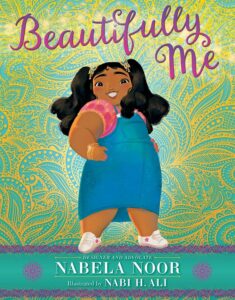
For Zubi, a young girl experiencing her first day of school, the morning begins with excitement as she gets dressed. However, that excitement is quickly dampened when she overhears negative self-talk from her family members: her Amma commenting on a big tummy, her big sister expressing a desire to lose weight, and her Baba worrying about gaining weight. Later at school, a classmate remarks that they look fat in their dress, transforming Zubi’s celebratory milestone into a distressing experience.
Upon returning home, a disheartened Zubi decides to go on a diet, shocking her family and prompting them to recognize the harmful impact of their own internalized body criticism. Apologizing to Zubi, they remind her that her name means loving and understanding. Armed with this reassurance, Zubi sets out to make the world more beautiful, heading into her second day of school with renewed optimism. This picture book is recommended for ages 2 and up.
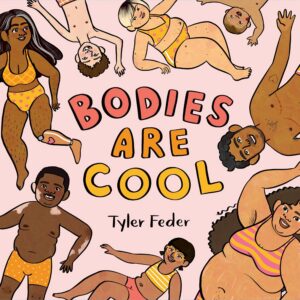
Emphasizing that all physical forms are inherently wonderful, Tyler Feder’s Bodies Are Cool offers an inclusive, body-positive narrative that encompasses every type of body. Designed as an enthusiastic read-aloud, the book invites young children and adults alike to chant and celebrate human diversity together. It is tailored for picture book readers ages 2 and up.
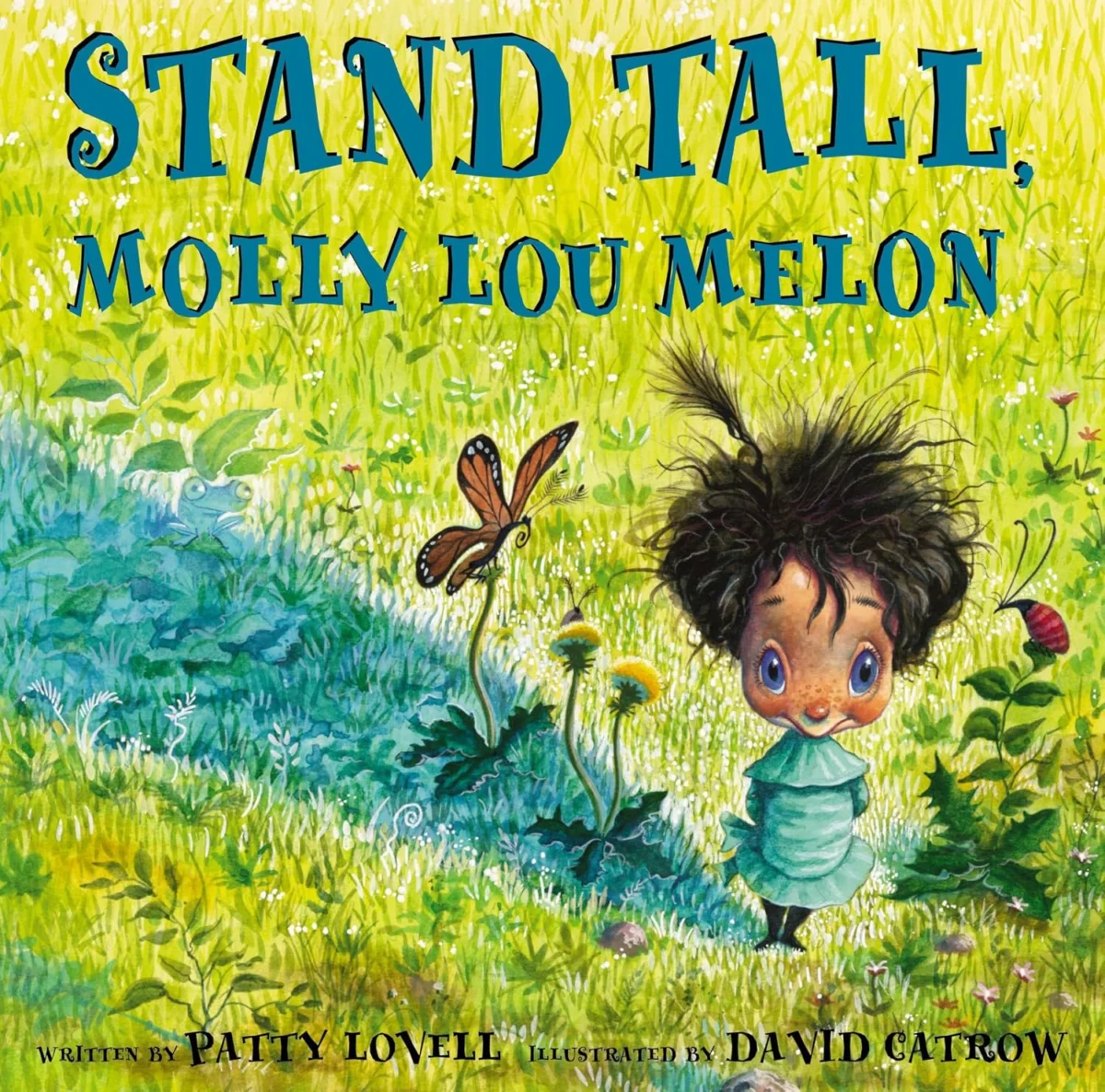
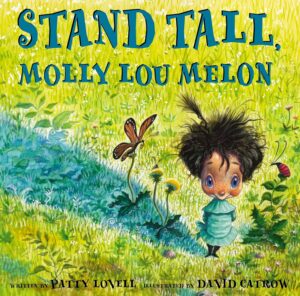
Grandma Melon’s foundational advice helps young Molly Lou Mellon navigate the world with unshakeable confidence. Even with her short stature, prominent buck teeth, and deep voice, Molly Lou learns to see her unique traits as strengths. When she moves away and faces a schoolyard bully, she relies on her grandmother’s lessons. Maintaining her smile, strong voice, and self-assurance, Molly Lou ultimately wins over her peers, including the child who tried to belittle her. This picture book is suitable for readers ages 2 and up.
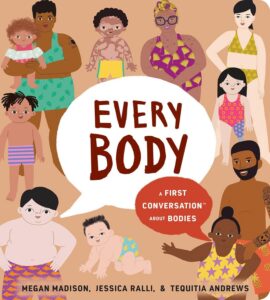
Taking a more serious and didactic approach, this title is crafted to initiate early conversations with preschoolers about complex topics. Authors Megan Madison and Jessica Ralli explore subjects including ableism, body diversity, disability justice, fatphobia, fat activism, and body affirmation. Recommended for ages 3 and up, it serves as a direct conversational tool for young families.
Serving as the primary inspiration for the broader reading list, Susan Verde and Steph Littlebird present an alternative framework for viewing the human body. Rather than measuring physical worth against conforming, unrealistic social media standards, the book encourages children to view their bodies as functional, expressive, wise, and deeply deserving of love. This picture book is recommended for ages 4 and up, and copies are currently being featured in a community giveaway initiative.
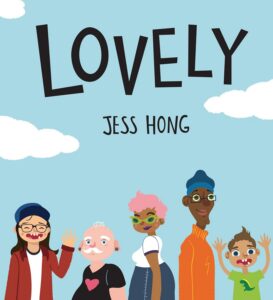
Utilizing a sparse, minimalist text paired with inclusive imagery, Jess Hong offers a wide and welcoming definition of what it means to be "lovely." The book embraces the idea that being different is both weird and wonderful, serving as a vibrant celebration of diversity and body positivity for readers ages 4 and up.
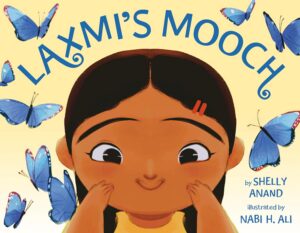
When Laxmi’s school friends notice her mustache hairs, she spends a difficult day feeling embarrassed and self-conscious. Upon returning home, her parents offer a reassuring, body-positive perspective, explaining that everyone carries hair on their bodies. Empowered by her family’s message, Laxmi returns to school the following day ready to share this acceptance with her classmates. The picture book is aimed at children ages 4 and up.
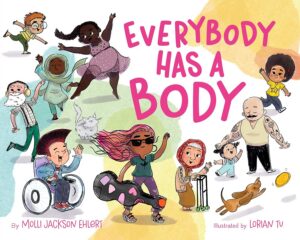
Focusing strictly on functionality, Molli Jackson Ehlert’s book underscores the idea that every body has a purpose—primarily to move us through the world. While individual bodies may look different from one another, they share common functions. The text encourages children to appreciate the physical body for its capabilities rather than its appearance, for readers ages 4 and up.
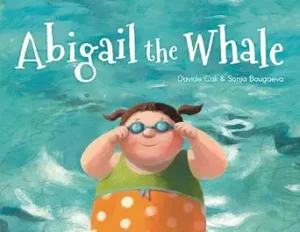
During swimming class, Abigail is labeled a "whale" by her peers because her dive creates a large splash. Believing she is too big to be a successful swimmer, she receives encouraging advice from her swim coach, who suggests she "think light"—like a fish or a bird. Discovering the power of creative reframing, Abigail learns she can adopt different mentalities to navigate various challenges, whether leaping like a kangaroo in gym class or imagining herself as a statue during a medical shot. The story promotes empathy, creativity, a growth mindset, and positive thinking for readers ages 5 and up.
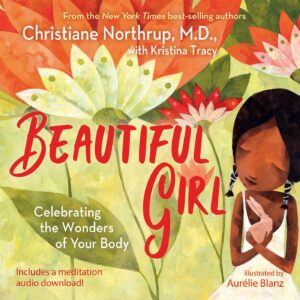
Positioned as an accessible introduction to body awareness for young girls, this book utilizes inspirational metaphors to help children process physical changes. Written with a medical perspective, it functions as an early, gentle approach to understanding bodily development, tailored for readers ages 5 and up.
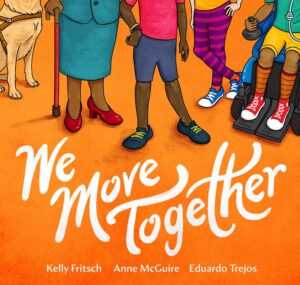
Addressing the principles of disability justice, Kelly Fritsch and Anne McGuire center their narrative on accessibility and ableism. Drawing on the foundational words of activists Aurora Levine Morales and Patty Berne, the book demonstrates how communities can ensure that all unique and essential bodies are included, with strengths and needs met so that no one is left behind. It is recommended for readers ages 6 and up.

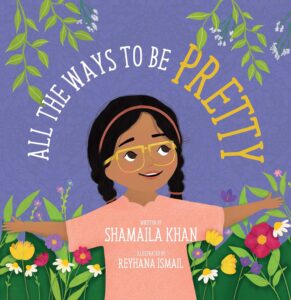
Authored to provide Muslim parents with a framework for discussing physical beauty with their daughters, Shamila Khan advocates for a broader definition of the concept. The book models how to value inner attributes—such as intelligence, wisdom, bravery, piousness, resiliency, and kindness—over external physical characteristics. The picture book is suitable for children ages 7 and up.
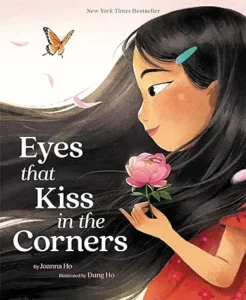
A young Taiwanese girl notices that her eyes differ from those of people around her, who possess large, round eyes and long lashes. Recognizing that her eyes mirror those of her mother, grandmother, and little sister—features that glow like warm tea and crinkle into crescent moons filled with family history—she draws strength from the powerful women in her life to discover self-love and empowerment. The picture book is recommended for ages 4 and up.
Set during a visit to Baachan’s house, this story follows a joyful family trip to a public bathhouse with aunts and cousins. After washing thoroughly before entering the communal bath, the women share a steamy, relaxing experience that celebrates bodies across generations—from newly sprouting and jiggly forms to cozy, creased, ancient bodies. Concluding with shaved ice and a walk home in traditional wooden geta sandals, the book celebrates Japanese culture and family bonds across oceans for readers ages 4 and up.
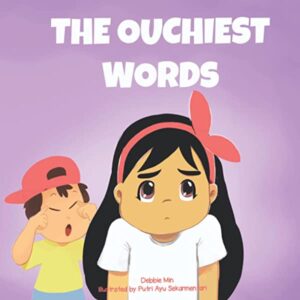
Nari faces targeted anti-Asian bullying from a classmate named Zach, who uses mean words and physically pulls back his eyelids into slants, causing Nari to dread going to school. Observing another student, Patty, refuse to let similar bullying affect her, Nari learns the value of positive self-talk and verbal resilience. The story serves as a tool for children navigating schoolyard bullying and encourages peer advocacy, suitable for readers ages 4 and up.

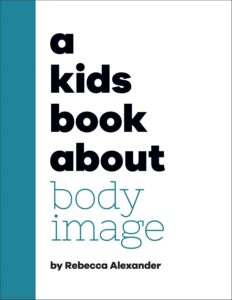
Authored by Rebecca Alexander, the founder of the public space accessibility platform AllGo, this nonillustrated picture book is designed for joint reading between adults and children. Alexander shares her personal experiences struggling with body image as a plus-size woman, addressing the pervasive pressures of media and advertising ideals. The central narrative champions self-acceptance, self-love, and body positivity for readers ages 5 and up.

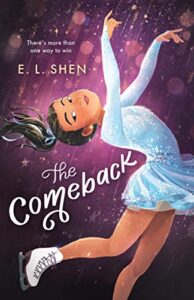
In the middle-grade sphere, E.L. Chen’s novel explores cultural background experiences and school environments. Protagonist Maxine resorts to using adhesive to alter her eyelids in an effort to avoid critical comments about her appearance, while also navigating the complexities of schoolwork, time management, and competitive figure skating alongside an older mentor. The novel, recommended for ages 8 and up, highlights institutional responses to peer harassment and the journey toward self-acceptance.