 11
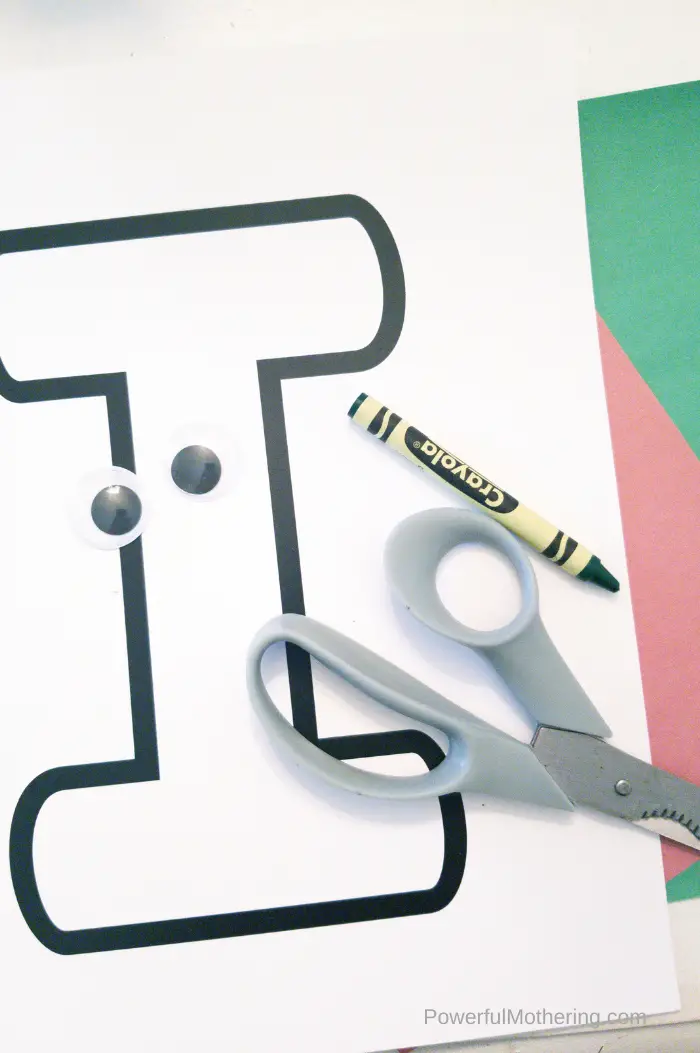
The project is structured to serve as an engaging addition to ongoing alphabet units. Beyond simply introducing children to the shape and sound of the letter I, the hands-on nature of the craft is intended to support the development of vital physical competencies. Educators note that early childhood activities involving physical manipulation of materials play a critical role in building the dexterity and hand strength that children will later rely upon for writing and other complex daily tasks.
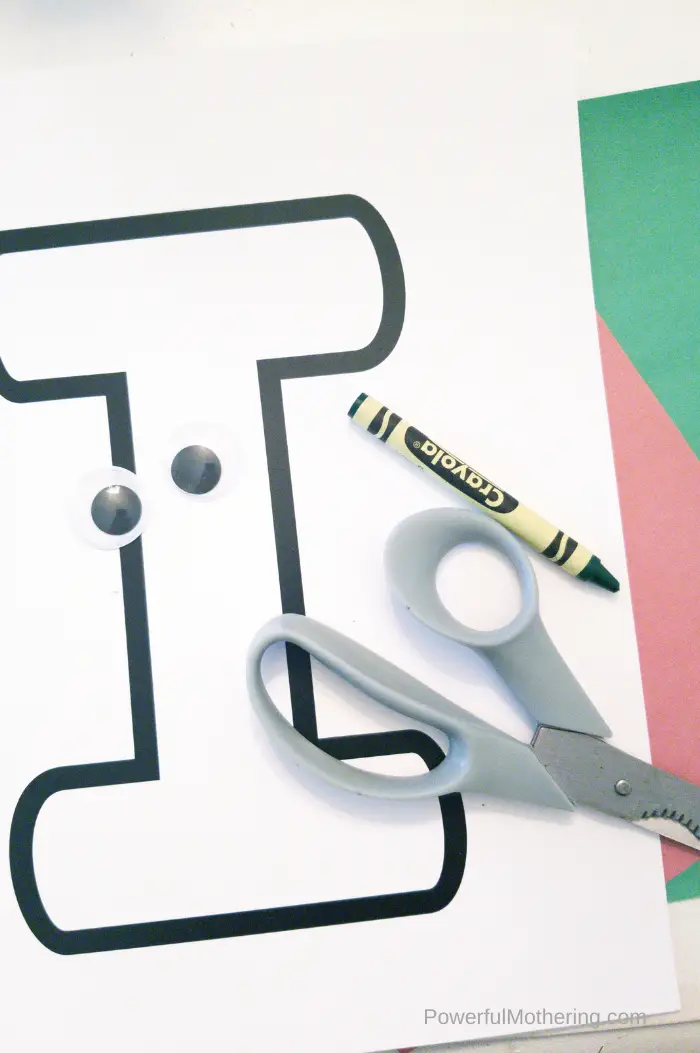
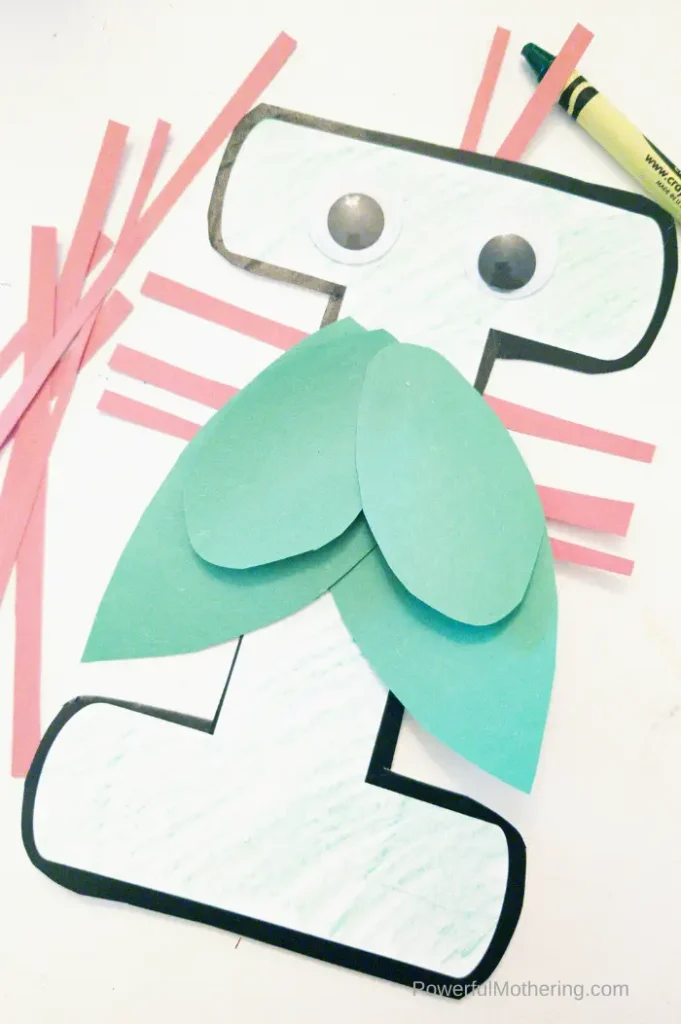
The creation process relies on accessible craft supplies, making it easy for teachers and parents to implement without requiring specialized equipment. While the creators provide a specific model for how the insect can be assembled, the framework encourages children to exercise their own imagination and creativity. Rather than following rigid design rules, young learners are invited to interpret the template in their own way, fostering an environment where artistic freedom and structural learning intersect naturally.
The educational benefits of the craft extend across multiple developmental domains. Chief among these is letter recognition, which is reinforced by linking the abstract visual shape of the letter I to a concrete, recognizable image of an insect. Cognitive development experts have long emphasized that forming visual associations helps children encode letters into their long-term memory more effectively than rote memorization alone.
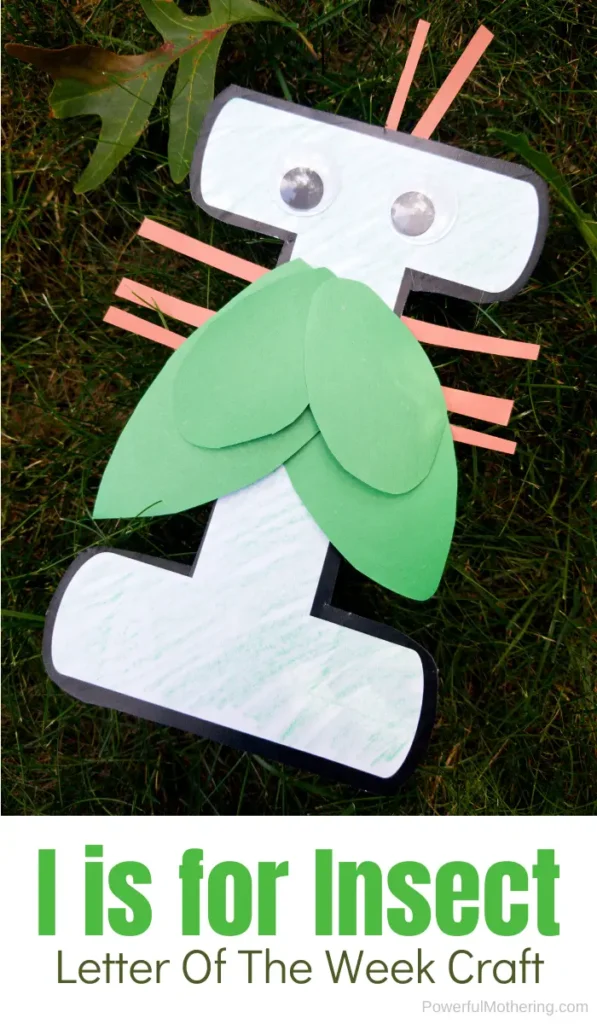
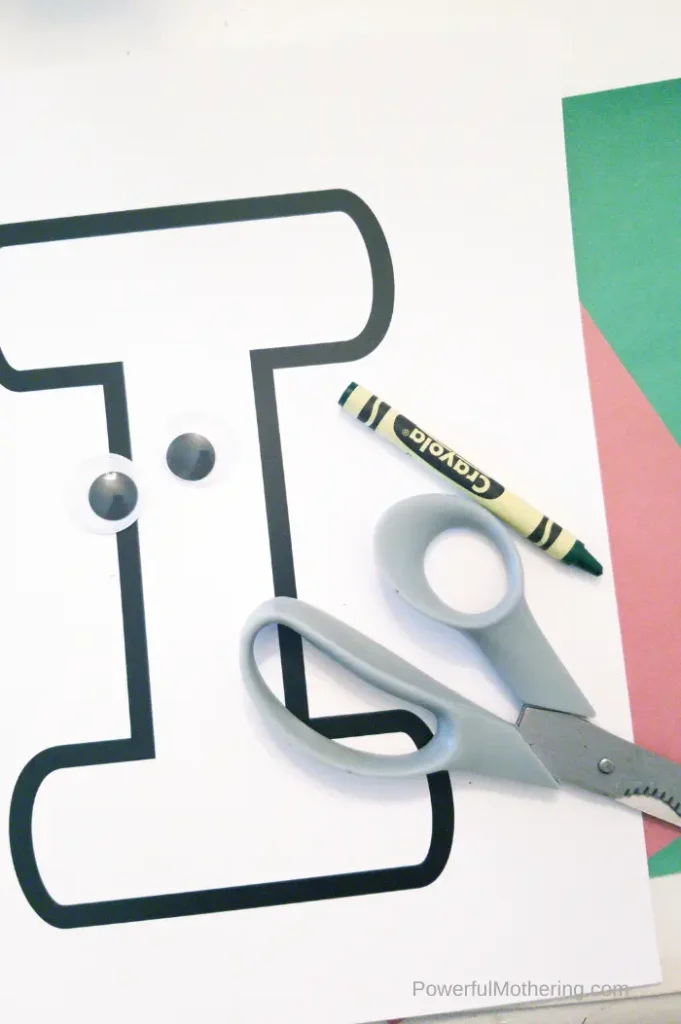
In addition to literacy skills, the activity places a strong emphasis on physical coordination. Cutting along the lines of the printed template provides essential practice for building scissor control and bilateral coordination. Meanwhile, the process of handling and placing small components, such as tiny legs and decorative eyes, requires high levels of focus and precise fine motor control from small fingers.
The project also offers a seamless transition into early science education. Because the craft involves attaching six legs to the insect body, it provides a natural springboard for discussions about biology and taxonomy. Teachers and parents can use the counting exercise as a starting point to talk about the defining characteristics of insects, introducing young children to basic scientific categorization in an accessible and memorable context.
To maximize the educational value of the project, educators suggest several ways to extend the learning experience beyond the craft table. These follow-up activities can help reinforce the concepts introduced during the crafting process, turning a simple art project into a broader exploration of the natural world and language arts.
Safety considerations are an important part of the activity, particularly for environments involving very young children. Organizers note that small components like googly eyes can present a choking hazard for children under the age of three. To ensure safety, adults are advised to supervise toddlers closely during the crafting process or to substitute the plastic pieces by simply drawing the eyes directly onto the template.
The free Letter I template and related resources are made available through educational platforms that offer a wide array of preschool printables and interactive activities designed to support early childhood development. As educators and parents continue to seek out dynamic tools for early learning, resources that combine literacy, art, and foundational science concepts remain a staple of modern early education curricula.