 111
 2
 3
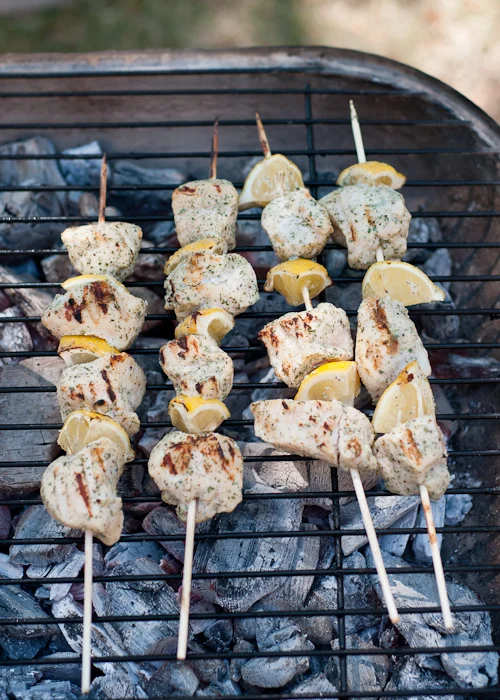
When it comes to the vast world of outdoor culinary traditions, grilling remains the undisputed champion. While the peak season traditionally stretches from the patriotic kickoff of Memorial Day to the final weekend celebrations of Labor Day, a dedicated community of backyard chefs maintains that grilling is a year-round art form. Beyond sparing the kitchen from summer heat and containing the inevitable mess outdoors, open-flame cooking imparts an incomparable flavor profile that elevates simple ingredients into extraordinary meals.

For home cooks looking to elevate their outdoor cooking repertoire, mastering the fundamental techniques is the first step toward transforming backyard barbecues into sophisticated dining experiences. The approach to grilling encompasses far more than simply throwing a steak over an open fire; it requires an understanding of equipment, heat management, food preparation, and timing.

The foundational debate in any backyard setup usually begins with the choice between gas and charcoal. Each method carries distinct advantages and trade-offs that influence the final product. Charcoal advocates praise the rich, smoky flavor that proves nearly impossible to replicate through other means, though the medium requires patience, demanding an additional twenty to thirty minutes of heating time and a more attentive approach to temperature regulation. Gas grills, by contrast, offer immediate ignition, cleaner operation, and precise temperature control through simple valve adjustments.

Regardless of the fuel source, achieving exceptional results relies less on owning high-end equipment laden with unnecessary gadgets and side burners, and more on refining technique through practice. Alongside the grill itself, maintaining a streamlined toolkit prevents kitchen clutter while ensuring safety and efficiency. Experts recommend prioritizing long-handled utensils to maintain a safe distance from intense radiant heat, keeping a sturdy wire-bristled grill brush, a reliable pair of tongs, and a wide spatula close at hand.

Proper maintenance of the cooking surface stands as a non-negotiable prerequisite for successful outdoor cooking. Starting with clean grates prevents food from sticking and eliminates unwanted residue from previous meals. While grates can be scoured while cool, many cooks find that cleaning them while hot—either during the initial preheating phase or immediately following a cooking session—makes the task significantly easier. For stubborn, burnt-on remnants, utilizing high heat to carbonize the residue or employing a tightly balled piece of aluminum foil held securely with tongs serves as an effective alternative to a wire brush. Once the grates are spotless and thoroughly heated, applying a light coat of vegetable oil using a paper towel creates a reliable non-stick barrier, avoiding the hazards of aerosol cooking sprays that frequently trigger dangerous flare-ups.

Moving from equipment preparation to the ingredients themselves, the versatility of the grill allows for an extraordinary range of foods to be cooked outdoors. While quick-cooking items like steaks, burgers, and delicate seafood thrive over high, direct heat, the grill can equally accommodate low-and-slow smoking methods for ribs, whole poultry, and vegetables using wood chips or soaked cedar planks.

Flavor enhancement begins long before food meets the fire. While minimalist purists argue that high-quality cuts require nothing more than coarse salt and freshly ground black pepper, marinades, rubs, and glazes offer powerful ways to build depth and character. Marinades rely on an acidic base such as citrus juice, vinegar, or wine, combined with oil, salt, and aromatics to tenderize and infuse flavors into leaner cuts of meat. Dry rubs, composed of spices, salt, and sugar, form an irresistible exterior crust when applied to proteins that cook quickly without the need for extensive softening. Meanwhile, wet rubs incorporate dairy, mustard, or sauces to achieve a similar effect.

Timing the application of these flavorings remains crucial. Marinades require adequate time—ranging from thirty minutes to several hours depending on the protein—though over-marinating seafood or incorporating active fruit enzymes like pineapple can ruin textures if left unchecked. Glazes, which frequently contain high amounts of sugar from sources like barbecue sauce or fruit preserves, must be applied strictly during the final minutes of cooking to prevent the sugars from scorching and turning bitter. Furthermore, ensuring that meats are patted dry before hitting the grates prevents steaming, allowing for a proper sear.

Understanding the dynamics of heat zones is essential for executing a successful menu. Direct heat, where food sits immediately over the energy source, suits items that cook in twenty minutes or less. Indirect heat, created by piling coals to one side or utilizing only select burners on a gas grill, provides the gentle, ambient environment required for larger cuts or bone-in meats that demand longer cooking times. Monitoring grill temperature can be accurately managed through the simple hand test: holding a palm roughly four inches above the grates and counting the seconds before the heat becomes intolerable provides a reliable gauge of the internal cooking environment, with ideal grilling temperatures generally hovering between 375 and 400 degrees Fahrenheit.

Precision in cooking times and temperatures separates amateur attempts from professional results. Foods like steaks benefit from a single turn halfway through the process to develop a deep, even crust, avoiding the mistake of constant flipping. Utilizing an instant-read meat thermometer removes the guesswork from determining doneness, ensuring poultry reaches safe internal temperatures while allowing beef and lamb to be pulled at the precise moment of desired rareness. Following removal from the heat source, resting meats for approximately ten to fifteen minutes allows internal juices to redistribute evenly throughout the cut.

Troubleshooting common backyard challenges ensures consistency. Flare-ups caused by dripping fats are best managed simply by closing the grill lid to starve the flames of oxygen, avoiding water sprays that scatter ash and create safety hazards. For delicate items like fish or vegetables that risk falling through the grates, utilizing a grill pan or a custom basket provides a practical solution.

To showcase the remarkable versatility of open-flame cooking, an entire meal can be executed seamlessly from start to finish on the grill. A cohesive menu highlights the breadth of outdoor techniques, beginning with an appetizer of grilled artisan bread brushed with olive oil, accompanied by a charred wheel of brie cheese and fresh figs warmed directly over the flames. For a vegetable course, whole leaves of Lacinato kale brushed with olive oil develop a smoky crispness on the grill before being torn and finished with coarse sea salt.

The centerpiece of the meal features a flat iron steak, marinated in a rich blend of garlic, balsamic vinegar, lemon juice, Dijon mustard, Worcestershire and soy sauces, and herbs, grilled to a medium-rare finish and sliced thinly across the grain. Alongside the steak, skewers threaded with cubed zucchini, bell peppers, onions, and cherry tomatoes offer a vibrant, smoky accompaniment. The culinary journey concludes with dessert, utilizing the residual heat to caramelize halved peaches and toast slices of pound cake, served warm alongside premium ice cream.