 111
 2
 3
Reminiscing about the defining milestones of youth often brings back distinct memories, from the architecture of old school hallways to the specific celebrations that marked the transition from childhood to adolescence. For many, that nostalgia is anchored in the traditional eighth-grade promotion party—an end-of-era celebration that encapsulates three intense years of academic and social navigation. These events, typically held on the final day of the academic calendar, often featured modest refreshments like snow cones, gymnasium dances, and an overwhelming amount of physical energy directed toward jumping up and down in celebration of finishing middle school.
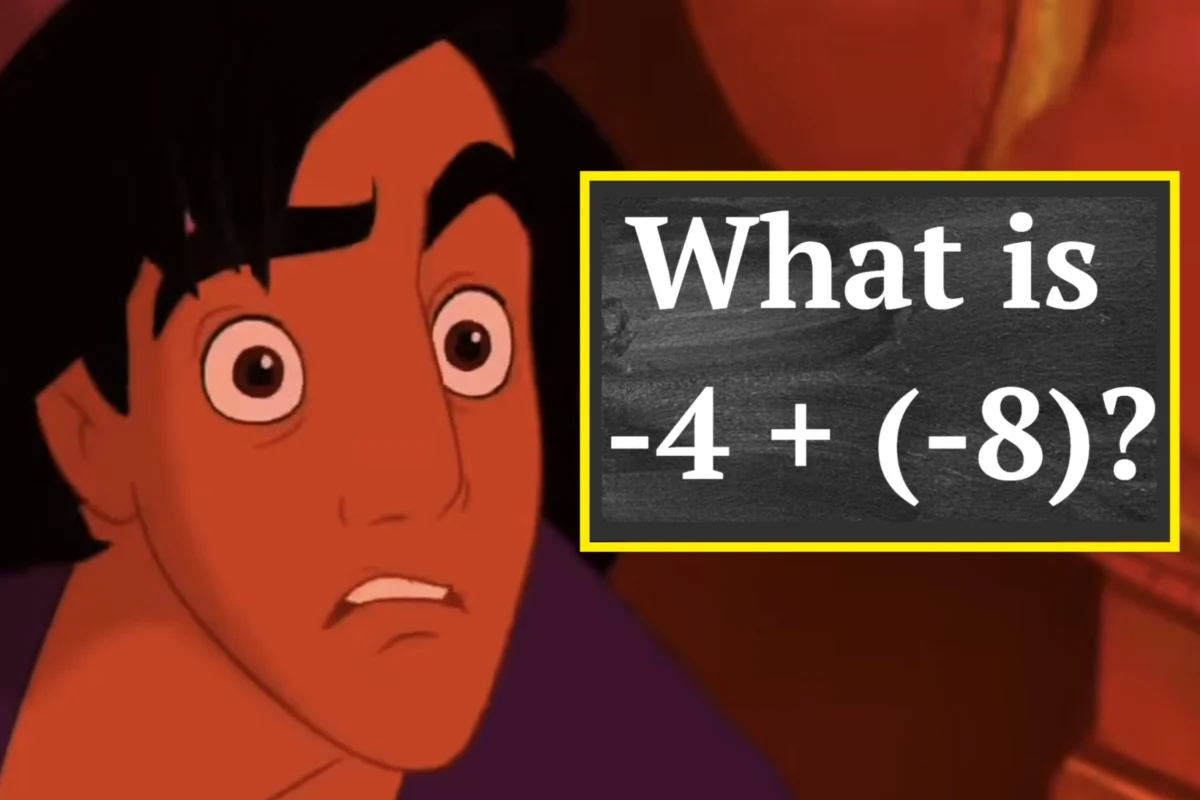
To honor the spirit of that era, a new cultural talking point has emerged, challenging adults to see if they still retain the foundational knowledge they supposedly mastered before entering high school. Proponents of the challenge suggest that while adults navigate complex professional landscapes, taxes, and mortgage payments daily, the basic academic facts taught between the sixth and eighth grades have a tendency to fade from active memory. The proposition is simple: if a participant can pass a curated middle school trivia quiz, they earn a metaphorical ticket back to the promotion party. If they fail, they are left to ponder whether they truly have what it takes to graduate from the eighth grade all over again.
The idea touches on a broader phenomenon regarding the retention of basic education. Educational researchers and trivia enthusiasts have long noted that specific subjects—ranging from foundational American history and basic earth science to pre-algebra and grammar rules—are heavily relied upon during formative years but can quickly atrophy when not applied in daily adult life. While adults may regularly utilize advanced vocabulary or specific professional skills, remembering the intricacies of cellular mitosis, the exact sequence of historical amendments, or the rules governing chemical bonding often takes a backseat to contemporary responsibilities.
This reality has turned basic middle school assessments into a popular method for testing cognitive retention and cultural literacy. When presented with questions that mirror standardized testing from the middle school curriculum, adults frequently overestimate their ability to sail through without hesitation. The gap between what is assumed to be permanent knowledge and what is actually retained highlights the unique nature of primary and secondary education curricula, which are designed to provide a broad, horizontal baseline of knowledge rather than specialized, lifelong expertise.
The concept of revisiting eighth-grade academics also serves as a lighthearted bridge across generations, allowing families, coworkers, and online communities to compare notes on how educational standards have shifted over time. Curricula across the United States have evolved significantly over the decades, incorporating new technological literacy, updated historical frameworks, and modified approaches to mathematics and science. Consequently, an adult taking a middle school quiz today is not only testing their own memory banks but also confronting a curriculum that may differ subtly from the one they encountered decades prior.
Ultimately, whether approached as a nostalgic trip down memory lane or a humbling test of intellectual agility, the middle school trivia challenge offers a unique lens through which to view lifelong learning. It invites individuals to step back from the complexities of modern adulthood and evaluate whether the building blocks of their formal education are still firmly in place. As participants line up to take the test, the central question remains whether they can reclaim the academic standing of their fourteen-year-old selves or whether the passage of time has permanently erased the fundamentals of the eighth grade.