 111
 2
 3

In an era dominated by the relentless glow of digital screens, algorithmic feeds, and an unending stream of distressing global news, a surprising demographic shift is taking place across the globe. Adults are increasingly shedding the rigid expectations of modern productivity and turning backward in time, rediscovering the unadulterated joys of their childhood pastimes.
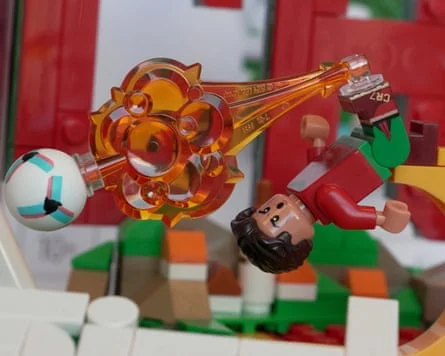
This cultural retreat into nostalgia is not merely a sentimental yearning for days gone by; it has evolved into a powerful economic force. The trend is perhaps most visibly embodied by the Danish toymaker Lego, which recently reported a staggering 21% increase in revenues, driven in large part by a growing army of adult enthusiasts who are buying bricks for themselves just as eagerly as they are for their children.
Yet, Lego is hardly the sole beneficiary of this nostalgic renaissance. From the upper branches of Hampshire woodlands to the embroidery hoops of Newcastle, from the equestrian rings of North Carolina to the miniature racetracks of Scotland and the fine art studios of Tokyo, grown-ups everywhere are seeking refuge in the hobbies that once defined their youth. For some, returning to these pastimes offers a vital, physical escape from the crushing pressures of contemporary adult life. For others, it provides a rare and grounding opportunity to reconnect with a younger, freer version of themselves before the obligations of work, bills, and digital connectivity took over.

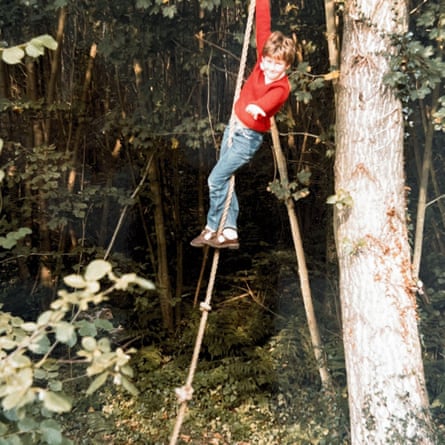
For Jimmy Young, a business director based in Hampshire, the return to childhood was quite literally elevated. As a boy, Young spent the vast majority of his time outside, far outstripping his television-watching hours by scaling trees and exploring local woods.
“I was relatively feral as a kid; my parents didn’t know where I was other than in the woods somewhere and most likely up a tree,” Young recalls. While he never truly lost his affinity for the pastime, the demands of a professional career and the steady creep of adult responsibilities pushed the activity into the background for many years.
It was only with the birth of his daughter that Young realized an organic pathway back to his roots. Watching her grow sparked the dormant urge, and he soon found himself back among the branches.

“I love the connection to nature and the disconnection from adult responsibilities,” Young says. “I love scaring myself and pushing myself out of my comfort zone.”
Observing the broader cultural landscape, Young notes that he is far from alone in seeking solace in the canopy. Over the past few years, he has witnessed a noticeable wave of other adults rediscovering tree climbing. In his view, the movement is a direct antidote to modern burnout. People are fundamentally craving a break from technology, an immersion in the natural world, and a chance to be genuinely present in a physical activity—often alongside their children. Above all, it represents a profound reconnection to a simpler time when a good afternoon meant finding the right branch and looking out over the world.
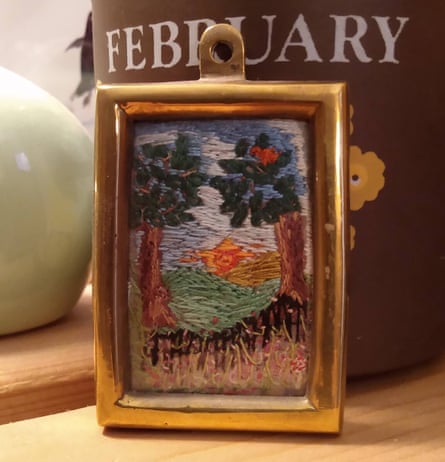
For Rachel Richman, a community artist living in Newcastle upon Tyne, the journey back to childhood creativity began with a deeply ingrained tactile obsession. Taught the intricacies of embroidery silks by her aunt at a young age, Richman quickly became consumed by handsewn miniatures. Her youthful dedication was fierce; long before she reached adulthood and even before she had mastered the French language, a young Richman famously took a train entirely by herself from London to Normandy simply to witness the historic Bayeux tapestry.
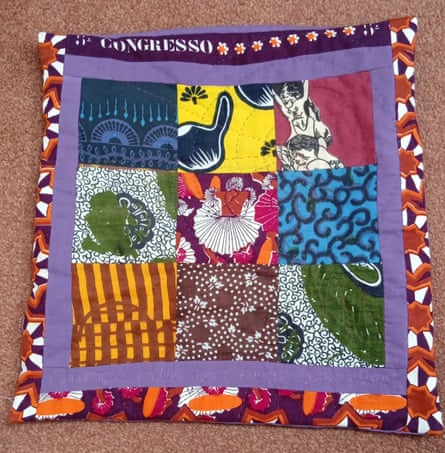
The turning point for her adult reconnection came later in life following the passing of her aunt, who left behind a treasured collection of African materials. Inspired by the legacy, Richman and her daughter-in-law learned how to quilt together, ultimately crafting a dozen memory cushions adorned with embroidered messages and political quotes. These personalized items were distributed among the female members of the family and her aunt’s close friends.
Today, that spark has fully reignited. Richman has embraced the freedom to create without constraints, happily embroidering anything on anything, transforming a childhood fascination into a sustaining artistic practice that bridges generations.
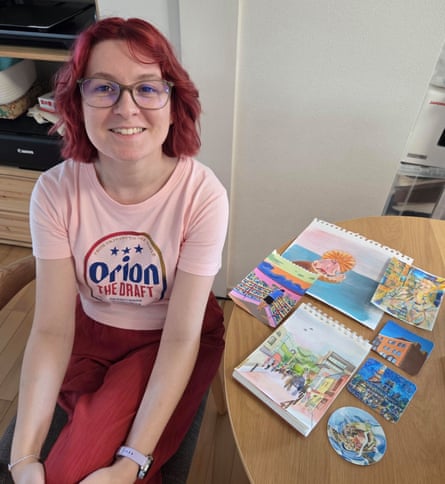
For Sarah, a video game tester living in Tokyo, stepping away from creative pursuits was a matter of circumstance and early setbacks. Having excelled at art during her secondary school years, she initially attempted to carve out a creative career path. However, after encountering a series of professional hurdles and disappointments, she reluctantly set fine art aside to navigate the practicalities of adult life.
Now, years later, she is rediscovering fine art purely as a hobby, stripped of all career expectations and external pressures.
“It feels as if I’ve slotted in a puzzle piece into my identity that was missing for a long time,” Sarah reflects. Though she still wrestles with the familiar hurdles of perfectionism and carving out precious hours amidst a demanding schedule in a bustling metropolis, her determination remains firm.
She views this personal renaissance as part of a wider generational reaction against the digital age. In an environment where social media algorithms constantly feed users an unrelenting stream of distressing news, the psychological toll is heavy. Adults, particularly younger generations and teens, are increasingly desperate for a comforting, tangible escape that allows them to quiet the noise and reclaim a sense of personal autonomy.
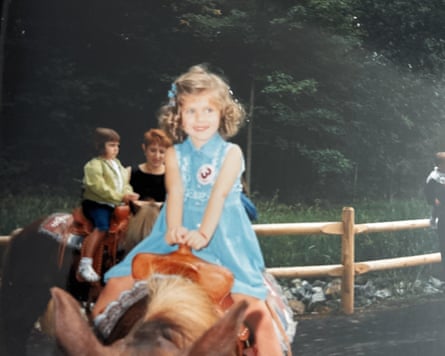
Sydney Bauer’s path to rediscovering her childhood passion involved overcoming both time and gravity. Growing up in New Jersey, Bauer had ridden horses enthusiastically as a child, but a severe fall prompted her to step away from the saddle. Though she always harbored a desire to return to the sport, the financial realities of equestrianism in her home state kept it out of reach.
The catalyst for change arrived during the COVID-19 pandemic. After she and her now-husband relocated to central New York, Bauer realized the opportunity had finally presented itself. She booked a single riding lesson and was instantly hooked. The progression was swift: within a month she was leasing a horse, and just six weeks after that, she was the proud owner of her own animal. Before long, she was entering local shows and placing—fulfilling a lifelong ambition she had nurtured since age three.
Now pursuing a PhD in art history, Bauer has brought her horse along through subsequent relocations. For her, riding serves as an indispensable anchor against the intense pressures of academic life.
“I think we’re all getting overstimulated by our screens,” Bauer observes. “At this point we’re almost too connected with everyone and everything online. We’re inundated with information and mostly negative news all the time. It’s natural to want to go back to hobbies or activities that remind us of when we felt safer.”
For Pete Harper, a small business owner based in East Lothian, Scotland, nostalgia took the form of four wheels and a radio transmitter. During his teens in the late 1990s, Harper shared a passion for motorsport with his father, spending weekends racing radio-controlled cars at a purpose-built track in Stonehaven, Aberdeenshire. The hobby offered both the thrill of competition and valuable bonding time with his dad. Eventually, however, work commitments forced his father overseas, and the gear was sold off.
Twenty-five years later, the flame was unexpectedly re-lit when a social media post appeared on Harper’s timeline advertising a newly opened club just across the Edinburgh city limits. Impulsively, he decided to attend a couple of meetings, using a spare club car to test the waters. To his surprise, the driving instincts of his youth had not faded. He promptly purchased his own car and dove back into the community.

“Work and family life can be hectic so it’s really great to have your own little thing on the side,” Harper says. Conscious of his limitations, he jokes about the realities of his childhood ambitions: “I was never going to be a real racing driver so this is a cute and low-cost way to live out that fantasy while also connecting with real people.”
In an age where competitive gaming has largely shifted online—often accompanied by toxic digital environments—Harper values the genuine, face-to-face camaraderie of the track, where participants cheer for each other’s successes and build authentic human connections.
For Bec, a teacher living on the Gold Coast of Australia, the journey back to Lego followed a gradual, modern trajectory. Having loved the iconic plastic bricks deeply as a child, her rediscovery began through popular media like the television show Lego Masters. When she eventually had a child of her own, she suddenly found both a socially acceptable gateway and an active excuse to play once more.
It did not take long for Bec to realize a liberating truth: as an adult with her own income, she could purchase Lego strictly for her own enjoyment. At a time when the demands of full-time work and parenthood had crowded out her active hobbies, the bricks offered an accommodating, flexible outlet.
“I wouldn’t say I’m particularly talented at it but it’s just fun for fun’s sake and that’s all I want in a hobby these days,” she reflects.
Reflecting on the broader cultural obsession with productivity and side hustles, Bec notes a prevailing anxiety that modern pastimes have been stripped of their pure enjoyment.

“It might just be a social media thing but I can’t help but feel like the fun has been sucked out of everything I used to like because I’m not talented enough and/or I can’t monetise it,” she says.
For her, clicking the bricks together has effectively replaced mindless phone scrolling, serving as a comforting digital detox. More than that, it has become a reliable mechanism for quiet introspection—a way to reach back across the decades and reconnect with the person she was before the digital world took over.