 11
Right out of the gate, the card launches with a substantial, limited-time welcome offer designed to instantly boost a frequent flyer account. Cardholders can secure a lucrative batch of bonus miles simply by meeting initial spending requirements, with an opportunity to earn an additional 10,000 bonus miles by adding an authorized user within the first three months of account opening. This dual-pronged earning opportunity paves the way for a massive initial haul of United MileagePlus miles.
Beyond the initial sign-up bonus, the Explorer Card distinguishes itself by packing hundreds of dollars in annual statement credits, a waived fee for a first checked bag, a pair of one-time United Club lounge passes each year, and a pivotal advantage that has changed the calculus of frequent flyer redemptions: a guaranteed discount of at least 10% on United award tickets, paired with heavily expanded saver-level award availability.
That final benefit has arguably transformed the airline’s co-branded portfolio from an optional wallet accessory into a near non-negotiable asset. For anyone hoping to squeeze maximum value out of their United MileagePlus miles in the current travel landscape, carrying a card like the Explorer has become increasingly essential.
Perhaps best of all, the United Explorer Card comes with a $0 introductory annual fee for the first year. This structure allows new applicants to take the product for a test drive, evaluating whether the perks, credits, and overall travel style align with their personal habits before committing to any long-term, out-of-pocket carrying costs.
The United Explorer Card strikes a balance between travel-enhancing perks and everyday utility. While its initial sign-up bonus captures the most attention, the underlying value proposition rests heavily on how travelers redeem their miles and utilize the card’s array of travel credits.
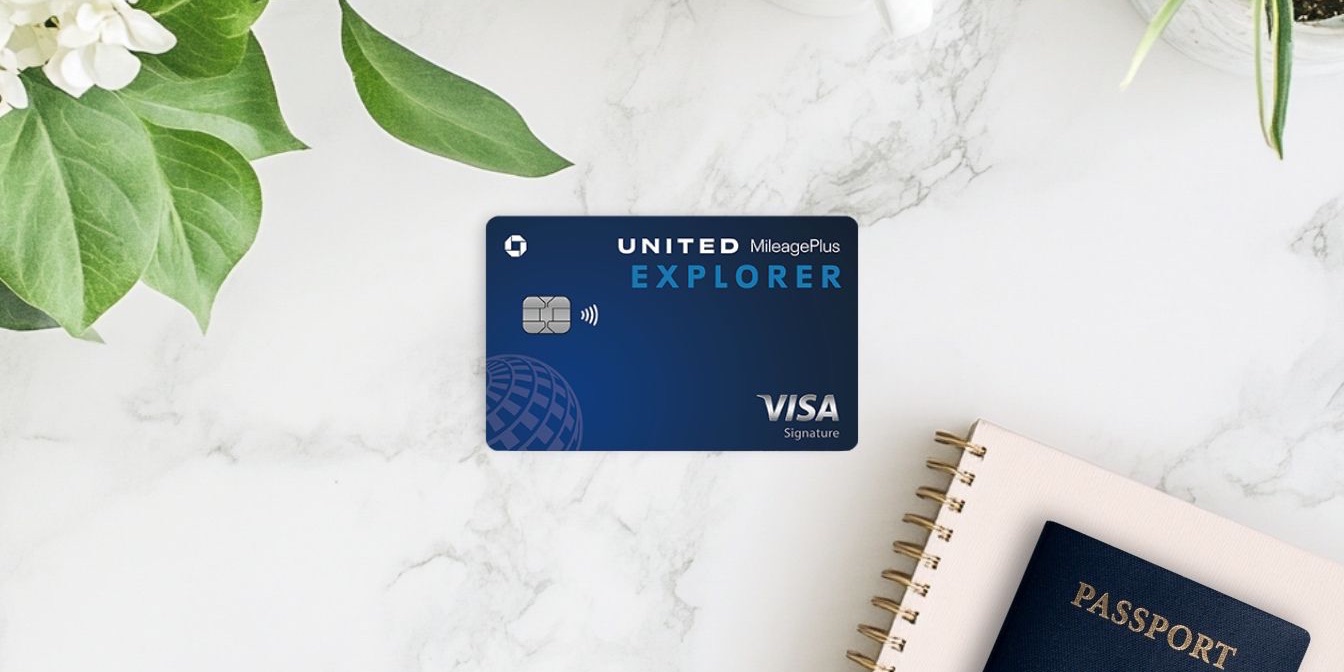
United’s recent strategy adjustments have placed co-branded cardholders at the forefront of the MileagePlus program. While the airline offers several tiers of credit cards, the Explorer tier captures the optimal intersection of cost and reward for the vast majority of consumers.
The current limited-time sign-up bonus serves as the primary hook for prospective cardholders. By meeting the standard introductory spending thresholds outlined by the issuer, new cardholders secure a significant block of United miles.
Adding to that initial influx, the promotion rewards accounts that integrate authorized users early in the lifecycle. By adding an authorized user within the first three months of account opening, cardholders unlock an extra 10,000 miles. Combined with the primary bonus, this promotional structure yields one of the highest overall mileage totals historically attached to the Explorer Card.
The card features a $0 introductory annual fee for the first year of cardmembership, shifting to $150 annually thereafter.
This structure provides a low-risk environment for prospective cardholders. During the first twelve months, users can leverage the sign-up bonus, award ticket discounts, free checked bags, and statement credits without incurring any fixed membership costs. Once the second year begins and the $150 fee takes effect, cardholders can typically offset the cost by strategically utilizing the card’s diverse ecosystem of statement credits and travel perks.
For cardholders who reach the end of their first year and decide that the $150 fee no longer fits their travel habits, an alternative remains available. Account holders can product-change down to the no-annual-fee United Gateway Card, preserving their credit history and account age while eliminating annual expenses entirely.

While the card excels at unlocking specialized perks, its everyday earning rates follow a familiar industry pattern. Cardholders earn a competitive rate on purchases made directly with United, along with smaller multipliers on dining and hotel stays.
Despite these earning categories, financial analysts and travel experts have long advised consumers against routing all daily spending through a single airline-specific credit card. The reasoning remains straightforward: alternative cards on the market earn flexible transferable points that can be moved directly to United, Delta, American, and various hotel loyalty programs at a moment’s notice.
The primary motivation for holding the United Explorer Card is not necessarily its everyday earning power on miscellaneous purchases, but rather the powerful roster of cardholder-exclusive benefits. Flexible rewards cards, such as the Chase Sapphire Preferred, often serve as superior choices for everyday spending, leaving the Explorer Card to be deployed primarily for United purchases and specific travel redemption scenarios.
The true financial justification for the United Explorer Card lies in the redemption phase. For travelers looking to maximize their MileagePlus miles without suffering from inflated redemption rates, holding a co-branded card is rapidly becoming a mandatory strategy.
Following a major overhaul of the MileagePlus program, all primary United cardholders now receive a minimum of 10% off award tickets on United-operated flights. For travelers who also hold United Premier elite status, that discount scales up to 15%. This means a standard 15,000-mile domestic economy award drops to 13,500 miles, while a 200,000-mile international business class seat falls to 180,000 miles, with elite status pushing those savings even further.
Beyond the percentage discounts, the most valuable perk associated with the Explorer Card is entirely invisible on monthly billing statements: access to an exclusive pool of cheaper saver-level award seats. Everyday flyers searching without a co-branded card are frequently locked out of this inventory, particularly when attempting to book premium cabins like United Polaris business class.
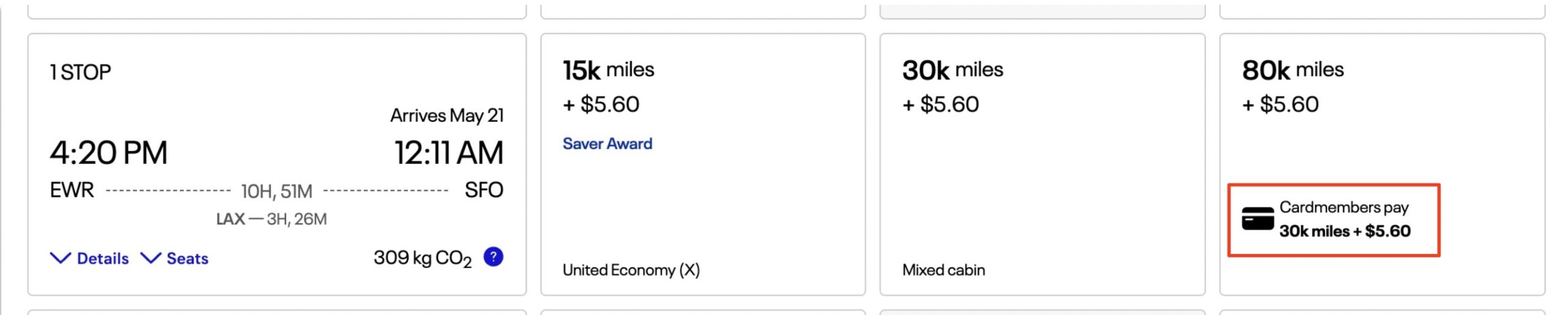
When searching for award flights while logged into a MileagePlus account linked to a United credit card, search results prominently display cardmember-exclusive pricing banners. These banners reflect significantly lower mileage rates than what is visible to the general public. For example, trans-Atlantic Polaris business class routes from major hubs like Chicago O’Hare to London Heathrow routinely price out significantly lower for cardholders than for non-cardholders. When combined with the stackable 10% cardmember discount, the total mileage savings can reach staggering levels on a single itinerary.
This gated inventory model explains why premium United cabins have become increasingly difficult to book through external Star Alliance partner programs like Air Canada Aeroplan or Avianca LifeMiles. United is actively preserving those high-demand seats for its own co-branded cardholders, solidifying the Explorer Card as a practical necessity for frequent flyers.
Like many contemporary travel credit cards, the United Explorer Card incorporates a variety of statement credits and partner offers. Maximizing every available credit can yield hundreds of dollars in annual value, effectively surpassing the card’s recurring annual fee several times over.
Among the options, credits tied to everyday services like rideshare apps and grocery delivery platforms offer some of the most frictionless value. Cardholders who routinely order groceries or utilize local transportation services can offset the annual fee with minimal lifestyle adjustments.
Other credits require a bit more intentional planning. Hotel credits tied to United’s dedicated booking portal require price-comparisons to ensure competitive rates, while car rental credits are typically issued as digital cash rather than standard statement credits. Regional travel partnerships, such as those involving specialized commuter carriers out West, offer niche value for travelers residing in specific geographic corridors.
Additional perks include trial subscriptions to major delivery and grocery services, providing temporary convenience before transitioning into discounted ongoing rates. Keeping track of these recurring calendar-based credits often requires external management tools to ensure no value is accidentally left on the table.

Beyond miles and credits, the Explorer Card features standard travel conveniences designed to ease the friction of commercial aviation.
Cardholders receive their first checked bag free on United-operated itineraries. Given rising baggage fee structures across the domestic airline industry, a single roundtrip journey for a couple checking bags can generate substantial savings, single-handedly neutralizing the cost of the annual fee. To qualify for this benefit, travelers generally need to purchase their tickets using the Explorer Card or apply the card to their reservation within a designated window.
Additional perks include two one-time passes to the United Club lounge network deposited into the cardholder’s account annually. While these passes do not grant unlimited lounge access, they offer a comfortable retreat during extended layovers or unexpected flight delays, though availability can occasionally be constrained by lounge capacity limitations.
Priority boarding privileges are also included, allowing cardholders to board ahead of general groups and secure necessary overhead bin space. Furthermore, the card includes robust travel and purchase protections backed by Chase, covering incidents such as trip delays, cancellations, and lost luggage, alongside the absence of foreign transaction fees.
The United Explorer Card makes the most sense for anyone who regularly redeems MileagePlus miles, whether accumulated through flying, sign-up bonuses, or transferred from flexible reward currencies like Chase Ultimate Rewards. The combination of a 10% award discount and access to exclusive saver-level inventory can preserve thousands of miles over the course of multiple trips.
For casual United flyers who live near or connect through primary airline hubs, the card represents a reliable value proposition. A couple of checked bag fees avoided each year is often enough to come out ahead financially.
Conversely, the card may not suit travelers who require unlimited, unrestricted lounge access or those actively pursuing high-tier airline elite status, as higher-tier cards in the portfolio cater more directly to those needs. For consumers who rarely fly United, a more flexible, non-airline-specific rewards card remains the superior choice.
Ultimately, the United Explorer Card has evolved from a supplementary travel tool into an essential asset for anyone deeply embedded in the United Airlines ecosystem. By balancing introductory bonuses, waived baggage fees, lounge passes, and exclusive award pricing, the card delivers robust utility for modern travelers.