 11
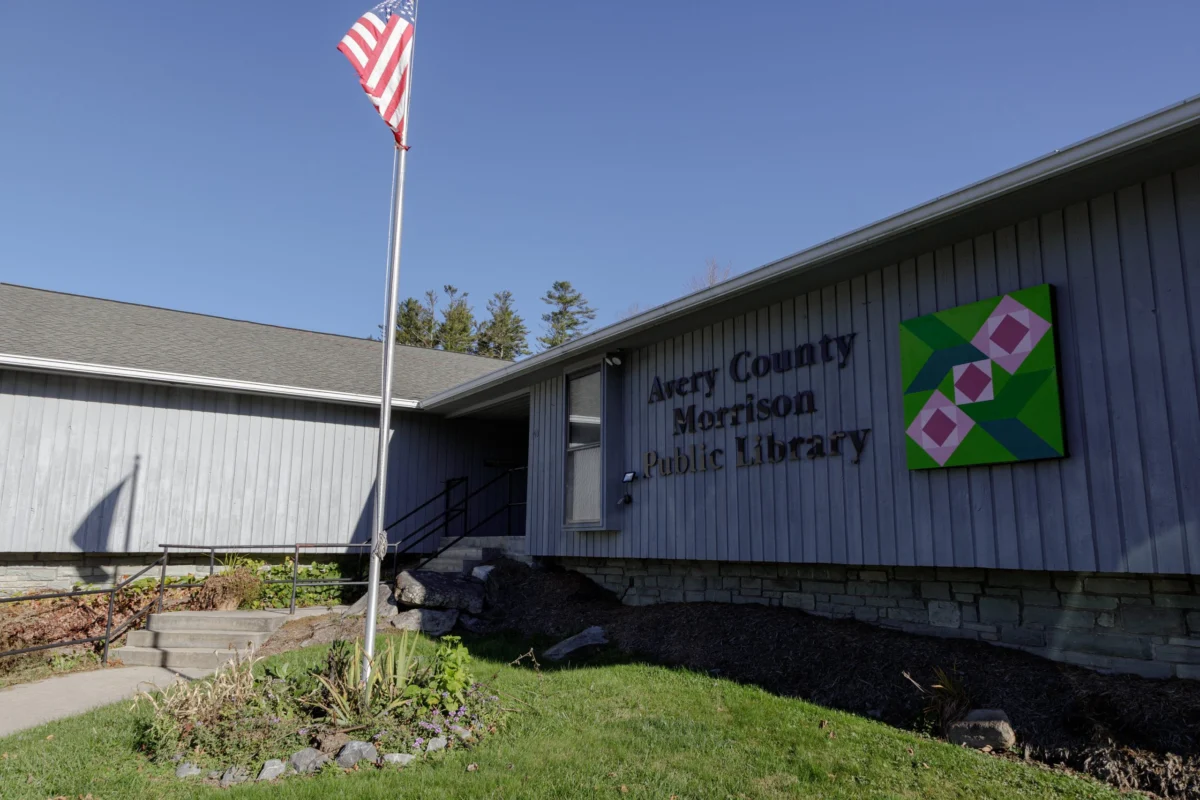
Eye-grabbing headlines about the "end of reading" are upon us, noting that fewer than half of American adults read a book of any kind in 2022. In an era dominated by short-form video, endless scrolling, and digital distraction, cultural commentators frequently sound the alarm over falling literacy rates and the waning habit of immersive reading.
Yet it is important to point out that while physical visits to public libraries have not yet fully rebounded to pre-pandemic levels, they are growing significantly. This resurgence is driven in large part by the fact that their program offerings are expanding far beyond traditional book lending. Adults and children across the United States made more than 800 million visits to a library in 2023, representing an average of 2.2 million visits per day and nearly double the number recorded in 2021. Today, there are over 17,000 public library locations scattered across the United States—surpassing the total number of hospitals or McDonald’s restaurants operating nationwide.
Ask most Americans what critical infrastructure looks like, and they will likely describe a bridge, a power grid, or a high-speed broadband cable. They probably will not mention the single-room library in Donnelly, Idaho, which supports families in a remote community with vital after-school care, or the more than 2,600 free summer events run by the District of Columbia Public Library System.
Yet that is precisely the kind of vital role public libraries fill every single day in communities across the country. If we want to ensure that modern families can access all the diverse resources and robust programming libraries offer, we need a better, more modern way to broadcast and distribute these essential services.
The recent surge in physical and digital visits is clear proof of a growing public reliance on libraries at the exact moment when federal, state, and local budget cuts are stripping away alternative community resources. From cradle to career and beyond, public libraries connect community members to critical early literacy programs, after-school enrichment, English language classes, professional workforce training, college and career counseling, broadband internet access, passport processing, notary services, and much more.
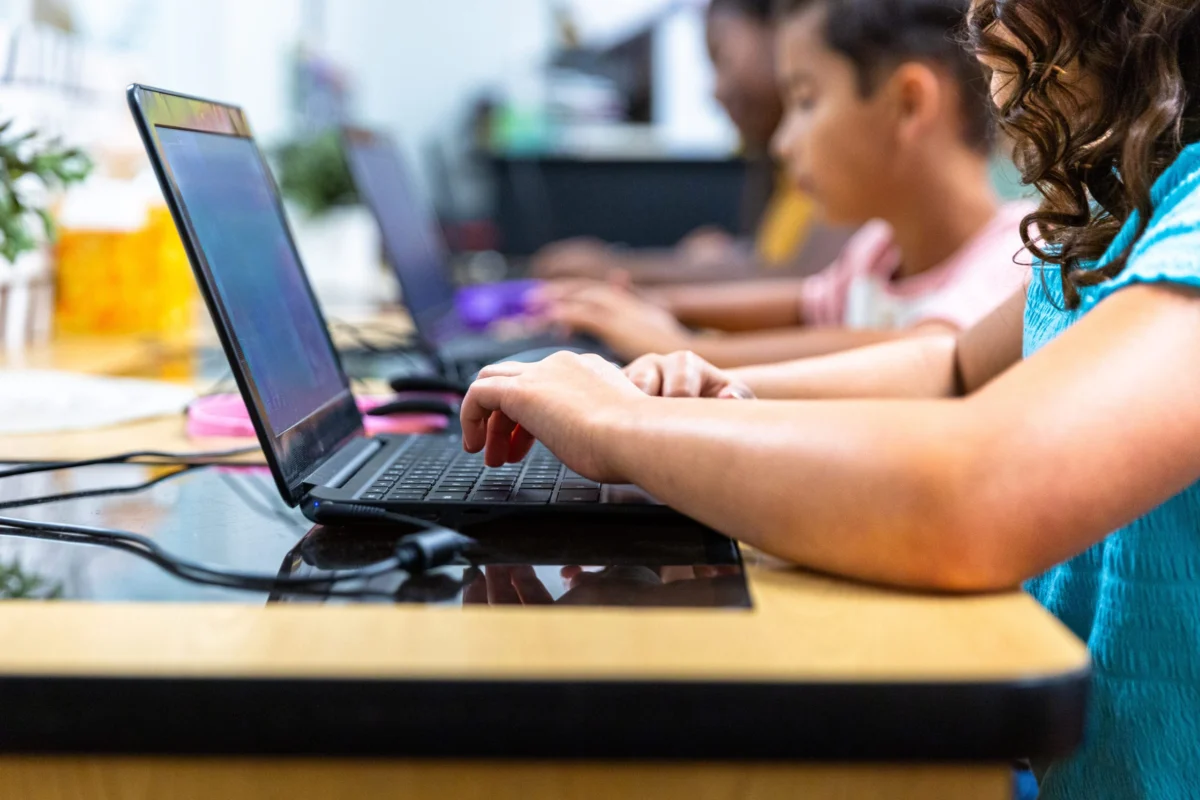
Walk into a typical public library on a Tuesday afternoon, and you might find a bustling "STEAM Team" session in which elementary schoolers are making fairy slime, middle schoolers are constructing intricate popsicle stick catapults, or high schoolers are recording and producing their own podcasts. Come back on a Saturday morning, and that same community room will be packed to capacity with toddlers and their caregivers participating in a music and sing-along program that pediatricians confirm provides the exact type of early language exposure that predicts future school readiness.
This is high-caliber programming that rivals—and often surpasses—what parents are shelling out hundreds of dollars for at private enrichment centers. And crucially, it is entirely free.
It is well past time that society treated public libraries like the critical community institutions they truly are. However, a persistent challenge remains: free services are not always easy to find.
Philanthropy has a historic role to play in bridging this gap, and the precedent is well over a century old. Industrialist Andrew Carnegie famously funded the construction of nearly 1,700 public libraries across the United States, operating on the foundational bet that broad, unfettered access to knowledge was the absolute backbone of a healthy democratic society.
That bet paid off remarkably. Today, modern philanthropy needs to double down on it.
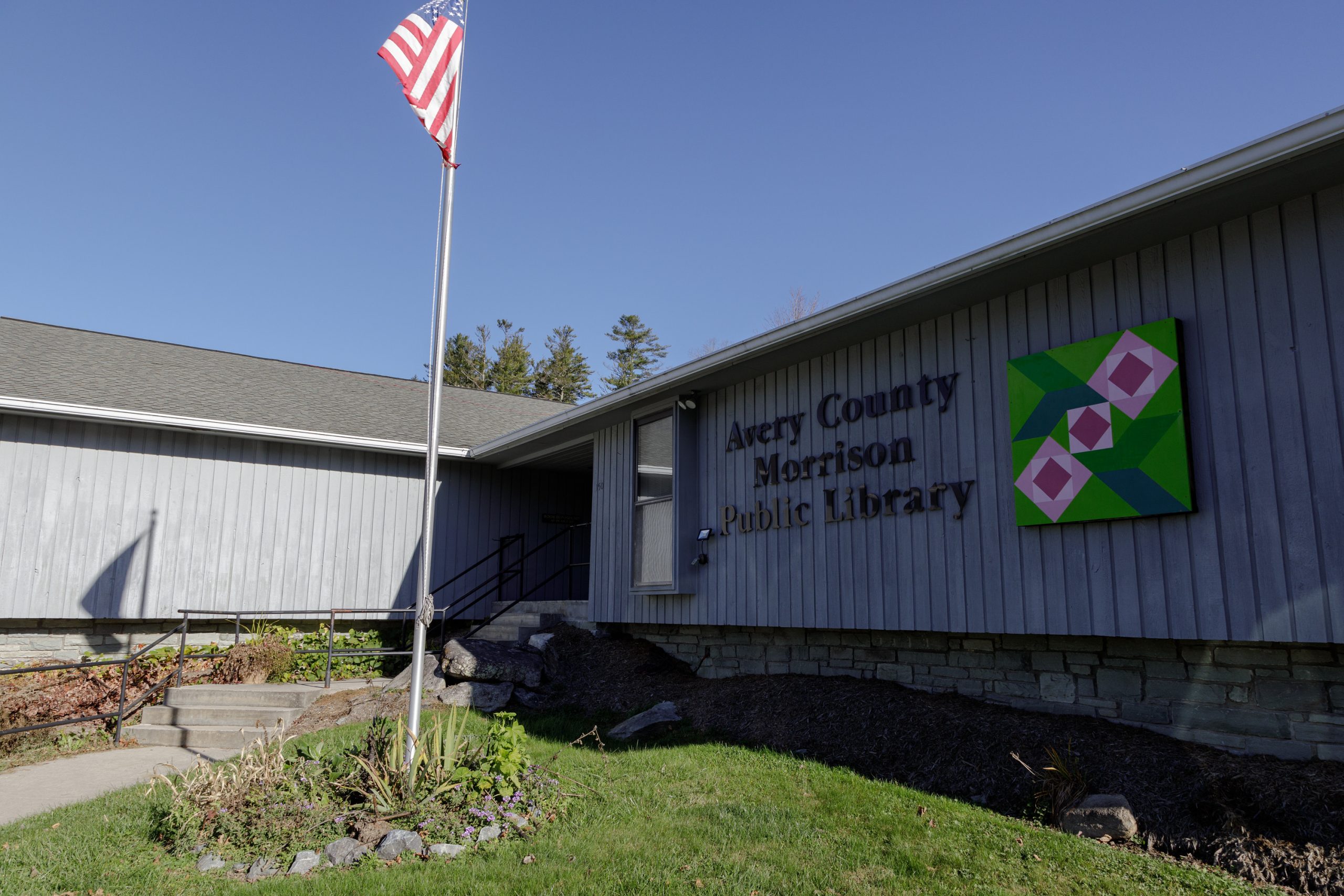
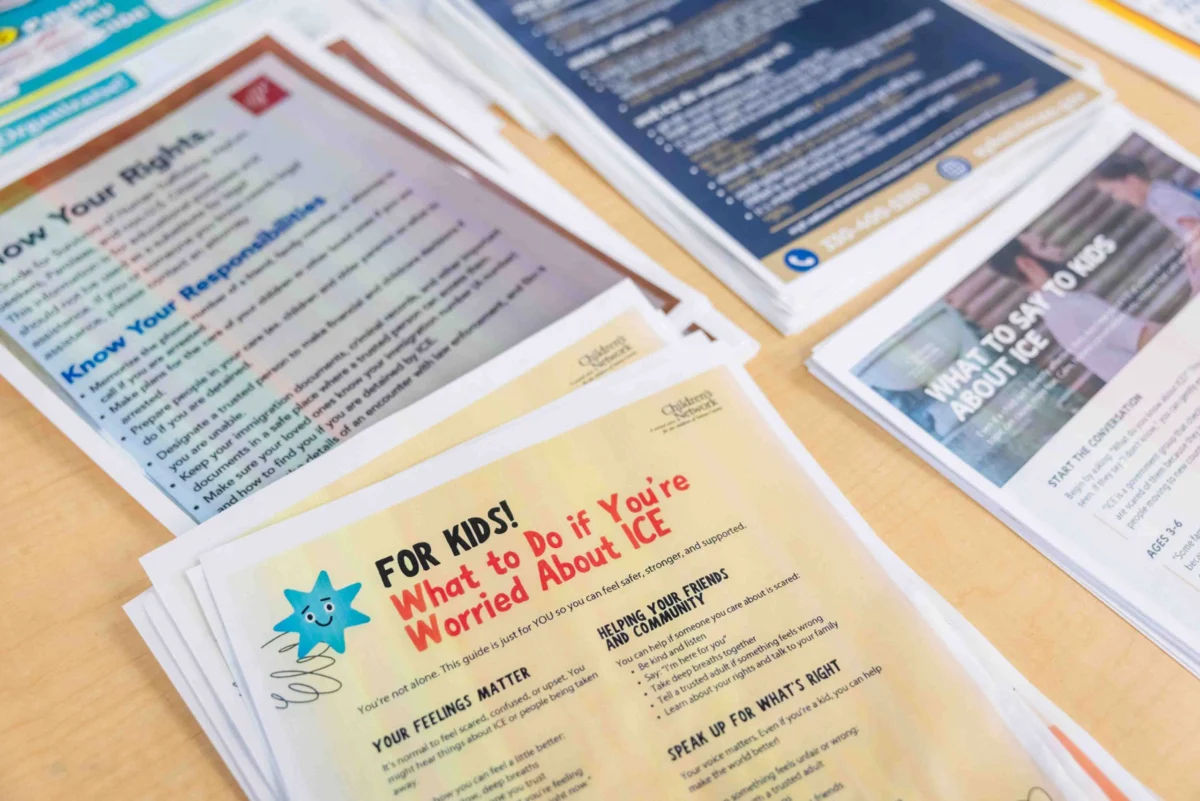
Contemporary research shows that parents actively look for educational resources and community support through internet searches, school district websites, and word of mouth. But while busy parents are searching online for phrases like "tutoring near me free," "college essay help," and "STEM camp for kids," many public libraries are still relying on traditional promotion methods—such as flyers posted on physical bulletin boards—that only reach people who are already walking through the library doors.
What is missing from the equation is the modern infrastructure that turns a library’s extensive offerings into something a working parent can actually find on their smartphone at 9 p.m. These resources need to be discoverable on the platforms families already use daily, integrated seamlessly with the schools and community organizations they already trust, and supported by the dedicated staff capacity and shared technology infrastructure required to keep information current.
Public funding rightly pays for physical library buildings, collections of materials, and baseline staff salaries. Philanthropy, meanwhile, can do something radically different: support innovation, test new approaches, build shared technology that can be utilized across thousands of independent libraries, and help successful models scale nationwide. This ensures that the services communities rely on remain visible, accessible, and responsive to rapidly changing local needs.
Libraries do not just need a single pilot program or a one-time digital makeover. They need sustained, long-term investment in the vital connections linking libraries to the broader public.
In practical terms, this means funding libraries so they can hire staff dedicated to reaching families online, building shared technological systems that small and rural libraries can utilize without needing their own dedicated tech teams, and partnering directly with the education websites and platforms that parents already frequent when looking for information.
Closing this persistent gap between extraordinary programs and actual public access does not require reinventing the wheel; it simply requires connecting what already exists to the places where families are already looking.
Surfacing public library programs alongside official school data should not be a heavy administrative lift. Local schools and community organizations can easily list library events alongside traditional after-school options, actively pointing parents toward free resources that many do not even know exist.
The stakes go far beyond mere access to enrichment programs. Across the country, Americans are losing faith in shared civic institutions, yet public libraries remain one of the few institutions that the public still deeply trusts—and one of the few civic spaces still successfully bridging the social divides that seem to deepen everywhere else.
Letting libraries drift into institutional invisibility while the families who most need them search fruitlessly online is not a choice society should make.
The physical buildings are already there. The educational programming is already extraordinary. Now, the pressing call to action for philanthropy is to strengthen one of America’s most trusted public institutions so every family can easily find, access, and benefit from the opportunities libraries already provide.