 111
 2
 3
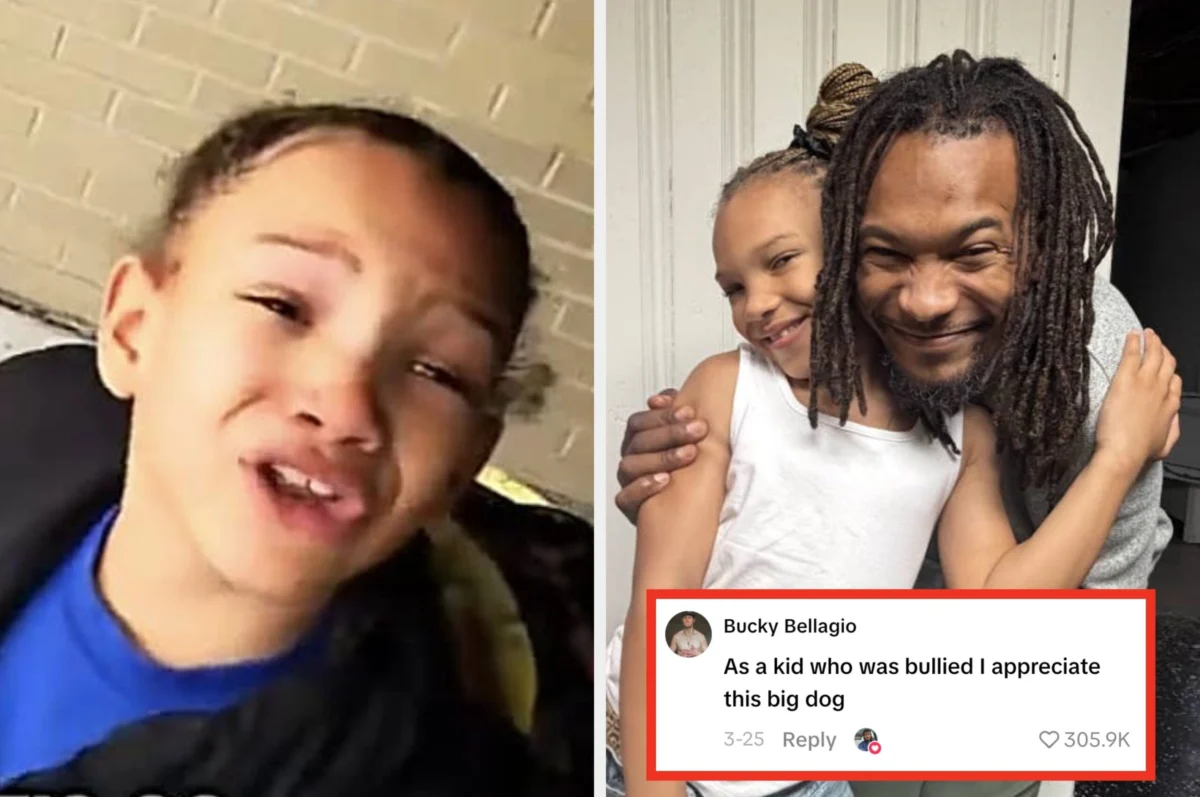
In the age of social media, digital platforms frequently serve as virtual town squares where parents share triumphs, struggles, and the nuanced realities of raising children. Earlier this year, a father named Korey stepped into that digital public square when he uploaded a behind-the-scenes look at how he handled a serious disciplinary crisis involving his second-grade daughter, Kensington. What began as an intimate family snapshot quickly resonated on a massive scale, racking up more than 54 million views on TikTok and continuing to circulate across multiple digital platforms months after its initial posting.
The viral video captures a raw moment of parental accountability, public discourse on modern childhood behavior, and the complexities of navigating behavioral issues in young children. Rather than shielding his daughter from consequences or dismissing the school’s concerns, Korey documented his journey of taking responsibility, seeking community guidance, and ultimately finding a constructive path forward for his family.
The widely viewed video opens with a tearful Kensington trying to make sense of the situation as she and her father leave her elementary school. Visibly distressed, the second-grader pleads with her dad, telling him that she did not do anything wrong and complaining that school officials failed to explain the exact nature of her infractions. As she continues to voice her confusion and frustration, Korey attempts to calm her down, offering reassuring words while emphasizing that it is time to leave the premises.
For context and transparency, Korey pauses the footage to share earlier recordings of his conversation with a school staff member, who outlined the alarming pattern of behavior Kensington had been displaying since the beginning of the school year. According to the staff member, Kensington’s behavior had initially been manageable; when corrected, she would typically adjust and fall back in line. However, the dynamics shifted drastically during the current semester.
The school official compared Kensington’s social conduct to the classic high school movie Mean Girls, noting that she had been walking around the school environment bullying peers, calling them names, and making derogatory remarks about their appearance, clothing, and even their parents or personal hygiene. The staff member detailed a specific escalation that occurred on the day Kensington was ultimately sent home. According to the report, Kensington had targeted a Hispanic classmate, stepping uncomfortably close to him and repeatedly making provocative political comments, specifically invoking former President Donald Trump.
In a voiceover recorded during the editing process, Korey reflected on his immediate internal reaction to the teacher’s report. He admitted that while he initially questioned how such sophisticated political rhetoric had entered his young daughter’s vocabulary, he trusted the school’s account of events. Recognizing that children often absorb influences from their surroundings, Korey expressed a profound realization regarding parental responsibility.
The staff member further detailed that the targeted boy eventually attempted to wave his hoodie to get Kensington to back away, accidentally making contact with her arm and neck. When school officials intervened in that incident, another student stepped forward, reporting that Kensington had been aggressively crowding him as well, dismissing warnings with an indifferent attitude. This second confrontation resulted in the boy pushing Kensington back, meaning two separate students had physical interactions with her that day.
Rather than becoming defensive or placing blame entirely on the school or the other children, Korey chose a path of deep self-reflection. He addressed the school staff calmly, acknowledging that he needed to take full responsibility for his daughter’s actions outside the home. Korey recognized that Kensington’s behavior was a reflection of her upbringing and that she needed a stern reminder that her actions at school carried weight and represented more than just herself.
Determined to address the severity of the bullying, Korey sought reinforcement from a trusted family figure—his own mother. Acknowledging with a touch of humor that he occasionally found himself acting too soft with his daughters, Korey took Kensington to his mother’s house to utilize what he affectionately referred to as the family’s "special sauce."
However, the disciplinary measure took an unexpected turn when Korey’s mother decided to take Kensington directly to a local police station. Korey noted that his mother had used a similar approach when he was a child. Walking through the police station, Kensington looked back at her father with a mix of fear and betrayal, silently questioning if he would really allow her to experience such an intimidating environment.
Inside the station, the officers and Korey’s mother spoke with the young girl about accountability, emphasizing that bad actions carry real-world consequences. At the same time, the responding police officers expressed a nuanced perspective, noting that they did not want young children to develop a paralyzing fear of law enforcement. Korey found himself agreeing with this sentiment, acknowledging the delicate balance modern parents must strike as they attempt to practice gentle parenting while still establishing firm boundaries and consequences.
At the conclusion of his initial video, Korey posed an open question to his growing audience, asking fellow parents for suggestions on how best to handle a daughter exhibiting bullying behaviors.
The response to Korey’s vulnerability was overwhelmingly massive, drawing over a million reactions and thousands of comments from viewers across the country. Initially, a significant portion of the audience praised the school administration for taking bullying seriously and implementing strict disciplinary measures rather than sweeping the behavior under the rug.
Furthermore, social media users deeply commended Korey for his refreshing approach to parenting. Rather than deflecting blame or attacking the school, he stepped up, took public accountability, and modeled constructive self-reflection for millions of viewers. Individuals who had experienced bullying during their own childhoods voiced strong support for Korey’s handling of the situation, noting that early intervention is critical to preventing toxic behavior from escalating.
Commenters also engaged in deep discussions regarding the origins of childhood bullying, noting that young children rarely invent such behaviors in a vacuum and often require explicit guidance to understand the emotional impact their actions have on others. Many users suggested that exposing Kensington to the genuine emotional toll of bullying would help foster empathy.
Speaking with BuzzFeed regarding the viral phenomenon, Korey emphasized that his primary motivation for sharing the experience online was to genuinely seek effective strategies to help his daughter course-correct. He stressed that bullying does not align with his family’s core values and highlighted the vital role that fathers, particularly within the Black community, play in guiding youth through active family collaboration.
While Korey admitted that the police station visit may not have been the ultimate solution, the outpouring of community advice provided him with valuable direction. The most impactful takeaways from the comment section centered on professional evaluation, behavioral therapy, and enrolling Kensington in structured extracurricular activities where she could express herself positively.
Since the initial video was posted, Korey reported that while Kenzie experienced a few minor behavioral hiccups, introducing structured changes yielded significant results. By enrolling her in cheerleading, Korey established a clear link between her behavior and her privileges; she understood that continuing to bully others meant forfeiting her spot on the cheer squad. Combined with ongoing therapy, these measures successfully transformed her behavior.
Reflecting on the entire journey, Korey hopes his experience serves as an encouraging resource for other parents navigating similar behavioral struggles. He maintains that children act as reflections of the environments and behaviors they are raised in, urging parents to look past immediate reactions, evaluate past influences, and cultivate healthier, more open means of communication with their youth.