 11
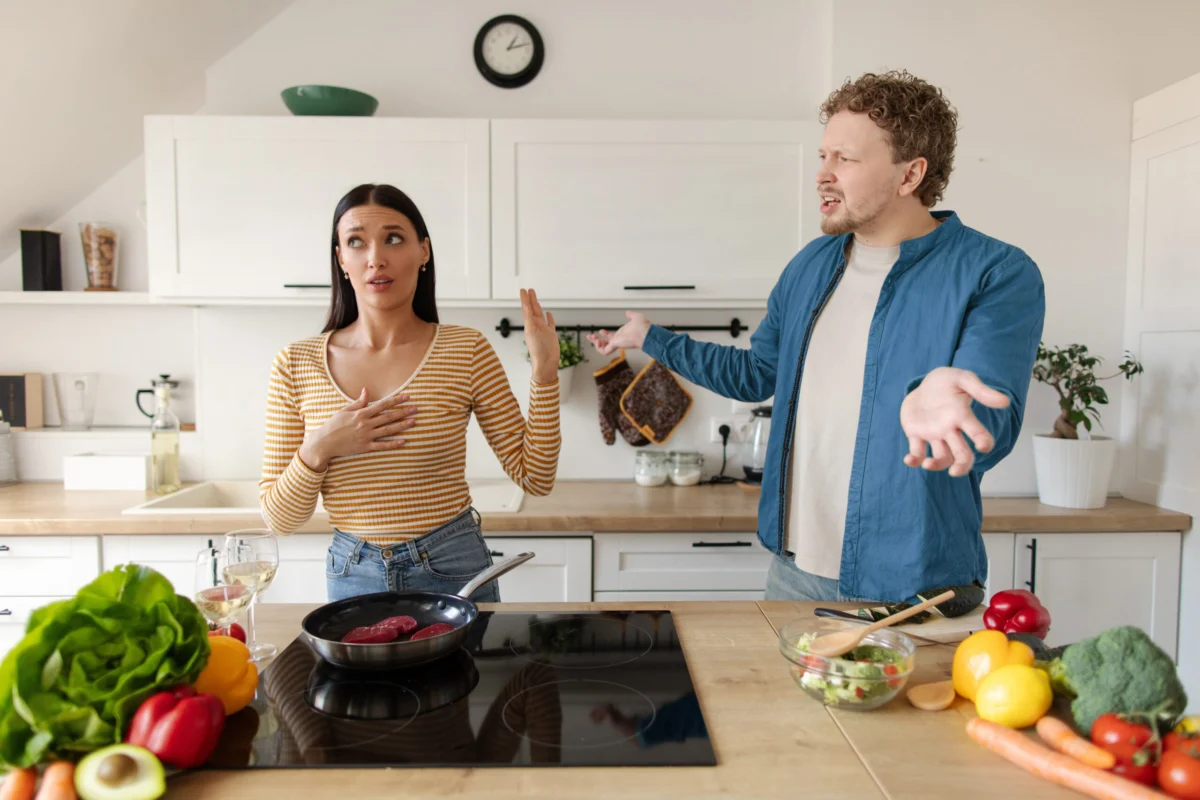
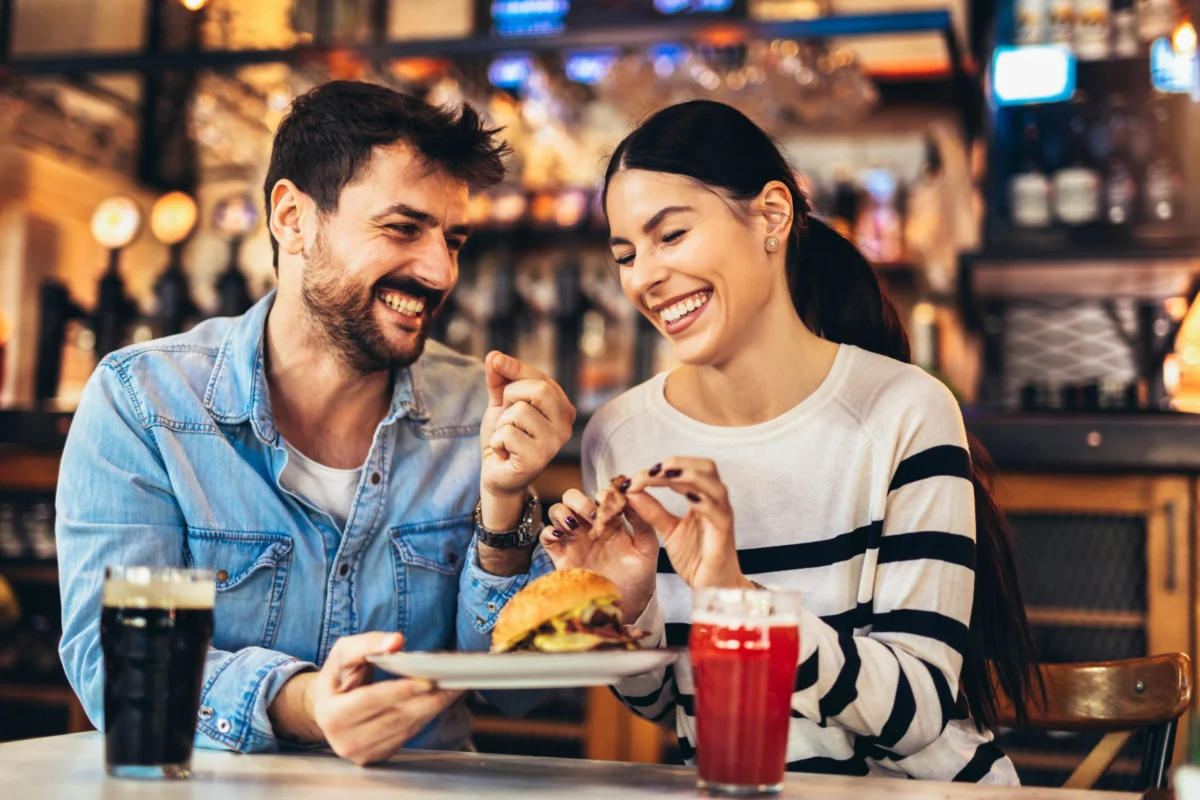
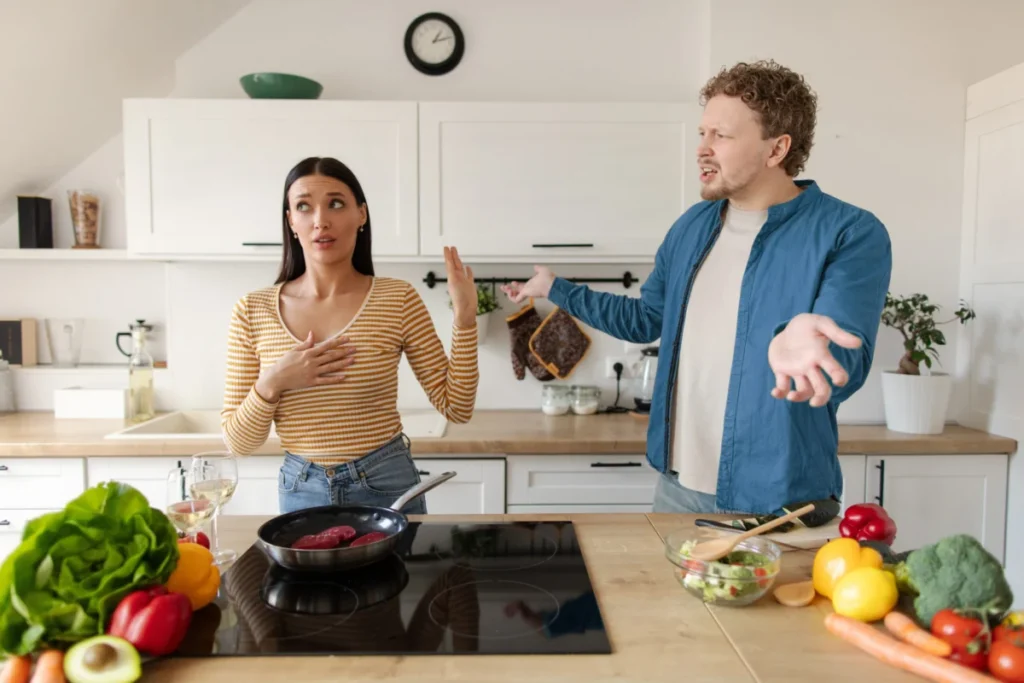
Welcome to the era of the "food divorce," a growing cultural trend where otherwise happy couples choose to eat separately, managing their own meals on independent schedules despite living under the same roof. Relationship experts describe this phenomenon as a conscious decision to step away from the traditional model of shared domestic dining in order to reduce daily friction, manage conflicting schedules, and preserve overall relationship harmony.
Erin Pash, a relationship therapist and the founder and CEO of Caveman to Casanova, explains the concept plainly for couples navigating the modern domestic landscape. According to Pash, a food divorce occurs when two people who live together stop planning, cooking, and eating as a unified household, with each person taking full responsibility for handling their own meals on their own individual timetable. The underlying philosophy of the trend is remarkably straightforward: sometimes, the daily ritual of breaking bread together can inadvertently lead to breaking up.
Pash points out that navigating everyday domestic negotiations—such as meal planning, grocery shopping, cooking responsibilities, and post-dinner cleanup—can introduce a profound and persistent level of stress into a relationship. For some couples, the emotional toll of these nightly debates outweighs the benefits of a shared meal, making it wiser to eliminate the friction points entirely. It represents a deliberate choice to take food off the master list of daily negotiations that couples are expected to manage together.

This divided approach to dining is part of a broader, rapidly accelerating shift in modern society. Data from the 2025 World Happiness Report highlights this changing landscape, revealing that roughly one in four Americans now eats every single meal entirely alone. This figure represents a massive 53% surge in solo dining habits compared to figures from 2003. Younger generations are leading this significant cultural transformation, frequently moving away from traditional breakfast, lunch, and dinner structures in favor of solo snacking on the run to accommodate increasingly packed schedules and tight household budgets.
Pash notes that while the foundation for this trend was being laid years prior, the COVID-19 lockdowns blew the lid off the issue as millions of households were forced into prolonged proximity. During the pandemic, couples found themselves at home for virtually every meal, bringing into sharp focus just how much friction three shared meals a day could generate within a confined space.
In the post-pandemic era, the trend has been further amplified by a combination of mismatched work shifts, widespread meal-prep burnout, the adoption of strict individual diets, and the explosive rise of GLP-1 medications like Ozempic. Statistics show that roughly 11% of Americans aged 18 and older currently use GLP-1 medications, while approximately 57% adhere to a specific eating plan or dietary regimen. Because the heavy burden of meal planning and food preparation frequently falls disproportionately on one partner—statistically more often the woman—the traditional dinner hour can easily transform into a breeding ground for quiet resentment.
Pash views this development as one component of a much wider cultural evolution among younger couples who are eager to discard outdated relationship rulebooks. Society has largely stopped treating the shared evening dinner as the ultimate proof of a healthy and successful marriage. Most couples are not divorcing over food itself; rather, they are divorcing the rigid expectation that romantic love must always look like a single pot simmering on the stove.

Of course, stepping away from the shared dining table is not entirely without risk or trade-off. A 2026 study indicates that couples who regularly dine together continue to report fewer depressive symptoms and higher overall relationship satisfaction. The daily culinary negotiation can certainly be exhausting, with survey data revealing that the dreaded question, "What do you want to eat?" is posed roughly 365 times a year. Couples collectively spend an average of two hours and 32 minutes every week engaged in what can only be described as kitchen diplomacy.
Pash insists, however, that these repetitive arguments are rarely ever about what is actually resting on the plate. Instead, the arguments are usually about who has been silently carrying the cognitive load of planning meals all week, contrasted against the partner who shows up with no opinion only to veto the final result. The common dynamic of responding with "I don’t care, whatever you want" followed immediately by "not that" is rarely a reflection of genuine food preference. Rather, it represents the accumulation of unmanaged domestic labor manifesting as a complaint.
Bailing on the nightly dinner debate can offer an immediate cooling-off period for a stressed relationship. Pash notes that dropping the requirement removes a recurring argument, returns valuable emotional energy to the partnership, and allows each individual to nourish their body in a way that actually works for their unique metabolism and schedule. Furthermore, it helps defuse the deep-seated resentment that often builds when one partner’s specialized diet or eating schedule begins to dictate the daily routine of the other.
On the flip side, implementing a food divorce can disrupt the rhythm of daily emotional connection, particularly for the roughly two-thirds of US adults who consider food to be their primary love language. If cooking and providing meals was historically one partner’s fundamental way of communicating affection and care, splitting the kitchen routines can occasionally feel like an abrupt withdrawal of warmth and devotion.

To help couples successfully navigate a trial separation from the traditional dining table, Pash recommends replacing the shared meal with a mandatory daily check-in. This alternative connection point can take many forms, whether it is sharing morning coffee, taking an evening stroll, or setting aside ten dedicated minutes to catch up after the children have gone to sleep. She also strongly advises locking down at least one non-negotiable shared meal each week to maintain a anchor of culinary tradition.
Couples are advised to separate the concept of food from the concept of shared time, while carefully guarding the time itself. Experts warn partners to watch out for specific red flags, such as an unspoken separation of lives, food being utilized as a tool for control or shame, a divided kitchen that merely mirrors a deeper emotional division across the relationship, or avoiding meals simply as an excuse to avoid conversation.
When one partner feels an overwhelming sense of relief from the new setup while the other feels isolated and lonely, honest communication remains the only viable path forward. The relieved partner must learn to acknowledge that the other’s loneliness is entirely valid, while the lonely partner needs to be specific about what aspects of the routine they actually miss. In most cases, it is not the food itself that is missed, but rather the unstructured conversation and the basic sense of being seen and acknowledged by one’s partner. That fundamental connection can be rebuilt without needing to rely on a shared menu.
For anyone wondering if separate plates signal the beginning of the end for a relationship, Pash offers a straightforward reality check. The ultimate test of the arrangement is simple: does an individual still want to be in the same room with their partner when nobody is forced to cook? If the answer is yes, the couple has successfully solved a scheduling and logistical problem. If the answer is no, food was never the real problem in the first place.