 11
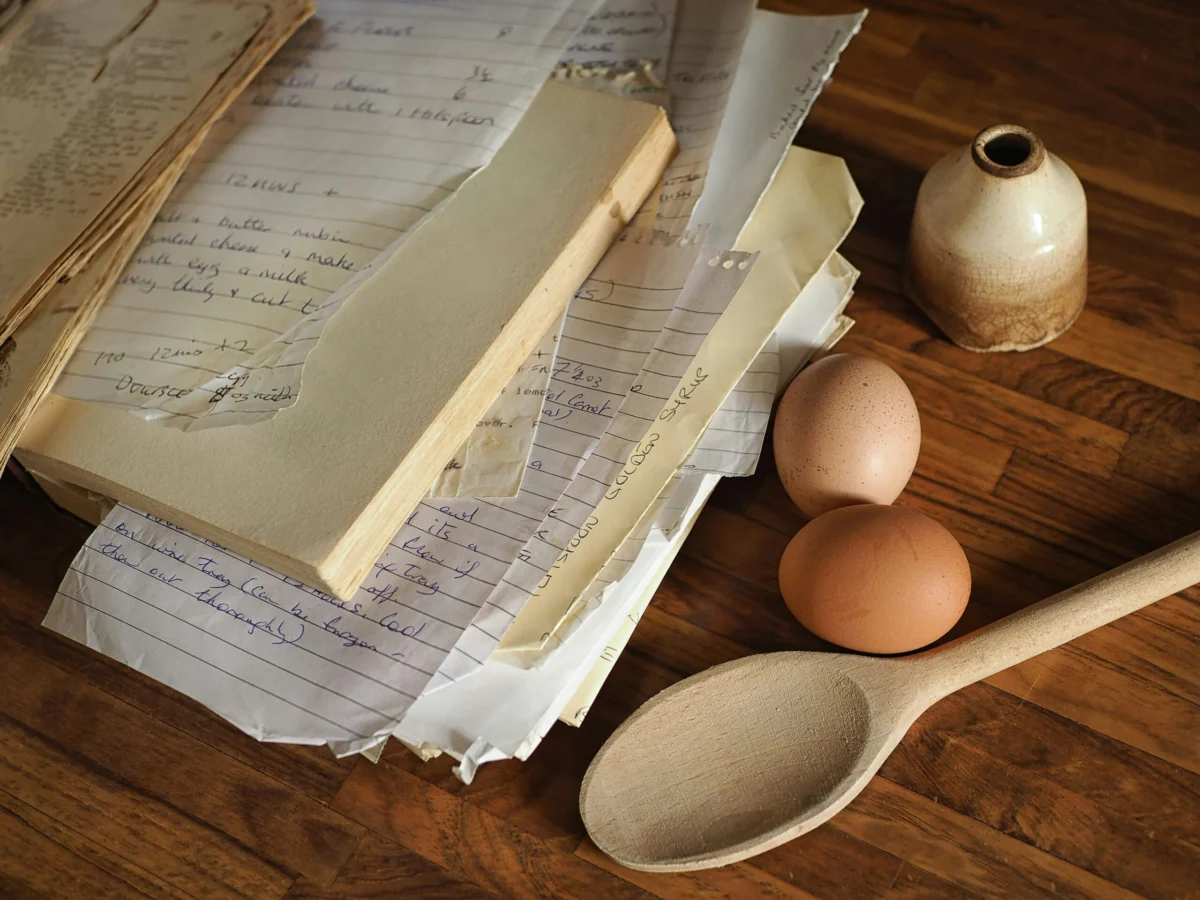
There is a unique, nostalgic warmth found in the pages of an old, spiral-bound community cookbook. For many, these kitchen artifacts are more than just collections of recipes for casseroles, gelatinous salads, and holiday pies; they are time capsules. They represent a bygone era of social connection, where church groups, neighborhood associations, and local charities compiled their best culinary efforts into modest, often hand-typed volumes. Beyond the instructions for preparing a perfect shrimp cocktail or a flaky egg twist, these books serve as a fascinating genealogical and sociological record, capturing the naming conventions of the mid-20th century.
Walking into a kitchen from decades past often meant encountering a specific atmosphere: the scent of simmering herbs, the sight of scuffed parquet floors, and the presence of a well-loved cookbook tucked away on a makeshift shelf. Each recipe in these community collections was typically attributed to a specific person, creating an intimate link between the dish and the individual who crafted it. These bylines—the names attached to every dip, roast, and dessert—carry a certain charm that is increasingly being rediscovered by modern parents searching for names that feel both vintage and distinctive.
The act of browsing through these collections, which span from the post-war era of the late 1940s through the late 1980s, reveals a treasure trove of naming inspiration. From the coastal regions of the American South to historic church congregations in Hawaii, the variety of names found on these yellowing recipe cards reflects a rich tapestry of cultural history. Many of these names possess a "coastal-grandma" aesthetic—a trend that has gained significant momentum in recent years—while others remain hidden gems that have largely fallen out of common usage. Each name is accompanied by its own sweet, accidental origin story: a woman who mastered baked clams in 1983 or a baker who perfected an oatmeal bread recipe in 1979.
Among the most enduring of these names is Josephine. Inspired by the shrimp cocktail dip found in a 1979 Centennial Cookbook, the name remains a classic choice for its versatility. Of Hebrew origin, meaning "God will increase," it offers a wealth of nickname possibilities, from the traditional Jo and Josie to the more whimsical Posey or Fifi. It is a name that balances historical gravitas with a modern, approachable flair.
In a similar vein of timeless, sturdy names is Ida. Found in a 1975 Heritage Cookbook alongside a recipe for a braided egg twist, Ida is a name that carries significant weight. It is impossible to mention the name without thinking of Ida B. Wells, the pioneering journalist, educator, and civil rights leader. Derived from German and Greek roots, the name is associated with the virtue of being hardworking. It is a name that commands respect while maintaining a simple, melodic quality that fits well in a contemporary context.
For those drawn to names with a touch of Nordic strength and pop-culture resonance, Thora presents an intriguing option. Linked to a recipe for butter flake rolls in the 1975 Heritage Cookbook, the name is often recognized by those who grew up in the 1990s as the namesake of actress Thora Birch. Beyond its modern associations, it is the feminine form of Thor, the Norse god of thunder, imbuing it with a sense of resilience and power.
The name Maude, which appears in a 1963 West Oakland Soul Food Cookbook attached to a chicken casserole recipe, has undergone a notable transformation in public perception. Once synonymous with church potlucks, the name has been revitalized by the younger generation, exemplified by Maude Apatow. As a medieval derivative of Matilda, meaning "mighty in battle," it strikes a balance between historical pedigree and a contemporary "It Girl" sensibility.
Nature and the arts are also well-represented in these culinary archives. Viola, a name found in that same 1963 West Oakland volume attached to a deep-dish peach pie, evokes imagery ranging from Shakespeare’s Twelfth Night to the vibrant purple flower from which it derives its name. With the added prominence of award-winning actress Viola Davis, the name has gained a renewed sense of prestige. Similarly, Rosemary—found in a 1983 Hawaiian church cookbook—carries the natural "kitchen cred" associated with its herbal namesake, while offering an array of charming potential nicknames such as Rosie, Romy, and Mae.
Some names in these collections lean into a delightful, old-fashioned charm that feels perfectly suited for a revival. Gertie, for instance, appears in a 1963 cookbook as the author of a fresh lemon cake. As a shortened form of Gertrude, meaning "spear strength," the name is often associated with the endearing character from the film E.T., lending it a sense of warmth and familiarity.
Then there are the names that feel like literary discoveries. Clarinda, featured in a 1979 Centennial Cookbook, is a unique invention built upon the name Clara, which means "bright." The name holds a romantic, historical significance, having been used by the poet Robert Burns as a pen name for a woman with whom he exchanged letters. It carries a sense of intellectual curiosity and romanticism that resonates with modern sensibilities.
Glamour and sophistication are also present, as seen with the name Estelle. Attached to a recipe for Pate En Croute in a 1983 neighborhood cookbook, the name exudes a classic Hollywood elegance. Meaning "star," it is a name that suggests a woman of substance and style, much like the iconic actress Estelle Getty.
For those seeking something slightly more unconventional, the name Tibby offers a unique path. Appearing in a 1975 collection with a recipe for fresh mint punch, Tibby is historically a Scottish nickname for Isabel or Elizabeth. While it carries a mid-century feel, it gained renewed recognition among millennials through the character Tibby Rollins in The Sisterhood of the Traveling Pants. It is a name that manages to be both playful and deeply rooted in tradition.
The name Ione, pronounced "eye-OH-nee," provides an ethereal, dreamy quality. Found in an 1983 Hawaiian cookbook as the author of a recipe for baked popped corn, this Greek name translates to "violet." It is a rare choice that avoids the commonality of more popular names, offering a sense of distinction for any child who bears it.
Nora, which appears in a 1976 Oregon-based cookbook attached to a clam chowder recipe, has firmly established itself as a modern favorite. Whether considered a standalone name or a shortened form of Honora or Eleanor, its soft, melodic sound has kept it in consistent use. The name remains tied to the cultural zeitgeist through various musical and artistic references, making it a bridge between the past and the present.
Finally, names like Virgie and Lenora offer a glimpse into the regional and personal histories of these cookbook contributors. Virgie, which appeared in a 1981 Eastern Star cookbook, is a sweet, Southern-inflected name that signifies "maiden." It carries a folksy warmth that is increasingly valued by parents looking for authentic, unpretentious naming options. Lenora, associated with party meatballs in a 1988 cookbook, provides a slightly moody, atmospheric option that echoes the literary works of Edgar Allan Poe.
These 32 names, extracted from the pages of history, remind us that the legacy of those who contributed to community cookbooks is not just in the food they served, but in the names they carried. Each one tells a story of a time when community was centered around the kitchen table, and when a simple recipe was a way of sharing a piece of one’s identity with the world. By looking backward, modern parents are finding a way to move forward, selecting names that are grounded in history, rich with meaning, and undeniably classic.