 11
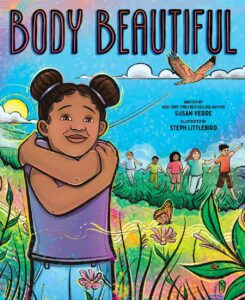
In an era where children are increasingly exposed to narrow beauty standards and digital filters via social media, educators and authors are championing literature that fosters self-acceptance, body positivity, and inclusivity. Inspired by Susan Verde and Steph Littlebird’s picture book Body Beautiful, a comprehensive reading list has been compiled to help young readers across various age groups celebrate their unique physical attributes, understand functional health, and embrace diversity.
The selected titles span board books, picture books, and middle-grade novels, offering caregivers, educators, and children valuable tools to navigate complex conversations surrounding body image, disability justice, cultural identity, and self-esteem.
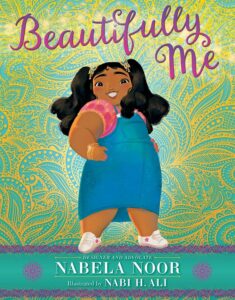
The narrative follows Zubi on her first day of school, a milestone she approaches with great excitement as she carefully chooses her outfit. However, that excitement is quickly dampened when she overhears negative self-talk from her family members—her Amma commenting on a big tummy, her older sister expressing a desire to lose weight, and her Baba worrying about gaining weight. Later at school, a classmate remarks that another student looks fat in a dress.
Distressed by these remarks, Zubi returns home and decides she needs to go on a diet, shocking her family and forcing them to recognize the impact of their own internal dialogue. Realizing they were modeling unhealthy behaviors, her family apologizes, reminding her that her name means loving and understanding. Reframing her outlook, Zubi prepares for a second day of school with a renewed mission to make the world more beautiful. The picture book is recommended for ages two and up.
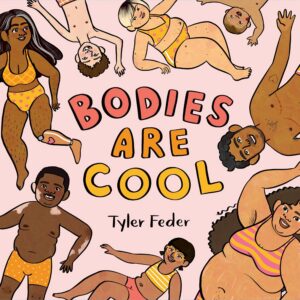
Designed as an enthusiastic read-aloud, this book explicitly includes every type of body imaginable to reinforce a core body-positive message. With vibrant illustrations and an engaging rhythm that encourages children to chant along, the text normalizes diverse physical forms, ensuring that young readers see themselves and others accurately represented. The book is suitable for children ages two and up.
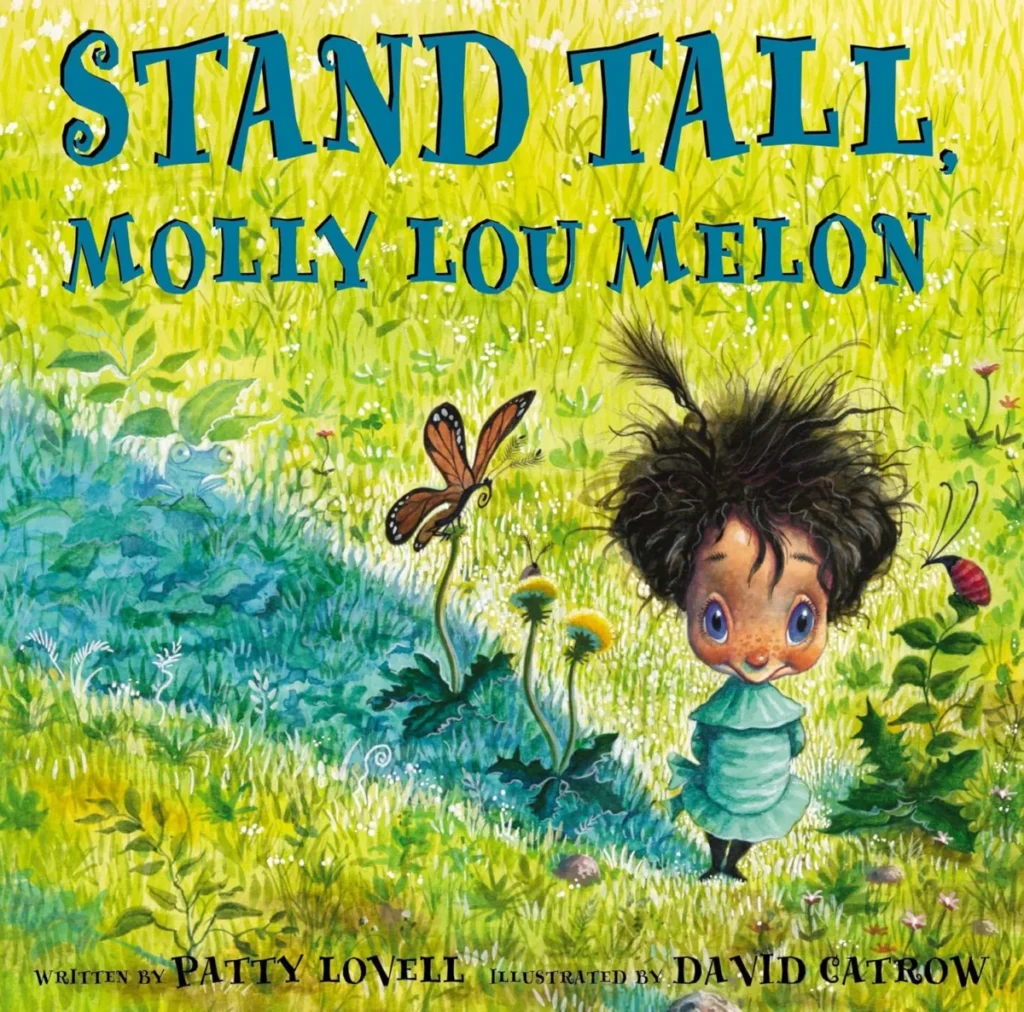
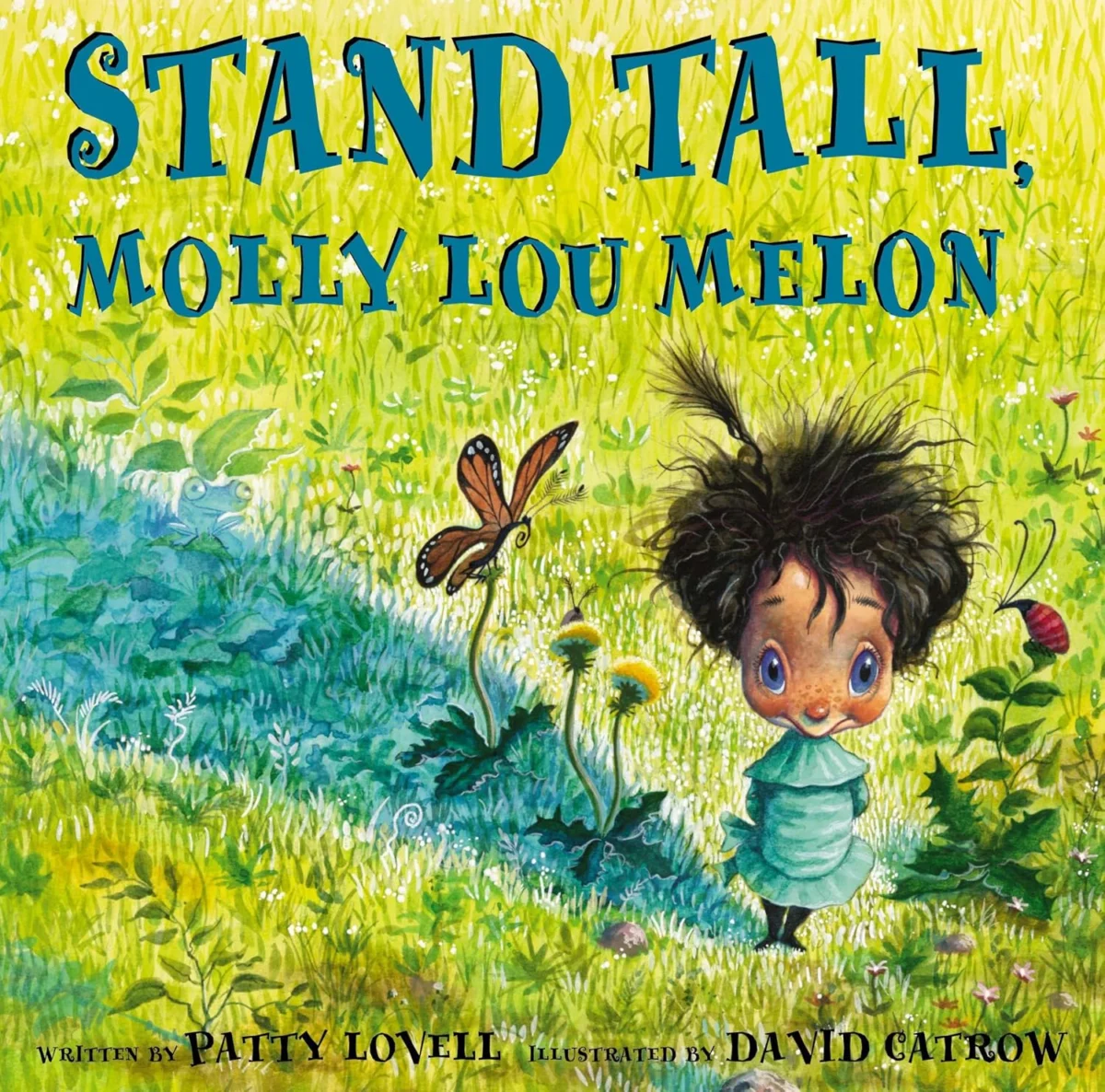
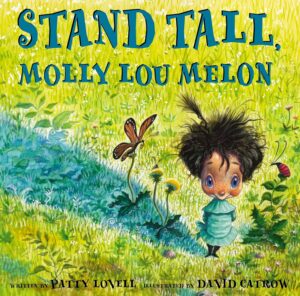
Molly Lou Mellon is a memorable protagonist who carries the confidence instilled by her grandmother into a new school environment. Despite her short stature, buck teeth, and deep voice—traits her grandmother reframed as superpowers—Molly Lou encounters a school bully determined to belittle her. By maintaining her joyful smile, strong voice, and unwavering self-assurance, Molly Lou wins over her classmates and inspires her bully to change. The picture book is targeted at ages two and up.
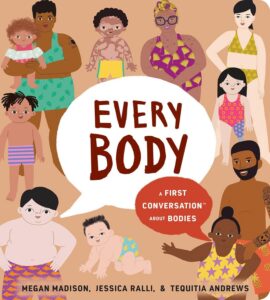
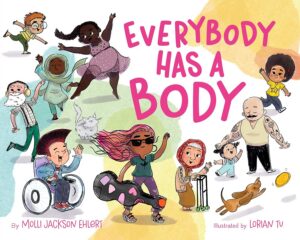
Taking a more direct and didactic approach, this book serves as a starting point for preschoolers and young children to discuss complex social concepts. Authored with educational intentionality, it touches on topics such as ableism, body diversity, disability justice, fatphobia, fat activism, and body affirmation, helping children develop inclusive language and perspectives from an early age. The book is recommended for ages three and up.
Offering a counterweight to the unrealistic and narrowly conforming beauty ideals propagated by modern media, Body Beautiful reframes physical forms through the lens of functionality, expression, wisdom, and inherent worth. Verde and Littlebird encourage readers to view their bodies not merely as images to be judged, but as dynamic, capable vessels deserving of love and care. The picture book is suitable for ages four and up, with a promotional copy giveaway accompanying its feature.
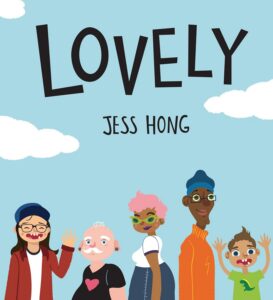
Featuring sparse, impactful text and an inclusive cast of characters, Lovely offers a broad and welcoming definition of beauty that embraces everyone. The book serves as a vibrant celebration of diversity and body positivity, encouraging young readers to appreciate differences as wonderful and unique. The picture book is targeted at ages four and up.
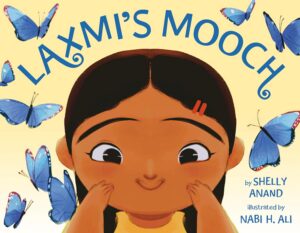
When Laxmi’s classmates point out the hair on her upper lip, she spends a miserable day feeling embarrassed at school. Upon returning home, she is met with a reassuring, body-positive message from her parents: everyone has hair on their bodies, and facial hair is entirely natural. Armed with this perspective, Laxmi returns to school the following day ready to pass the empowering lesson along to her peers. The picture book is recommended for ages four and up.
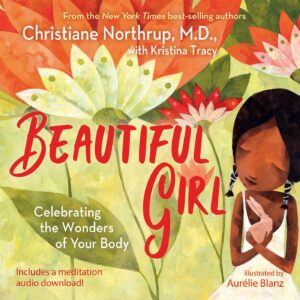
Focusing heavily on functionality, this book emphasizes that a body’s true value lies in what it enables a person to do—such as moving through the world and experiencing life—rather than its external appearance. By highlighting that diverse bodies ultimately share common capabilities, the text guides young children away from superficial judgments. The picture book is suitable for ages four and up.
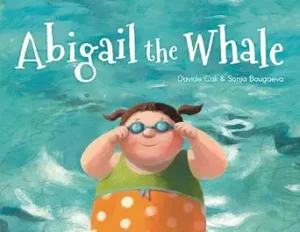
After being labeled a "whale" by classmates during swimming class because her dive generates a large splash, Abigail feels too heavy to be a successful swimmer. Her perspective shifts when her swim coach introduces the power of positive thinking and mental reframing, advising her to "think light, like a fish or a bird." Abigail applies this imaginative strategy not only to swimming—successfully conquering the high dive—but also to other challenging scenarios, showcasing the power of a growth mindset, empathy, and creativity. The picture book is targeted at ages five and up.
Bridging the gap for young readers approaching developmental milestones, this book functions as an accessible introduction to understanding changing physical forms. Utilizing inspirational metaphors, the authors provide girls with positive messaging regarding their physical development and bodily autonomy. The picture book is recommended for ages five and up.
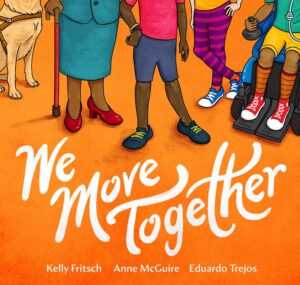
Drawing on disability justice frameworks and quotes from thought leaders such as Aurora Levine Morales and Patty Berne, this picture book explores ableism and accessibility. It illustrates how communities can come together to ensure that diverse strengths and needs are met, emphasizing that society is stronger when no one is left behind. The book is suitable for children ages six and up.

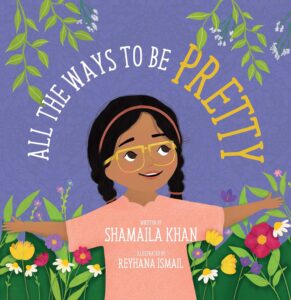
Authored to provide Muslim parents with a resource for discussing physical appearance with their daughters, Khan’s work advocates for a much broader definition of beauty. The book deliberately shifts focus away from physical attributes, instead modeling inner qualities such as intelligence, bravery, wisdom, piousness, resiliency, and kindness as true measures of worth. The picture book is targeted at ages seven and up.
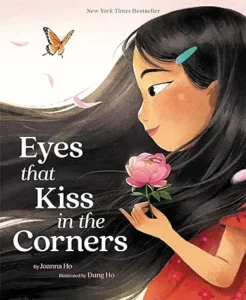
A young Taiwanese girl notices that her features differ from those around her who possess round eyes and long lashes. Recognizing that her eyes mirror those of her mother, grandmother, and little sister, she discovers a generational lineage of strength. Her family’s eyes—which glow like warm tea and crinkle into crescent moons—carry the stories of the past and hope for the future, helping her embrace her heritage and cultivate self-love. The picture book is recommended for ages four and up.
Capturing a joyful family visit to a traditional Japanese public bathhouse, this story celebrates intergenerational bonds and the natural spectrum of female forms. As the characters wash and relax in the steamy water, the text honors bodies in all stages of life—describing newly sprouting, gangly bodies, jiggly bodies, and ancient, creased bodies—as fundamentally beautiful. The picture book is suitable for ages four and up.
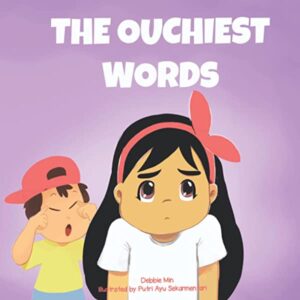
Addressing the painful reality of anti-Asian bullying, the story follows Nari, who faces targeted mean words and racist gestures from a classmate named Zach. Seeing another student, Patty, handle bullying with resilience inspires Nari to adopt positive self-talk and verbal boundaries. The book provides realistic coping mechanisms and highlights the importance of peer support and bystander intervention. The picture book is targeted at ages four and up.

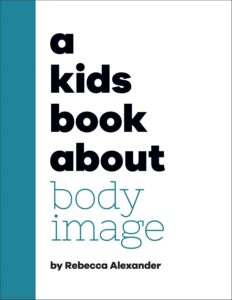
Written for joint reading between adults and children, this non-illustrated picture book tackles the complex topic of body image through the perspective of an author who openly discusses her experiences as a fat woman navigating self-love and societal pressures. Alexander, who founded the public space accessibility review platform AllGo, addresses advertising and social media ideals, centering her message on self-acceptance and body positivity. The book is recommended for ages five and up.

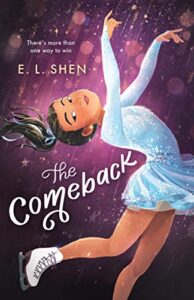
In this middle-grade novel, protagonist Maxine struggles with the intense scrutiny placed on her appearance within a competitive sports environment, resorting to using adhesive to alter her eyelids in an effort to minimize critical comments. Alongside themes of cultural identity, academic stress, and competitive sports, the narrative depicts an environment where harassment is formally addressed, and swift accountability is taken by school faculty. The book is targeted at readers ages eight and up.