 11
Eight is widely considered a golden milestone in childhood. Children at this age have crossed the threshold into having distinct, independent interests and hobbies, yet they remain young enough to become entirely captivated by play for hours on end, provided they are given the right tools. By the time they reach eight years old, a child’s cognitive and physical skills are rapidly taking shape. They are evolving into more confident readers, developing strategic thinking capabilities, and showing a genuine curiosity about how the physical world works.

At the same time, while eight-year-olds often fancy themselves exceptionally grown-up, child development specialists emphasize that they still require ample unstructured time to play for their overall health and well-being. Finding the right balance between entertainment, education, and durability can be a challenge for parents navigating the crowded toy market. To cut through the noise, toy testing experts, early years consultants, and a panel of discerning young critics have curated a comprehensive roster of creative kits, clever games, outdoor adventures, and timeless classics designed to keep eight-year-olds happily occupied for months while sneakily supporting their development.
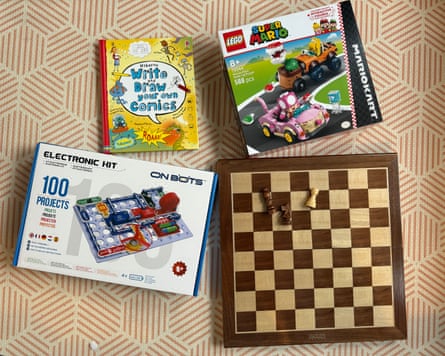
Approaching the task with a philosophy centered on sustainability and mindful consumption—guided by the principle of buying well rather than buying more—experienced toy testers and parenting journalists collaborated to find products that can withstand enthusiastic use and last well into the tween stage. Drawing on nearly a decade of experience writing about toys and parenting, alongside professional observations from schools and children’s publishing, the selection process aimed to strike a balance between what children love to play with and what parents actually want in their homes.
Developmental experts and early years consultants were consulted to ensure the chosen items supported the specific milestones typical of eight-year-olds, encompassing everything from school skills to emotional well-being and social bonding. Furthermore, a lively gang of eight-year-old testers was enlisted to put the products through rigorous, real-world trials. These young critics offered candid feedback, ensuring that only items capable of holding short attention spans and winning genuine approval made the final cut.
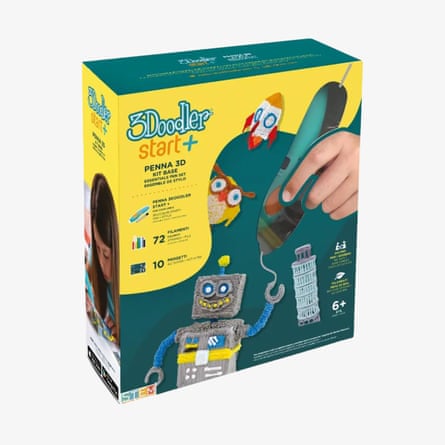
For children fascinated by the intersection of art and mechanics, creative kits provide an outlet for hands-on exploration. The 3Doodler Start+ 3D essential pen set, priced around £40, brings a touch of sci-fi reality to drawing. By delivering a stream of BPA-free plastic that cools rapidly upon contact with the air, the pen allows children to literally draw in three dimensions. Testers reported spending hours crafting everything from custom sunglasses to intricate, albeit spooky, robots. While the use of plastic material warrants environmental consideration, the filaments are made from biodegradable matter, and the high engagement factor ensures children return to it repeatedly.
For those inclined toward electronics, STEM (science, technology, engineering, and mathematics) kits offer a constructive way to channel youthful energy. Electronics kits featuring dozens of project options provide a hands-on introduction to circuitry and physics. Testers embraced the autonomy of choosing their own projects, constructing working security alarms and exploring basic engineering principles in a format that feels more like play than schoolwork.
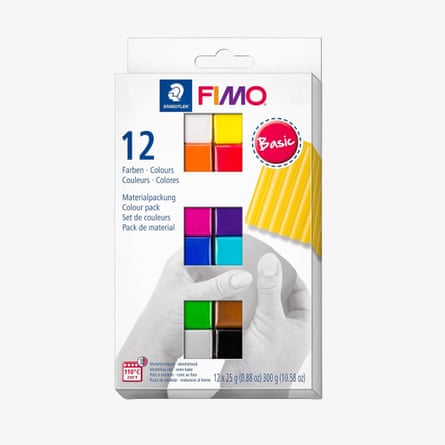
Similarly, classic modeling materials like Staedtler Fimo soft oven-hardening polymer modelling clay, priced between £8 and £14.50, continue to offer timeless, mess-free appeal. Allowing children to sculpt multicoloured animals and bake them into permanent keepsakes, the medium encourages open-ended artistic expression without rigid rules or single-use limitations once cured.
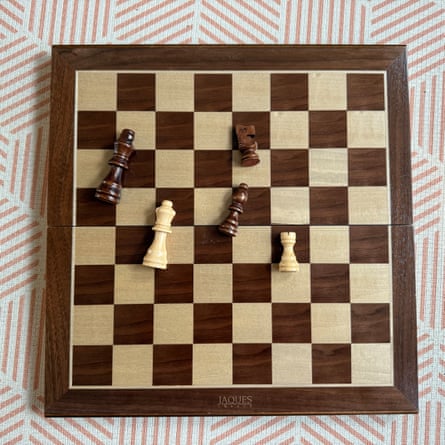
As cognitive abilities mature around the age of eight, children naturally gravitate toward more complex, structured games that build focus, spatial awareness, and critical thinking. Primary schools frequently introduce chess at this stage to foster problem-solving skills and numerical reasoning, making a proper board a meaningful investment. High-end sets, such as the Jaques of London complete folding chess board crafted from walnut and sycamore with hand-carved pieces, transform the game into a lifelong possession. Young players who previously relied on travel sets often react with enthusiasm to playing on a traditional, tactile board with weighted pieces.
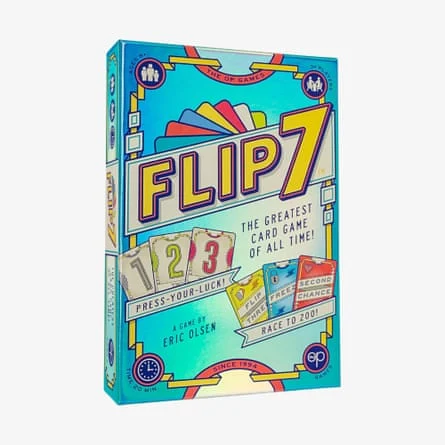
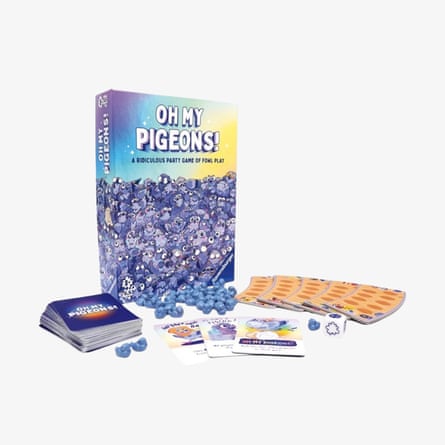
For faster-paced group settings, party games like Ravensburger’s Oh My Pigeons! offer rapid-fire entertainment that bridges generational gaps. Priced around £13, the game features straightforward rules that avoid lengthy instruction manuals, allowing both adults and children to dive right in. Its compact size also makes it practical for portable play during rainy afternoons at cafes or restaurants.
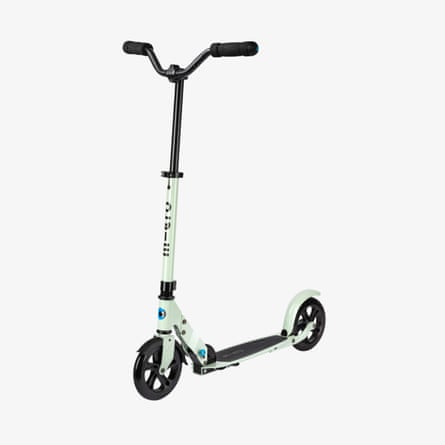
Encouraging children to step away from screens and spend time outdoors is vital for physical and mental health, though it often requires compelling incentives. High-performance outdoor equipment designed for older children can make a significant difference. The Micro Scooters Micro Speed deluxe scooter, priced around £165, features large wheels for covering longer distances and chopper-style handlebars for enhanced control. While positioned at a higher price point, the brand’s commitment to providing accessible spare parts and repair guides ensures the scooter can endure heavy daily use, a skate park lifestyle, and multiple rounds of hand-me-downs into the teenage years.
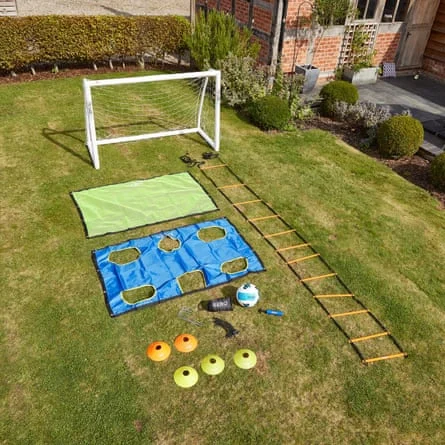
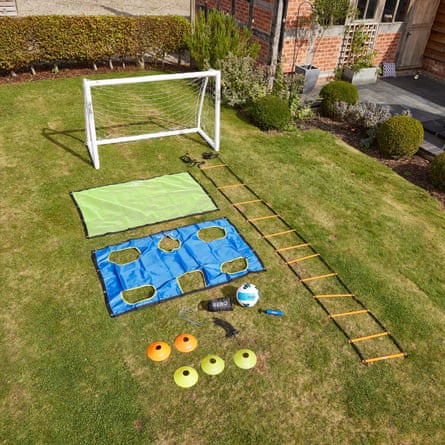
For larger gardens, sports equipment offers another avenue for building peer relationships and coordination. Portable PVC football goal kits that include target-practice sheets, rebound nets, and training accessories provide an elevated play experience suitable for eight-year-olds who have outgrown basic toddler goals. Such kits encourage collaborative team play and physical activity in all weather conditions.

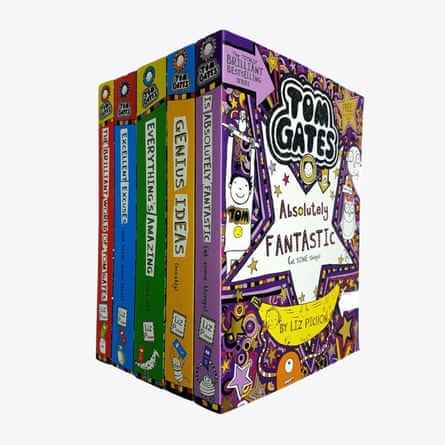
Supporting literacy at eight often involves finding the right series that sparks independent reading habits. Illustrated chapter book series, such as Liz Pichon’s Tom Gates collection, resonate strongly with readers due to their humorous depictions of school life, relatable sibling dynamics, and doodle-heavy layouts. Even reluctant readers frequently race through these volumes, drawn in by the approachable text-to-illustration ratio.
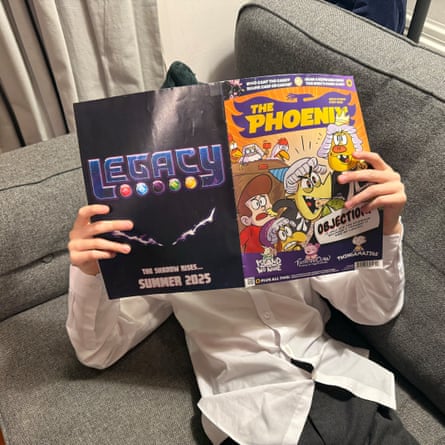
For ongoing engagement, magazine subscriptions such as The Phoenix comic deliver serialized adventures, creative prompts, and popular comic strips directly through the post each week. This blend of narrative fiction and interactive drawing activities demonstrates that print media retains a powerful appeal for the younger generation, encouraging quiet reading habits away from digital devices.
Ultimately, child development experts emphasize that the most successful gifts for eight-year-olds follow a "less is more" philosophy. By carefully observing a child’s unique interests—whether they lean toward creative arts, strategic board games, active sports, or immersive reading—gift-givers can select versatile, high-quality items that support ongoing growth and provide lasting enjoyment well beyond the initial unwrapping.