 111
 2
 3
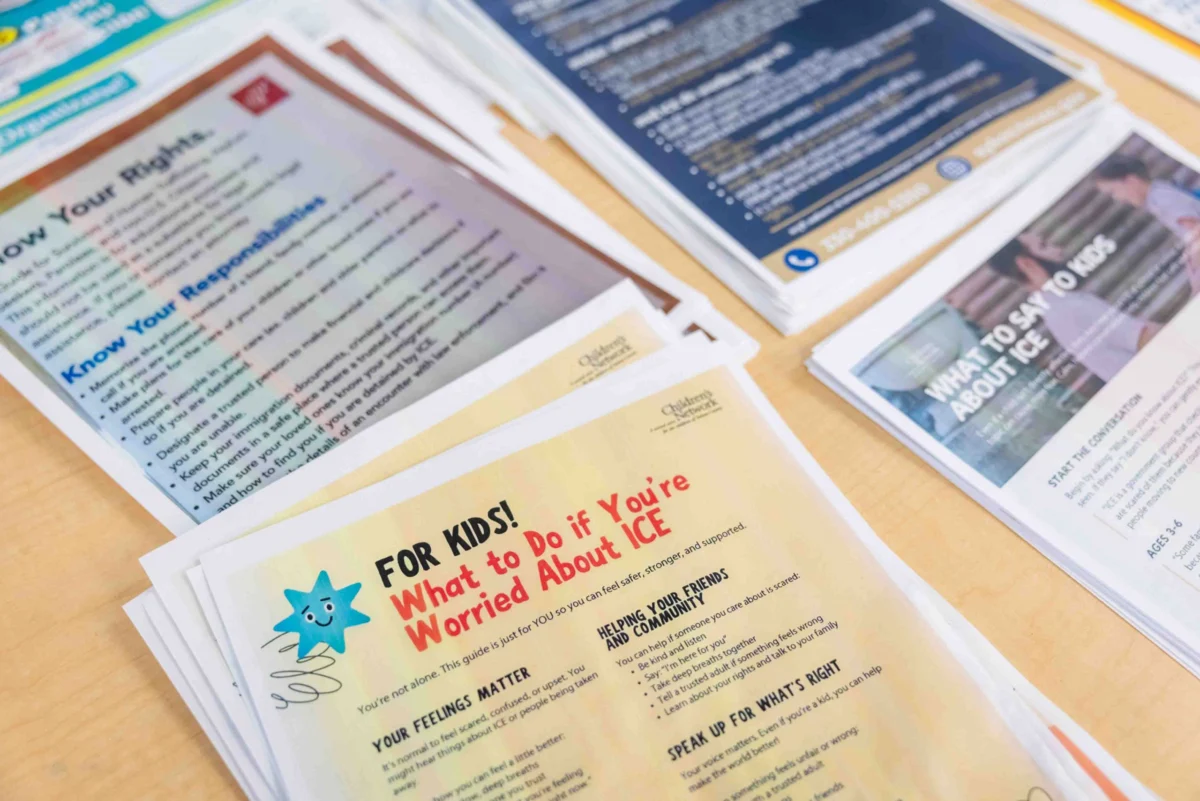
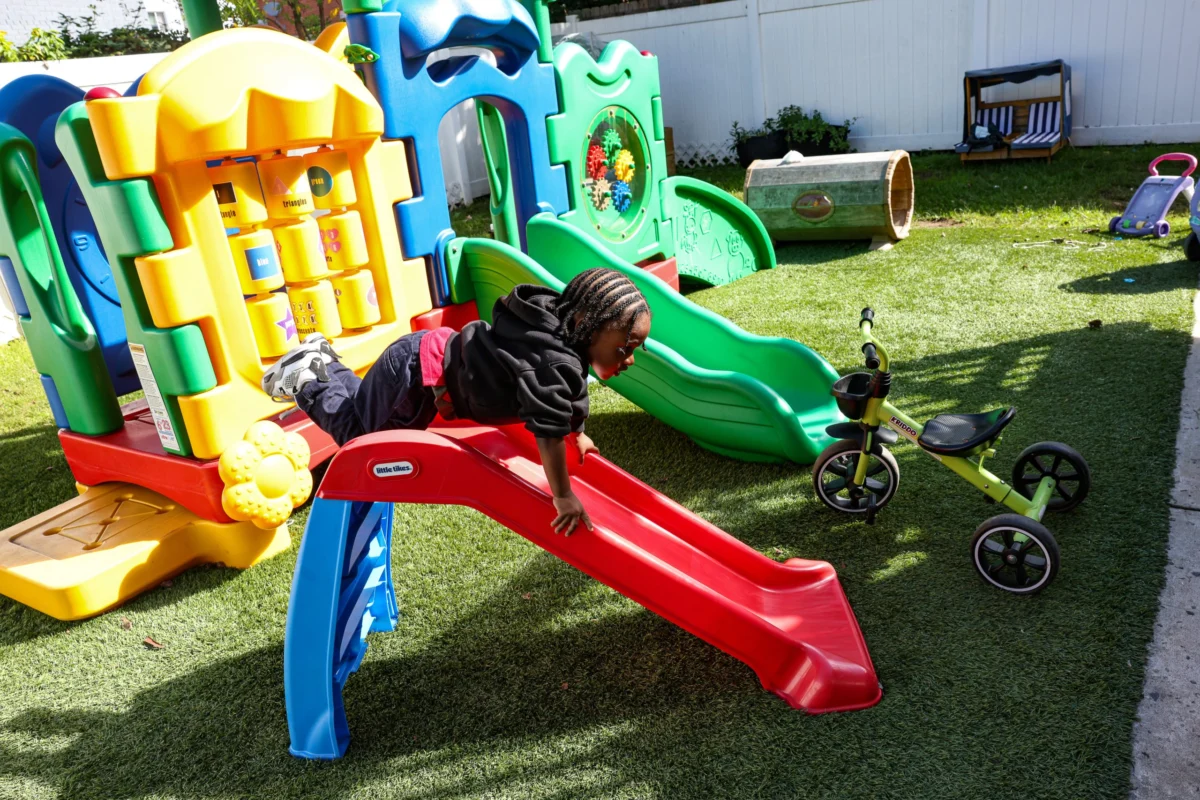
SAN DIEGO — Out on the school playground, the rules of foursquare are supposed to be simple, absolute, and unquestioned. But for nine-year-old Emma, a third-grade student in San Diego, California, getting called out during a recess game triggers tears that are hot, angry, and laced with a profound sense of injustice.
To her teachers, Emma is a bit older than the typical age for crying over a playground game, yet her educators recognize something deeper beneath her frustration. They describe it as a “strong internal sense of justice.”
“Emma,” her teacher says gently, stepping in to manage the dispute. “You’re out. You have to get back in line.”
“But it’s not fair!” she wails, refusing to accept the outcome easily.
Her teacher reminds her that her classmates are playing by the established rules—and that, in the classroom and on the playground, rules matter. It is the standard, foundational message educators are expected to impart to children to help them navigate social environments and develop resilience.
Yet, as the teacher stands firm, enforcing the boundaries of the game, a stark and painful contradiction looms in the background. Both the teacher and Emma know that her family has been desperately trying to play by the rules since arriving in the United States. They have jumped through legal hoops, filled out paperwork, and abided by civic guidelines, even as those very rules keep shifting beneath their feet. Now, despite their compliance, Emma’s family faces the looming, constant threat of deportation.
As an educator, the reality demands consistency, firmness, and steadfastness. Even when the human instinct is to embrace the child and cry alongside her, the teacher must remain unyielding. Emma grumbles her way to the back of the line, nursing a wound that goes far deeper than a dropped ball or a missed turn in foursquare. Watching a child hurt while enforcing arbitrary-seeming rules is one of the most grueling aspects of modern teaching. It is hard to play the designated part—to be the steady, unshakeable adult in the room so that a child can simply be a child—when the student is entirely correct in sensing that so much of the world around her is profoundly unfair.
This daily tension is far from isolated. Across the United States, the modern anti-immigrant political movement increasingly reduces children to constitutional hypotheticals, abstract talking points, and demographic statistics. The sweeping policy debates and political rhetoric pushed by various factions are frequently discussed in terms of macroeconomic indicators, border enforcement metrics, and government reports.
In practice, however, these policies do not stay confined to Capitol Hill press conferences or legislative text. They ripple directly through neighborhoods, school hallways, classrooms, and playgrounds. The chaotic, legally blurry, and high-stress reality created by shifting federal policies shapes even how nine-year-olds play during recess, where teachers try in vain to remind students like Emma that rules are supposed to matter and protect everyone equally.
If American society claims to belong to a nation that constructs laws and protective frameworks specifically to safeguard children, educators argue that the nation must not lose sight of a basic truth: immigrant children are, fundamentally, just kids. To effectively protect the rights and well-being of immigrant children, teachers must clearly inhabit their roles as reliable, protective adults. Furthermore, educators and advocates argue that school professionals must stand in clear opposition to the recent wave of confusing, punitive, and unjust immigration policies that destabilize vulnerable communities.
The modern political landscape surrounding immigration has been shaped by decades of organized political messaging. This rhetoric frequently frames immigrants as convenient political scapegoats for a wide array of complex, systemic social issues, ranging from economic inflation and the stagnating middle class to a strained health care system and broader social anxieties.
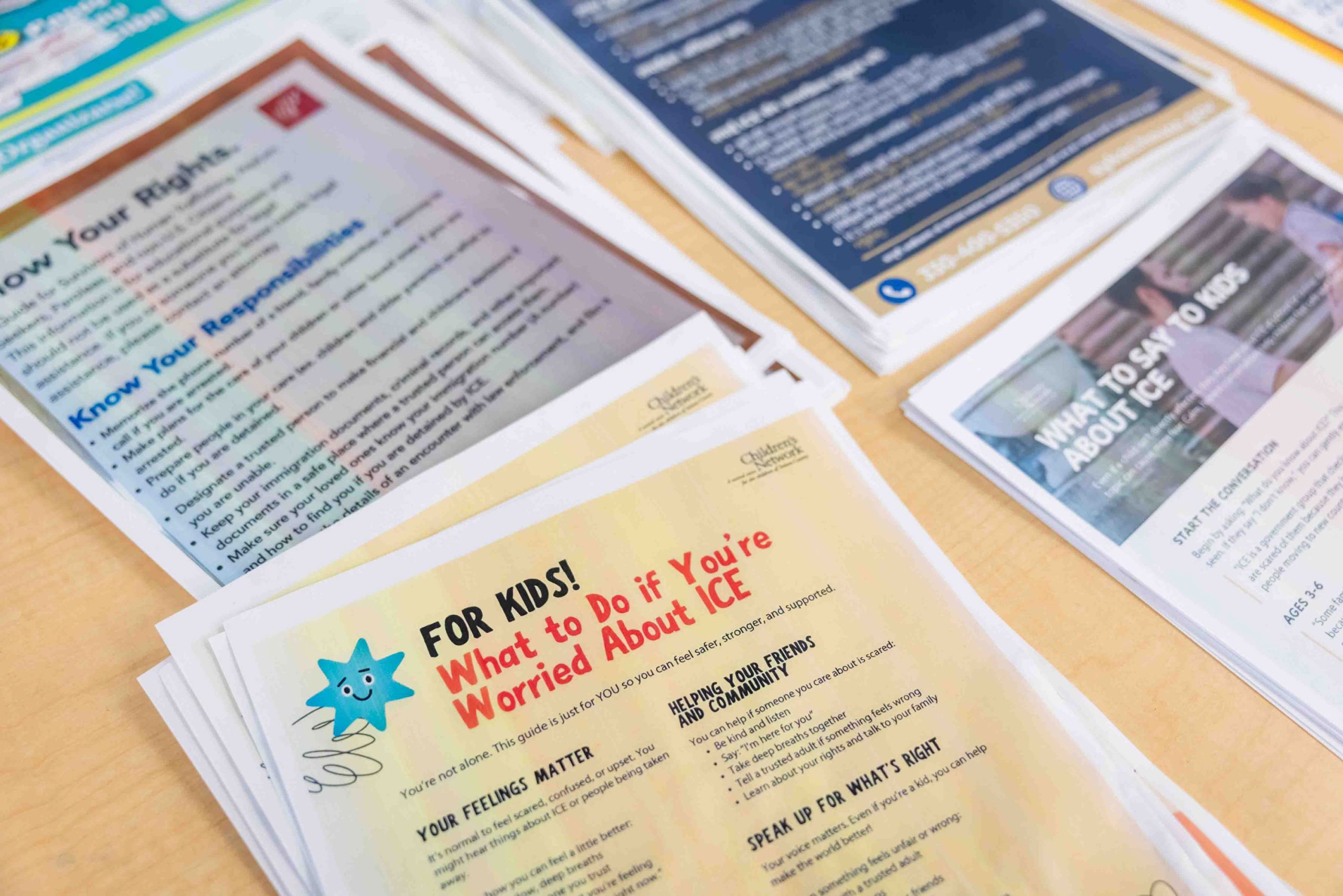
Over successive years, political factions—most notably during the Trump administration—have utilized this messaging to justify and expand aggressive deportation efforts, broaden enforcement priorities, and heavily restrict legal immigration pathways. Consequently, children bear the brunt of these political choices, facing the immediate psychological trauma of family separation, sudden displacement, and chronic instability.
Worse yet, as federal and state enforcement mechanisms grow increasingly brazen, children are no longer merely collateral victims of harsh immigration policies; in many instances, they have become direct targets. Thousands of migrant children have been separated from their parents at the southern border, routinely denied standard asylum protections, and threatened with the systematic stripping of long-standing legal safeguards.
The pressure has extended deeply into domestic policy and public education as well. Across various states, lawmakers are actively proposing legislation designed to directly challenge Plyler v. Doe, the landmark 1982 Supreme Court decision that established a constitutional mandate: all children, regardless of their legal immigration status or the status of their parents, must be granted equal access to U.S. public schools.
Political strategists and conservative groups hope these state-level challenges will trigger a high-stakes lawsuit that ultimately makes its way to the Supreme Court, with the explicit goal of overturning Plyler v. Doe. Should such a legal shift occur, it would represent a dramatic and unprecedented pivot in American education policy, fundamentally altering the nation’s moral understanding of children’s universal rights and intrinsic human value.
The rhetoric has occasionally crossed lines that leave educators and community advocates stunned. Amid the broader political instability surrounding immigrants’ daily lives, Oklahoma state Republican Representative Mike Ritze publicly suggested that public schools should actively identify English learner students and report them directly to federal immigration enforcement.
“Turn them over to ICE to see if they truly are citizens — and do we really have to educate noncitizens?” Ritze asked, sparking widespread condemnation from civil rights groups and educators nationwide.
For teachers on the front lines, external political figures are effectively playing recess games with human lives, manipulating rules and tossing children around like political footballs to score points with constituents.
Yet, inside the classroom, the foundational mission of education remains unchanged. Teachers know the vital importance of consistently holding children to high expectations while providing a safe harbor. Educators must serve as the steady, reliable adults that children can count on, ensuring they have the psychological safety required to grow, play, explore, and take normal childhood risks.
No matter how callously politicians and media pundits discuss immigration, and no matter how desensitized the broader American public may become to harsh political rhetoric, immigrant children remain children first and foremost.
They are children like Emma, standing on a San Diego playground, wiping away hot tears after getting out in a game of foursquare. They are kids who already carry the heavy burden of the world’s injustices, sensing with uncanny intuition that they and their families may never truly be welcomed in the country they call home.
Every single morning, Emma wakes up not knowing whether she, her parents, and her family will face sudden deportation by the end of the day. Yet, despite the invisible weight hanging over her young life, she still steps outside onto the asphalt, joins her classmates, and tries to play.
Hannah Harshe is an English Language Development educator based in San Diego, California. She is also the founder of Yoga for Immigrant Justice, a grassroots fundraising initiative dedicated to supporting immigrant communities in the border regions of California and Baja California.