 11

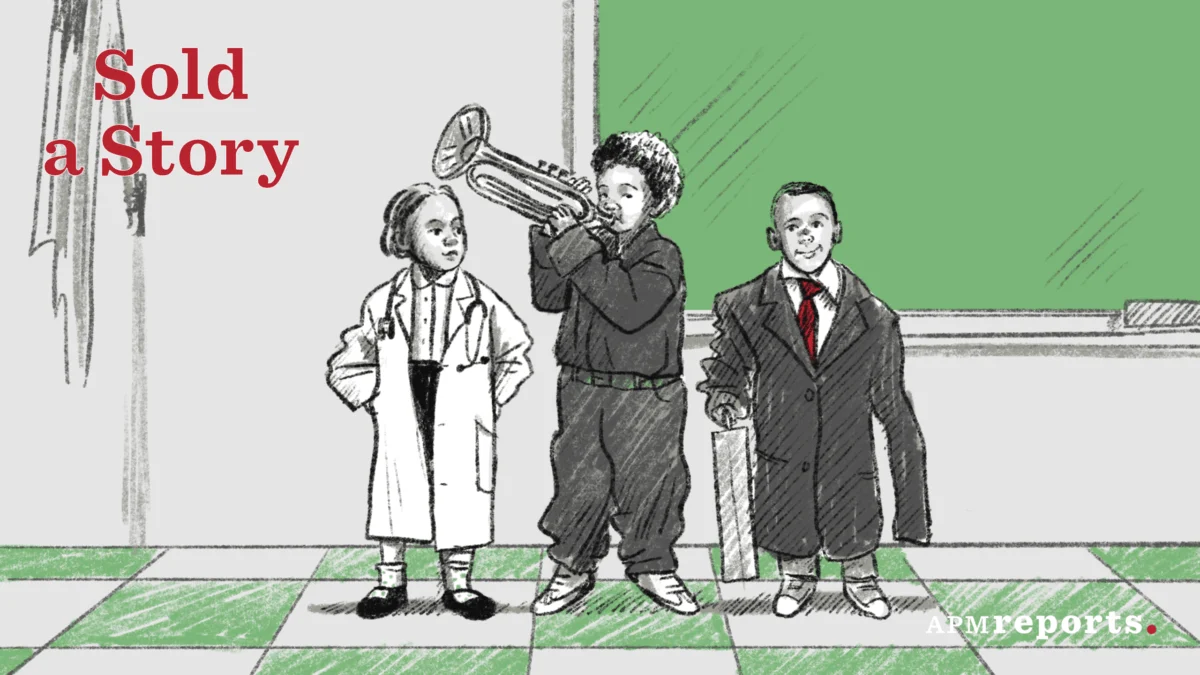
As the national conversation surrounding how children learn continues to evolve, educators, researchers, and policymakers frequently look back at historical turning points to understand why modern classrooms operate the way they do. A prominent focal point in this ongoing examination is the acclaimed investigative podcast Sold a Story, produced by APM Reports. While the podcast’s groundbreaking first season exposed the widespread adoption of unproven reading instruction methods that left generations of students struggling to read, Season 2 expands its investigative lens to look at teaching methodologies themselves, examining the systemic forces that shape American education.
In Season 2, Episode 3, titled "The Forgotten Experiment," the podcast revisits one of the most ambitious educational evaluations in United States history: a massive, high-stakes test of a methodology known as "direct instruction." For educator and theorist Zig Engelmann, the initiative represented the opportunity of a lifetime. It was a chance to prove the efficacy of direct instruction on a grand scale, implementing the model within one of the largest education experiments ever conducted. The potential implications of the project were monumental, offering empirical data that could have fundamentally altered the trajectory of American pedagogy and classroom instruction for decades to follow. Instead, the results of this monumental undertaking became deeply contested, eventually overshadowed by shifting educational philosophies, and ultimately cast aside by mainstream school systems.
The concept of direct instruction, pioneered and championed by Engelmann alongside fellow researchers, emphasizes explicit, structured, and sequential teaching methods. Rather than relying on discovery-based learning or open-ended exploration, direct instruction breaks down learning into manageable, carefully scripted increments where educators explicitly teach foundational concepts, check for student understanding, and provide immediate feedback. Proponents argued that this rigorous, data-driven approach was especially effective for low-income students and children at risk of falling behind academically, providing them with the clear, structured guidance necessary to master foundational skills efficiently.

When the opportunity arose to test direct instruction in a real-world, large-scale environment, it arrived alongside high expectations and intense scrutiny from the broader educational research community. The project was designed to determine whether systematic, highly structured teaching methods could consistently outperform traditional or alternative educational models across diverse student populations. For Engelmann and his supporters, the experiment was envisioned as the definitive proof that would validate direct instruction once and for all, transforming it from a controversial alternative into a foundational pillar of public education policy.
However, the path of educational reform is rarely straightforward, and large-scale social experiments often become entangled in ideological debates. As the data from the massive experiment began to emerge, the interpretation of the results quickly became a battleground. Critics of direct instruction raised concerns regarding its structured, teacher-led nature, arguing that it stifled student creativity and critical thinking. Conversely, advocates maintained that the empirical evidence clearly demonstrated superior academic gains for students taught via the direct instruction model, accusing the educational establishment of ignoring objective data in favor of prevailing pedagogical fashions.
The controversy surrounding the findings ultimately paralyzed policymakers and school districts, preventing the widespread institutional adoption that Engelmann and his team had envisioned. Rather than sparking a revolution in classroom teaching, the outcomes of the experiment were heavily debated, reanalyzed, and, in many cases, quietly pushed to the margins of educational history. The prevailing educational culture at the time leaned increasingly toward student-centered, constructivist philosophies of learning, leaving structured, explicit instruction sidelined for decades.
The reverberations of this forgotten experiment continue to be felt in modern classrooms, serving as a cautionary tale about how ideological preferences and institutional resistance can sideline rigorous empirical research. Through "The Forgotten Experiment," APM Reports brings this historical episode back into the spotlight, inviting contemporary educators and the public to reconsider the decisions of the past. By examining how promising pedagogical frameworks can be championed, contested, and ultimately forgotten, the podcast provides vital context for ongoing debates about what works in the classroom and why evidence-based practices so often struggle to find a permanent home in American schools.