 111
 2
 3
When it comes to outdoor culinary traditions, grilling remains the undisputed heavyweight champion of backyard cooking. While the peak season traditionally stretches from Memorial Day through Labor Day, a dedicated segment of home cooks keeps their flames burning year-round. Beyond keeping the kitchen cool during scorching summer months and containing the inevitable mess outdoors, open-flame cooking imparts a distinctive, rich flavor that is nearly impossible to replicate indoors. From delicate vegetables to robust cuts of meat, virtually any dish can be adapted for the grate.

Preparing the equipment marks the first major decision for any outdoor cook, primarily revolving around the classic debate between gas and charcoal. While gas offers convenience, rapid heating, and precise temperature regulation, charcoal enthusiasts argue that nothing can duplicate the authentic smoky flavor of wood briquettes. Although charcoal requires an additional twenty to thirty minutes of preparation time before it is ready for cooking, it remains the fuel of choice for many purists. Regardless of the fuel source, high-end equipment with elaborate gadgets and side burners is largely unnecessary. Success on the grill relies heavily on technique and practice rather than an expensive apparatus.

Essential tools should remain simple and functional, prioritizing safety through long handles to keep hands away from extreme heat. A sturdy grill brush with stiff wire bristles, a reliable pair of tongs, and a standard metal spatula form the core toolkit. Maintaining clean grates is critical, with seasoned cooks finding it easiest to scrub the metal surfaces while they are still hot, either during the preheating phase or immediately following a meal. Stubborn residue can be burned off using high heat, or scraped away with a makeshift ball of heavy-duty aluminum foil held securely by tongs.

Fuel management dictates how the heat is applied. Charcoal is efficiently ignited using a dedicated chimney starter, which reduces the reliance on lighter fluid and its potential impact on food flavor. Gas grills utilize built-in igniters or manual matches, allowing operators to adjust fuel valves to create distinct temperature zones. By piling more fuel on one side of the grill or utilizing multiple burners, cooks can establish a dual-temperature environment featuring both a high-heat direct zone and a cooler indirect zone. Before any food touches the metal, oiling the grates with a paper towel dipped in vegetable oil prevents sticking, while avoiding aerosol cooking sprays that can trigger dangerous flare-ups.

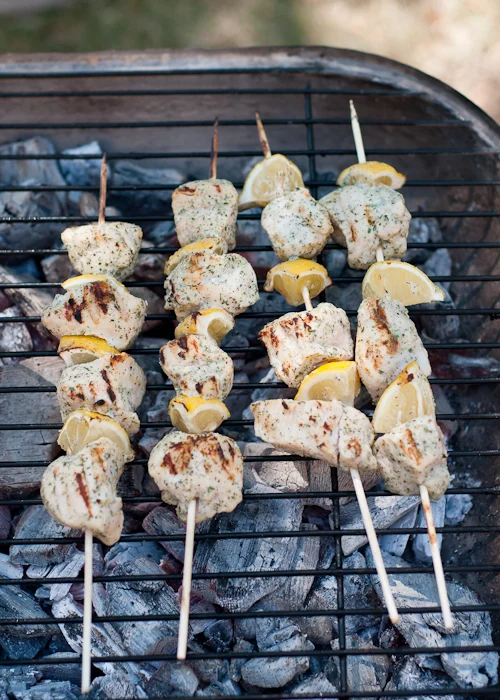
Food preparation offers an opportunity to elevate ingredients through marinades, rubs, and smoking techniques. While simple seasonings like coarse salt and freshly ground black pepper allow high-quality cuts of meat to shine, tougher or leaner cuts benefit significantly from acidic marinades containing vinegar, citrus juice, or wine combined with oil and spices. Dry rubs create an appealing crust on fast-cooking proteins like steaks and chicken breasts, whereas glazes containing sugars or barbecue sauce must be applied only in the final moments of cooking to prevent burning. Wooden skewers, wood chips, and cedar planks require thorough soaking in water beforehand to prevent them from catching fire and to encourage proper smoke generation.

Understanding the difference between direct and indirect heat is vital for successful execution. Direct heat sits squarely over the hottest part of the fuel source and suits foods that cook in twenty minutes or less, such as burgers, steaks, chops, and vegetables. Indirect heat places the food away from the active flames, accommodating larger cuts like ribs or whole poultry that require slow, low-temperature roasting. Hand-test methods over the coals can help gauge temperature ranges, with most standard grilling operating effectively between 375 and 400 degrees Fahrenheit.

Timing and patience dictate the final texture of grilled items. Proteins should be allowed to form a proper sear before being turned just once, avoiding the temptation to flip them repeatedly. Closing the grill lid maintains an even ambient temperature, though leaving the exhaust vent open ensures the fire receives adequate oxygen. Utilizing an instant-read meat thermometer removes the guesswork regarding doneness, ensuring poultry reaches safe internal temperatures while beef and lamb achieve preferred levels of tenderness. Allowing cooked meats to rest for approximately fifteen minutes off the heat permits the internal juices to redistribute evenly before carving.

Troubleshooting common obstacles keeps the outdoor cooking experience smooth and safe. Flare-ups caused by dripping fat are easily managed by closing the grill lid to starve the flames of oxygen, avoiding water sprays that cause dangerous splattering. Maintaining a secondary batch of hot coals ensures a steady heat supply during extended cooking sessions for larger gatherings. For delicate items like fish or small vegetables that risk falling through the grates, grill pans or foil boats provide a secure alternative surface.

A cohesive, fully grilled menu demonstrates the versatility of outdoor cooking, spanning from appetizers to dessert. The meal begins with artisan bread toasts, a wheel of brie cheese, and fresh figs warmed directly on the grates until the cheese softens and takes on a smoky aroma. Whole leaves of Lacinato kale, brushed lightly with olive oil and seasoned with coarse sea salt, are quickly charred on the hot bars to create a crisp, flavorful side dish.

The centerpiece of the meal features a flat iron steak, marinated for several hours in a robust blend of garlic, balsamic vinegar, lemon juice, Dijon mustard, Worcestershire sauce, soy sauce, and herbs. Grilled over direct heat to a medium-rare finish and allowed to rest before slicing, the steak is accompanied by colorful skewers of cubed zucchini, bell peppers, onions, and cherry tomatoes. To conclude the dining experience, dessert is prepared on the clean grates by lightly searing halved fresh peaches and slices of pound cake, served warm alongside a generous scoop of premium ice cream.