 111
 2
 3
As the American Society for Nutrition (ASN) concludes its premier annual flagship event, outgoing president Dr. Naima Moustaid-Moussa has delivered her comprehensive final report, highlighting a transformative year defined by record-breaking membership, expanded global partnerships, and a resolute defense of scientific integrity.
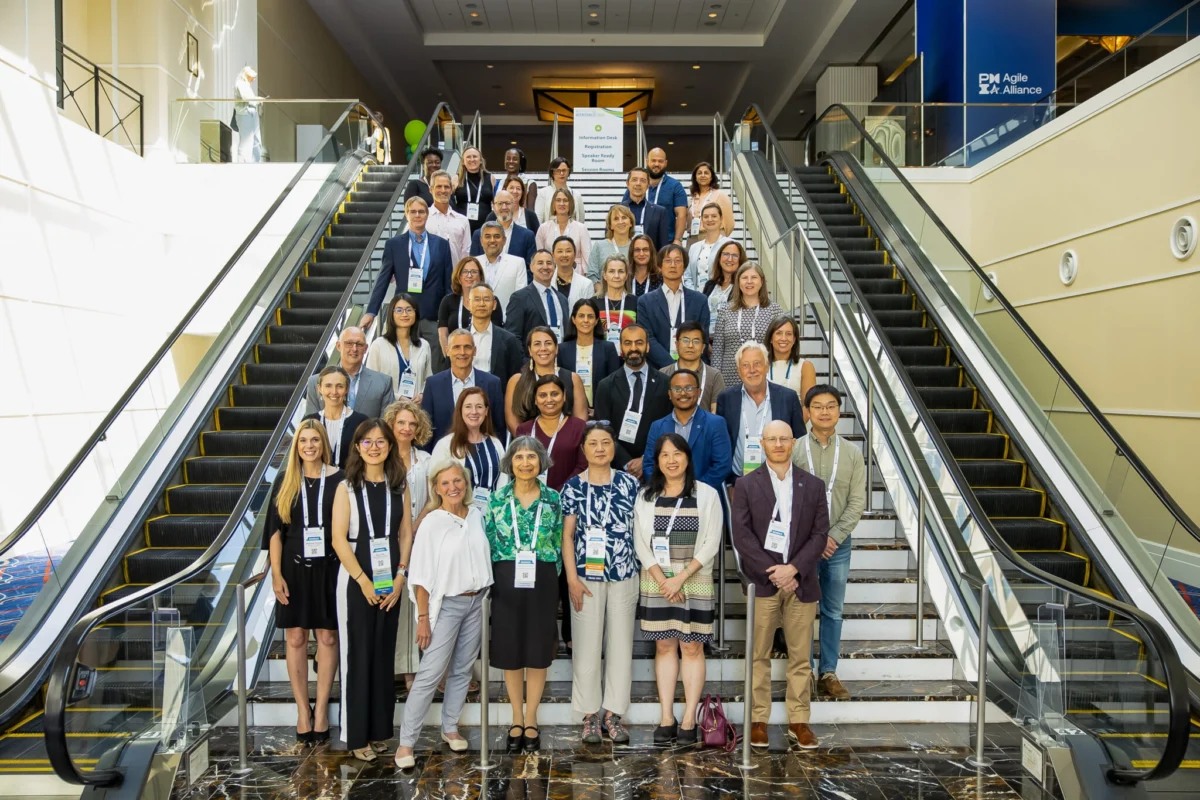
Serving as the 2025–2026 President, Dr. Moustaid-Moussa’s tenure reached its apex at NUTRITION 2026, a landmark gathering that brought together nearly 3,000 scientists, clinicians, educators, students, and allied health professionals from 57 countries, including the United States and U.S. minor outlying islands. The event served as a vibrant dynamic hub for sharing discoveries, challenging prevailing paradigms, fostering critical mentorships, and shaping the trajectory of modern nutrition science.
Reflecting on the past year, Dr. Moustaid-Moussa emphasized that her presidential vision centered on expanding ASN’s reach and impact through vital global partnerships and an integrative "One Health" framework. This holistic approach explicitly connects human nutrition with broader agricultural practices, environmental health, and complex food systems.
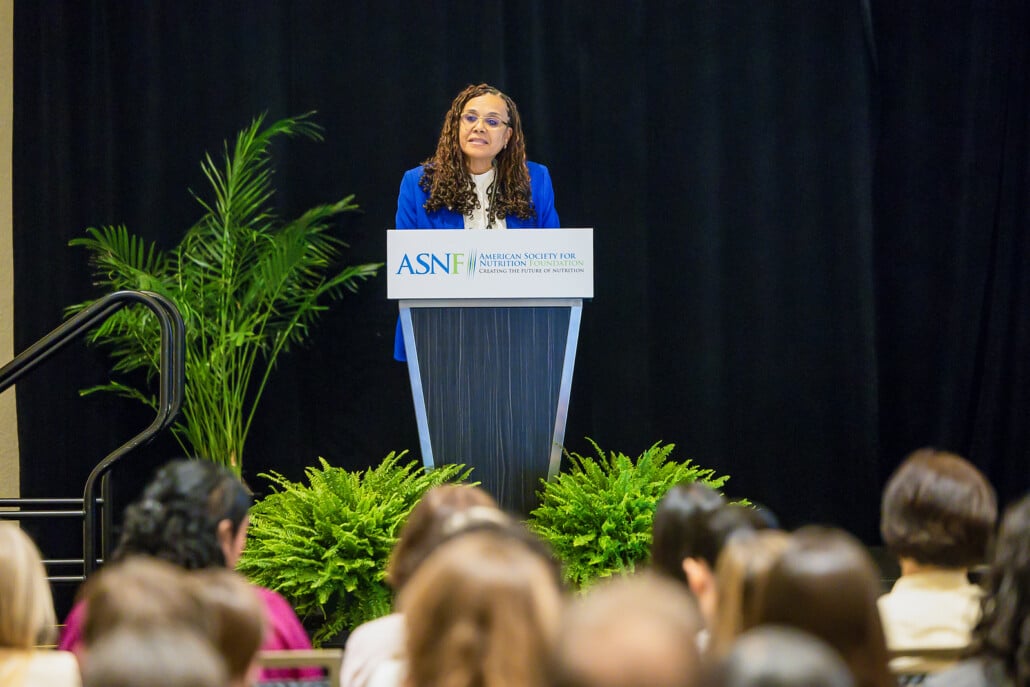
The scientific program at NUTRITION 2026 spanned more than 2,000 presentations over four days, covering an expansive array of disciplines from basic molecular research to clinical and population-level public health interventions. The meeting kicked off with a pre-conference workshop exploring Artificial Intelligence and Precision Nutrition, casting a spotlight on the National Institutes of Health’s (NIH) Nutrition for Precision Health initiative, which is powered by the All of Us Research Program.
Core scientific sessions throughout the week tackled pressing contemporary issues, including the health impacts of ultra-processed foods, the expanding "Food is Medicine" movement, innovative infant nutrition strategies, and the design of sustainable food systems.
For the first time in the history of ASN meetings, the Presidential Symposium zeroed in on a sweeping global theme: "One Health in a Global Context: At the Crossroads of Food Systems, Nutrition, and Human Health." The high-profile session featured keynote addresses from world-renowned leaders, including Dr. Ismahane Elouafi, Executive Managing Director of the Consultative Group on International Agricultural Research (CGIAR), and Dr. Tahmeed Ahmed, Executive Director of the International Centre for Diarrhoeal Disease Research, Bangladesh (icddr,b). Both leaders, recognized among TIME magazine’s 100 Most Influential People of 2025, shared vital perspectives on utilizing climate-resilient agriculture, diversified food systems, and locally driven community interventions to ameliorate diets and health outcomes, particularly for vulnerable women and children in climate-stressed and food-insecure regions.

The meeting also opened with a compelling crossroad discussion on dietary guidance, chaired by field pioneer, Distinguished Fellow, past ASN President, and National Academy of Medicine member Dr. Johanna Dwyer. Joined by former Dietary Guidelines Advisory Committee members Dr. Sarah Booth, Dr. Hollie Raynor, and Dr. Bruce Y. Lee, the panel engaged attendees in a robust dialogue regarding the evidence base underpinning national dietary recommendations, the practical challenges of translating science into public policy, and pathways for strengthening future guidelines through transparent and constructive engagement.
Despite significant strides in discovery and innovation over the past year, Dr. Moustaid-Moussa’s presidential report did not shy away from addressing the systemic challenges confronting the scientific community. Researchers across academic, clinical, and institutional settings faced ongoing uncertainty surrounding federal research funding, training opportunities, and career pathways. Furthermore, the field confronted mounting concerns regarding scientific rigor and integrity, the spread of public misinformation, and the demand for absolute transparency.
Emphasizing that the foundations of science—including rigorous peer review, open exchange of ideas, and sustained investment in research infrastructure and workforce development—remain non-negotiable for future discovery, Dr. Moustaid-Moussa reaffirmed ASN’s unwavering commitment to championing evidence-based nutrition.

This dedication to quality and trust is mirrored in the performance of ASN’s four premier peer-reviewed journals: Advances in Nutrition, The Journal of Nutrition, Current Developments in Nutrition, and The American Journal of Clinical Nutrition. All four publications achieved notable increases in their Impact Factors over the past year. Dr. Moustaid-Moussa noted that these performance metrics reflect the fundamental strength of peer-reviewed science and the public trust placed in rigorous research to inform health policy and improve human lives.
NUTRITION 2026 provided a platform to honor the exceptional individuals who form the backbone of the Society. The community paused to remember esteemed members who passed away during the past year, acknowledging their enduring scientific achievements and legacy of mentorship.
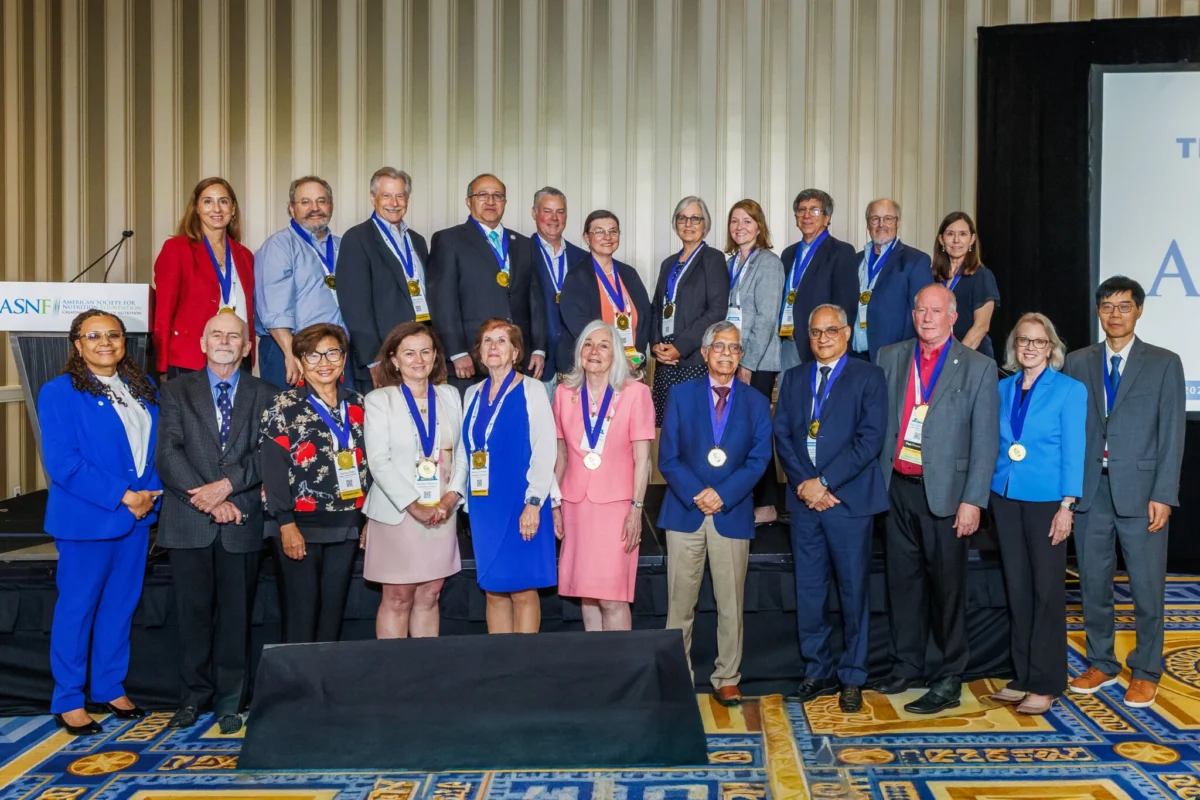
The Society celebrated the second cohort of 69 Excellence in Nutrition Fellows, recognizing their outstanding professional contributions to nutrition science, education, and practice. In addition, ASN Foundation Chair Paul Coates joined Dr. Moustaid-Moussa in formally inducting the 21 members of the Class of 2026 Distinguished Fellows during the annual Fellows Lunch. The Distinguished Fellow designation represents ASN’s highest honor, reserved for members with more than 30 years of dedicated service whose careers have demonstrated sustained excellence and profound impact on the field. The Society also paid tribute to senior members with more than five decades of continuous membership, as well as past presidents whose enduring leadership has fortified the organization over generations.

Reviewing the core pillars of her presidential term, Dr. Moustaid-Moussa highlighted several key milestones achieved in collaboration with ASN leadership, volunteer committees, Chief Executive Officer Dr. John Courtney, and the dedicated headquarters staff.
Membership in the Society reached a historic milestone, surpassing 9,000 members. This growth was propelled by strategic initiatives, including collaborations with Academic Nutrition Departments and Programs (ANDP), the American Society for Nutrition Foundation (ASNF) Presidential Student Scholarships, and expanded international outreach.
On the public policy and advocacy front, ASN actively engaged with federal agencies such as the NIH and the U.S. Department of Agriculture (USDA). Notably, ASN led the Friends of ONR coalition in successfully advocating for a historic increase in research funding for the NIH Office of Nutrition Research (ONR) for Fiscal Year 2026.

Efforts to broaden the scope of nutrition through the transdisciplinary lens of One Health resulted in stronger cross-sector partnerships, integrating environmental and agricultural sciences into mainstream nutrition dialogue. ASN also advanced regional engagement by co-sponsoring topical symposia, such as the 22nd Annual Russell Klein Nutrition Research Symposium held at The Ohio State University.
Additional organization-wide initiatives progressed smoothly over the year. These included the rollout of the Laboratory Animal Nutrition Taskforce for an Education and Research Network (LANTERN) action plan aimed at standardizing rigor in animal diet design, ongoing preparations alongside the ASNF for the upcoming ASN Centennial in 2028, and record-breaking engagement among the Society’s Sustaining Partners.
Feedback gathered from the 2026 member survey underscored high overall satisfaction, with members pointing to annual meetings, peer-reviewed journals, and networking opportunities as primary benefits of membership. While career stages influenced individual priorities—with early career scientists emphasizing the need for mentorship, collaboration, and professional networking—the survey data will directly inform ASN staff strategies for future member engagement and recruitment.

As her presidential term concludes, Dr. Moustaid-Moussa expressed profound gratitude to her colleagues, institutional supporters including Texas Tech University and Texas Tech Health Sciences, her laboratory team, and her family for their unwavering encouragement. Expressing immense confidence in the future of the Society, she noted that the collaborative spirit of the nutrition community will continue to drive scientific progress, elevate patient care, and impact public health for decades to come.