 11
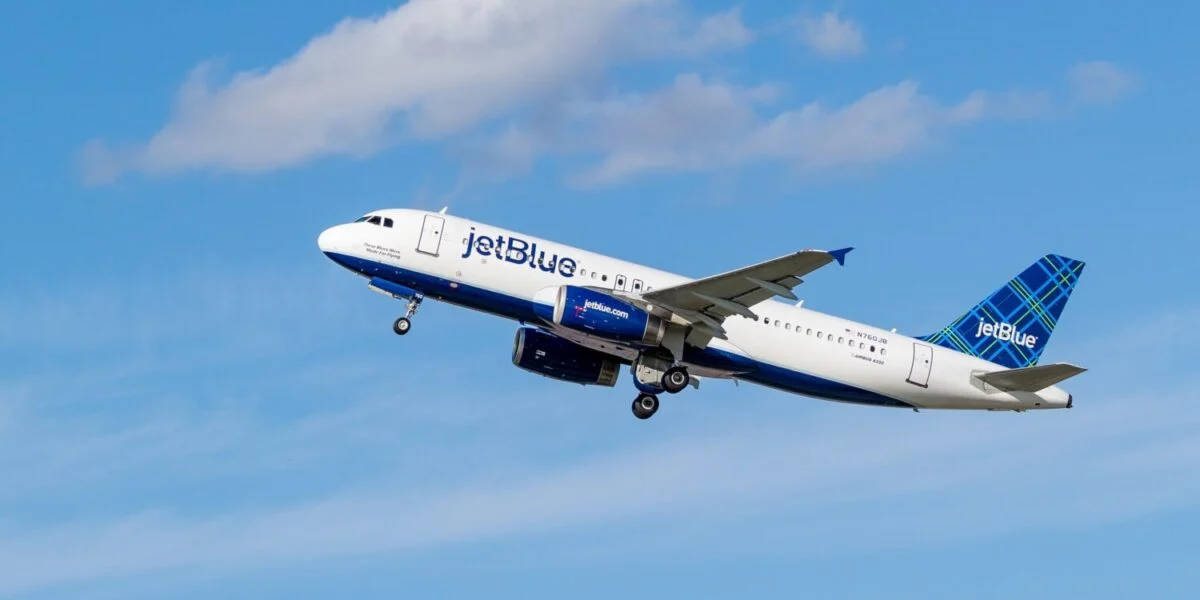
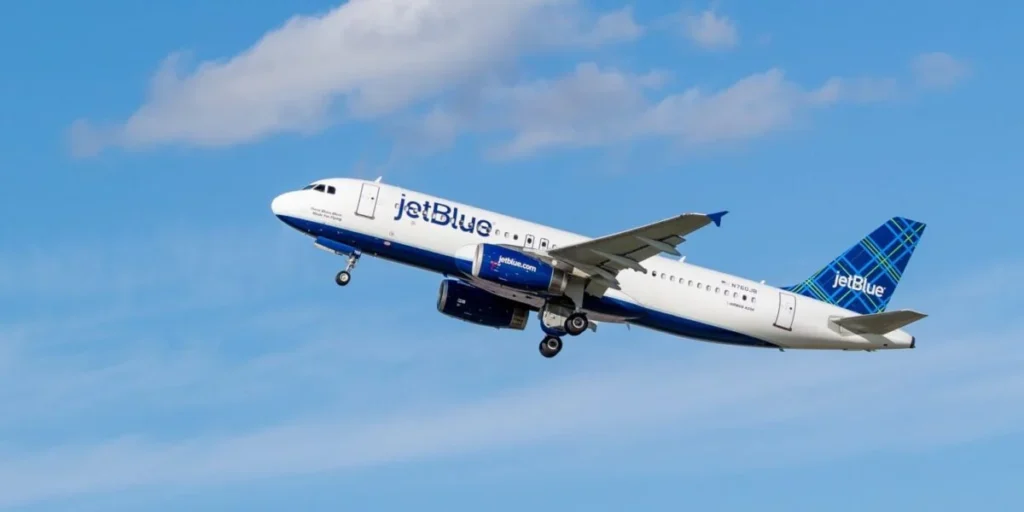
For the second time this year, JetBlue has raised its checked baggage fees, establishing a new baseline of at least $50 each way for travelers. The quiet adjustment, implemented for tickets booked on or after November 3, threatens to trigger another chain reaction of baggage fee increases across the wider U.S. airline industry, echoing a similar trend seen earlier in the year.
JetBlue previously led the major domestic carriers in raising bag fees last spring following the onset of the war in Iran and a subsequent surge in jet fuel prices, which pushed the cost of a checked bag to at least $39 each way by late March. With the latest update, passengers checking their first bag on flights within the United States, Latin America, the Caribbean, and Canada will now pay a minimum of $50 each way. Fees for a second checked bag have also risen, increasing from $59 to $70 each way.
The increases extend beyond regional routes. Passengers purchasing the airline’s cheapest basic economy fares for transatlantic flights to Europe will now face higher baggage charges as well, with the fee climbing from $60 to $80 each way. However, exemptions remain in place for premium travelers. JetBlue Mint and BlueFirst passengers will continue to receive at least one checked bag free of charge, a benefit shared by travelers holding elite Mosaic status or those carrying co-branded credit cards such as the JetBlue Premier World Elite Mastercard. Travelers who booked their JetBlue flights prior to November 3 will be grandfathered in and will pay the older, lower rates.
The financial impact of these changes becomes even more pronounced when factoring in seasonal travel dates and booking methods. The base rate of $50 each way applies specifically to off-peak travel dates when passengers add their bags online more than 24 hours before scheduled departure. For travelers flying during peak periods—which encompass major holidays and virtually the entire summer season from late May through early September—the cost jumps to at least $55 in each direction. According to the airline’s calendar, March stands out as the only month in 2027 completely free of designated peak travel dates.
These elevated fees apply broadly across standard fare categories, including Main and Main Flex fares, for flights within the U.S., Canada, and Latin America, rather than being restricted solely to basic economy tickets. Furthermore, passengers checking a third bag face an even steeper penalty, with a flat fee of $200 regardless of the season or travel dates.
The cumulative financial burden on families and frequent flyers can quickly escalate. For example, a round-trip journey during the upcoming peak holiday season, such as the Thanksgiving and Christmas rushes, could cost a traveler $140 for a single checked bag if paid at the airport. Similarly, a couple traveling together and checking two bags each could easily spend more than $600 exclusively on baggage fees for a single trip.
JetBlue officially confirmed the fee adjustments, attributing the decision to persistent macroeconomic pressures within the aviation sector. A company spokesperson stated that the airline is adjusting checked bag fees to help offset rising fuel and operating costs, noting that the measure helps keep base ticket prices competitive while giving customers the choice to pay for a checked bag only if they require one.
Industry analysts suggest, however, that these changes could easily spread to rival carriers due to the competitive dynamics of the commercial aviation market. Following JetBlue’s initial fee hike in late March, every major U.S. airline matched the increases within a matter of weeks.
While the carrier explicitly tied its previous bag fee increase to soaring jet fuel prices, current market conditions reveal an additional layer of financial pressure. JetBlue is currently navigating a challenging financial period, having reported a net loss of $257 million in the third quarter of the year. This performance has intensified market speculation regarding the airline’s financial stability, though company leadership recently denied rumors of ongoing discussions with creditors.

Raising ancillary fees like baggage charges provides airlines with a reliable mechanism to increase revenue without altering their public-facing ticket prices. Because JetBlue lacks the premium pricing power enjoyed by legacy carriers like Delta Air Lines or United Airlines, its core customer base remains highly price-sensitive. Higher baggage fees do not appear when consumers compare baseline fares on online aggregators like Google Flights, allowing the airline to protect its perceived value while securing vital revenue.
Another potential driver behind the fee structure is the incentivization of co-branded credit card sign-ups. JetBlue’s credit cards, such as the Plus Card, waive the fee for a first checked bag. With checked bag fees now ranging from $50 to $80 each way, the annual fee for the card can effectively pay for itself within a single round-trip journey, providing JetBlue with a steady, reliable stream of partnership revenue from its bank partner, Barclays.
Ultimately, the updated fee schedule marks another notable increase in the cost of air travel, forcing passengers to budget carefully for baggage. With a history of competitors mirroring JetBlue’s pricing adjustments, travelers across the broader airline industry are bracing for the possibility of higher baggage fees across the board.