 11
In the wake of a highly contentious electoral cycle, Americans across the country are grappling with the shifting political landscape, leading to a wave of dramatic family confrontations, silent group chats, and public expressions of disbelief. As the final results settled following the November 4, 2026, midterms, citizens took to online forums, local community spaces, and social media platforms to document the unfiltered reactions of friends, relatives, and media pundits. From heated household arguments over shifting state demographics to eerie silences in historically active family group chats, the cultural aftermath of the election has provided a fascinating window into how deeply political polarization permeates everyday American life.
The emotional fallout has manifested in sharply contrasting ways depending on political affiliation. While some voters celebrated unexpected victories or shifts in traditional strongholds, others experienced profound disillusionment, resorting to apocalyptic rhetoric or sudden retreats from public discourse. Observers noted that the psychological toll of the election cycle seemed to reach a boiling point within domestic settings, transforming routine family dinners and casual conversations into ideological battlegrounds.
Among the most common themes reported by citizens navigating the post-election atmosphere is the sudden and volatile shift in family dynamics. For many young adults living with or visiting older relatives, the results triggered immediate and explosive reactions. One anonymous poster shared an account of watching election returns with family, noting how a simple, innocuous observation about changing political trends in Texas provoked a furious tirade. According to the account, mentioning that a traditionally red state appeared to be turning blue unleashed a storm of warnings regarding tax burdens, geopolitical threats, and an impending loss of housing security, despite the speaker having made no broader political commentary.
Similarly, other households experienced generational clashes over the fundamental mechanics of the democratic process. One individual recounted a father-in-law vehemently arguing that citizens under the age of 21 should be stripped of their voting rights, while simultaneously decrying the influence of urban centers in modern elections. According to the report, the relative insisted that the state-level representation system was inherently unfair to rural populations, dismissing any historical counterarguments and refusing to find compromise in the ongoing debate over representation.
The tension has also extended into financial and personal wagers within families. One citizen described an encounter with a far-right grandmother who was so confident in a sweeping Republican victory across both chambers of Congress that she proposed a hundred-dollar bet. Eager to avoid what the poster termed a "generational crashout," the individual hesitated, fully aware that a reality check regarding the legislature’s outcome would lead to prolonged ideological lectures.
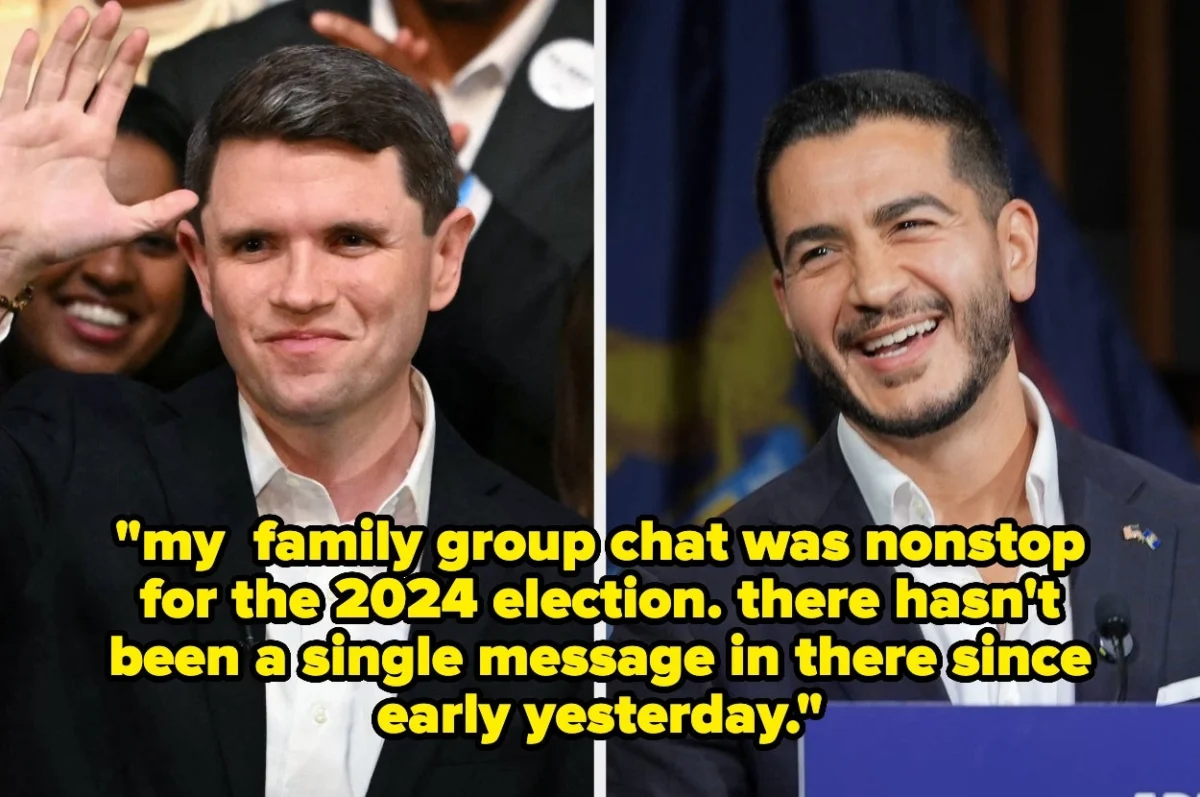
In some cases, however, the silence was deafeningly peaceful. Several individuals reported a sudden cessation of political discourse in environments typically saturated with partisan commentary. One person noted that a dinner with a mother-in-law marked the first time in a decade that politics failed to arise during the meal, describing the reprieve as glorious. Others highlighted how family group chats that had buzzed incessantly throughout the 2024 and 2026 campaign cycles had gone completely dead, leaving participants feeling a sense of quiet vindication.
Social media platforms have served as primary barometers for the post-election mood, capturing both the euphoria of political opponents and the despair of the defeated. Users observed that local community pages, normally dominated by partisan talking points and conservative messaging, experienced a stark drop in engagement. Observers described visiting these digital spaces specifically to watch for signs of distress, only to find an unexpected and telling quietude.
Conversely, online spaces also amplified deeply held fears and religious interpretations of the election outcomes. When confronted about displaying sore-loser tendencies, one user’s mother responded with an expansive theological defense, arguing that the election results signaled a moral decline and warning of impending divine judgment. The message reflected a broader sentiment among segments of the conservative base that viewed the outcome not merely as a political defeat, but as a spiritual turning point for the nation. Other family members echoed similar sentiments, shifting their focus from political optimism to fatalistic declarations that worldly governance mattered little compared to spiritual salvation.
Public spaces and media outlets offered a parallel spectacle as commentators and pundits processed the results in real time. Observers in local establishments and bars noted the visible stages of grief displayed by cable news viewers, transitioning rapidly from skepticism about the validity of the vote to outright claims of electoral manipulation, before finally settling into a broader disillusionment with the entire political establishment. Meanwhile, media analysts monitoring partisan networks described the on-air commentary as resembling a somber memorial service, with hosts struggling to spin the results or find a cohesive narrative to explain the shift in momentum.
As the dust settles on the recent elections, the recorded experiences from living rooms, workplaces, and digital forums underscore the enduring challenge of political polarization in contemporary society. Whether expressed through celebratory schadenfreude, theological warnings, or the simple relief of a quiet family dinner, the cultural reverberations of the vote highlight a nation still deeply divided along ideological lines, searching for stability in an unpredictable political climate.