 111
 2
 3
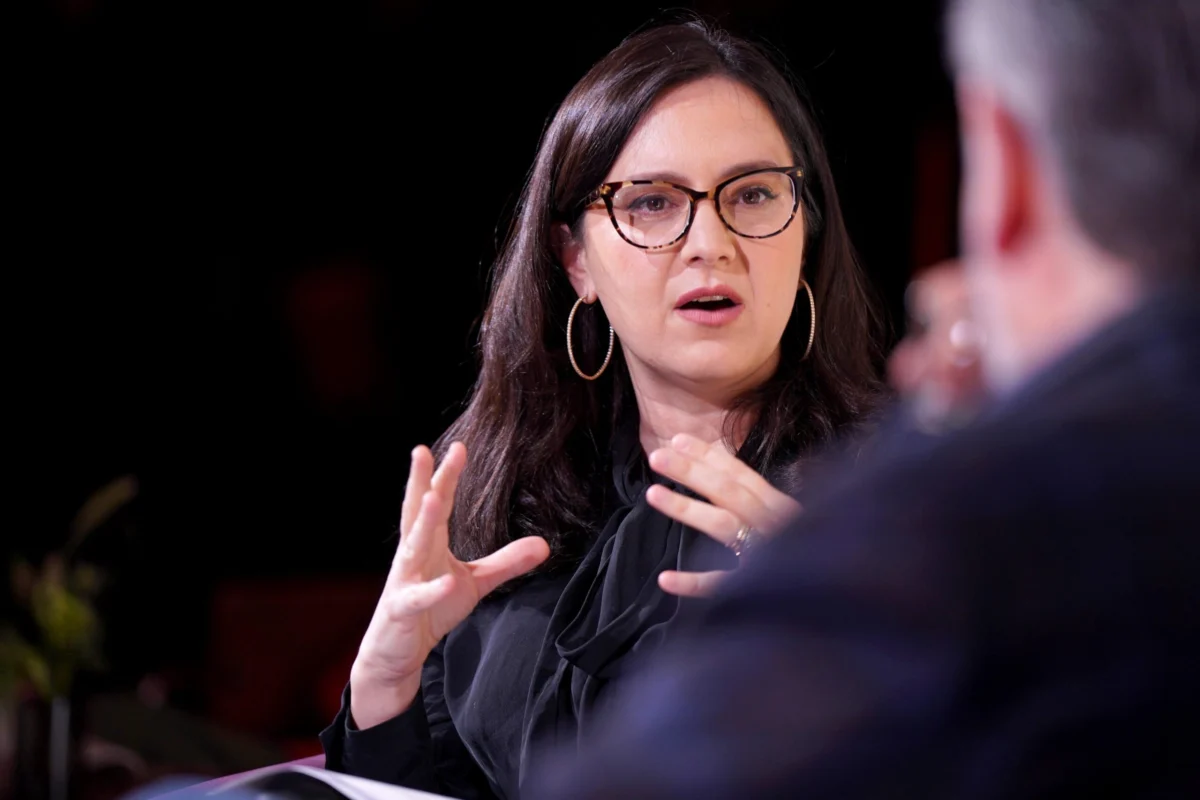
As millions of Americans tuned in across the country to watch midterm election returns roll in on Tuesday night, major broadcast and cable networks competed aggressively for viewers eager for up-to-the-minute analysis. While competitors enjoyed robust audiences, CBS News once again found itself struggling, capturing a distant last place among major networks in a performance that underscores its ongoing ratings challenges.
The dismal showing comes during a period of sweeping transformation at the network following its takeover by David Ellison at Paramount. Under Ellison’s leadership, the network appointed Bari Weiss as editor-in-chief, initiating a controversial editorial overhaul that has faced heavy scrutiny from industry observers, internal staff, and viewers alike. Tuesday night’s numbers suggest just how far the historic broadcast news division has fallen during this transition, lagging significantly behind both its traditional broadcast rivals and major cable news channels.
According to early Nielsen data cited by Brian Steinberg, a senior TV editor for Variety, CBS News’s election night coverage was the least watched among the major broadcast networks, which include NBC and ABC. Furthermore, the data showed that CBS trailed behind prominent cable networks such as CNN, Fox News, and MS NOW.
During the crucial primetime hours, CBS News drew approximately 2.6 million total viewers, which included roughly 715,000 viewers in the key demographic of adults aged 25 to 54. In sharp contrast, the three major cable news networks each pulled in an average of roughly 3.9 million viewers during the same time period, demonstrating a stark divide in viewer engagement on a night traditionally dominated by television news consumption.
A broader breakdown of average primetime viewership shared by CNN Chief Media Analyst Brian Stelter on social media highlighted the exact placement of each network. NBC led the pack with an impressive 6.52 million viewers, followed closely by ABC with 4.91 million. Among cable outlets, CNN brought in 3.93 million viewers, closely trailed by MS NOW with 3.92 million and Fox News with 3.88 million. CBS brought up the rear with its 2.63 million viewers.
Meanwhile, competitors capitalized heavily on innovative digital and on-screen strategies to capture audiences across multiple platforms. NBC News announced that its election night coverage drew a record 29 million views across social media platforms, bolstered heavily by chief data analyst Steve Kornacki. Kornacki, widely recognized by viewers for his trademark energetic tracking of race results on an interactive board, spent ten and a half hours anchoring screens nationwide. His dedicated digital feed, known as the "Kornacki Cam," drew twice as many live viewers on YouTube as its main television and digital competitors.
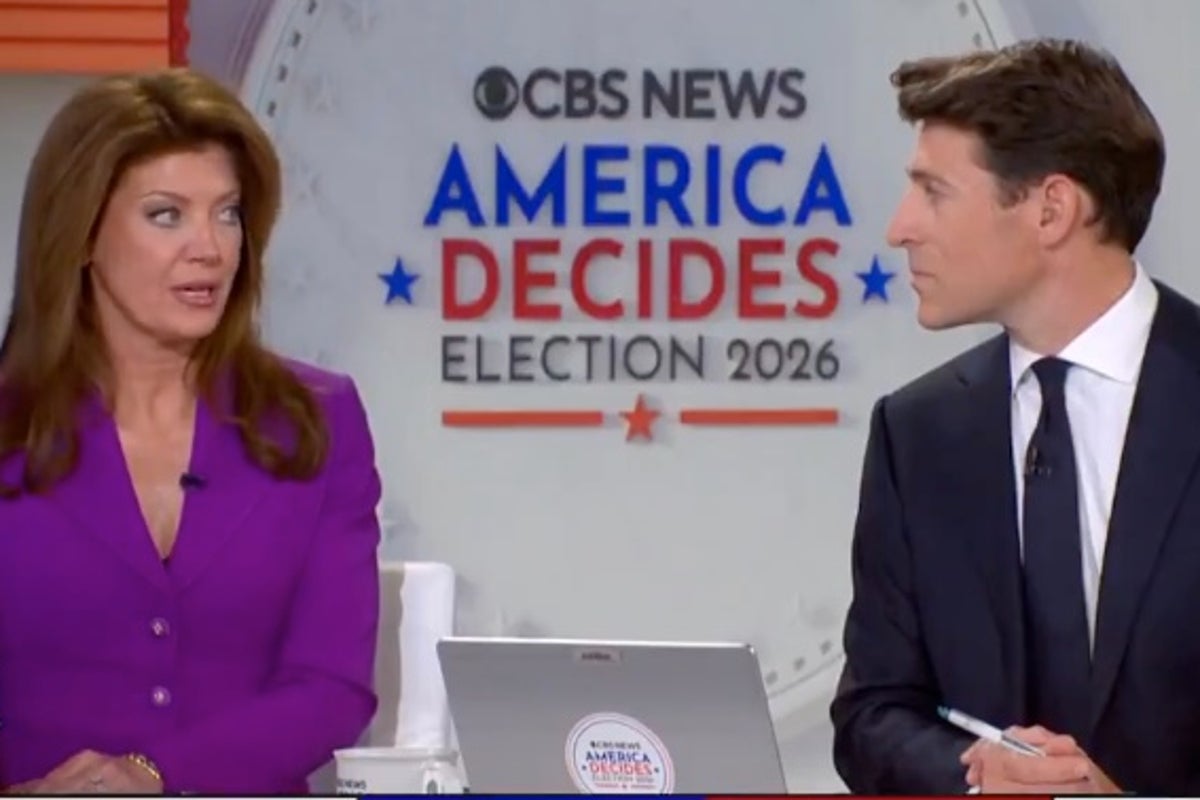
For CBS News, finishing at the bottom of the ratings is part of a broader pattern that has plagued the network for months. Its signature evening broadcast has experienced persistent struggles under the stewardship of Tony Dokoupil, who took over the anchor desk last January in a move that immediately sparked internal debate and external criticism.
According to Nielsen data reported by Adweek in September, the CBS Evening News averaged 4.04 million total viewers last season, marking a 3 percent decline. While the program experienced a brief bump during the week of October 19, drawing 4.63 million viewers—a 10 percent increase according to subsequent Nielsen figures cited by Adweek—it still lagged far behind its competitors. During that same week, NBC’s Nightly News with Tom Llamas brought in 6.72 million viewers, while ABC’s World News Tonight with David Muir dominated the slot with 8.84 million viewers.
Dokoupil’s transition from CBS Mornings to the flagship evening program last winter generated immediate friction within the network. At the time of his debut, one CBS staffer went so far as to tell reporters that Dokoupil had effectively turned the Evening News into "state TV," reflecting deep ideological divisions and employee unease regarding the new editorial direction.
At the same time, editor-in-chief Bari Weiss has faced her own wave of controversy over high-profile editorial decisions and managerial changes. Early in her tenure, Weiss drew intense internal and external backlash when she chose to pull a planned 60 Minutes segment regarding Venezuelan migrants who had been sent by the Trump administration to CECOT, a notoriously harsh prison in El Salvador accused of severe human rights violations and inhumane conditions. Although the segment eventually aired nearly a month later, the delay fueled perceptions of editorial interference.
The tension at the network extended into the prestigious 60 Minutes team itself during a sweeping operational shakeup last May. That day, colloquially dubbed "Black Thursday" by staff, saw the ouster of Executive Producer Tanya Simon, alongside her deputy, Draggan Mihailovich, and prominent correspondents Cecilia Vega and Sharyn Alfonsi.
The combined impact of these rapid shifts has left morale bruised and communication fractured between the newsroom floor and top executive offices. Last month, internal discontent spilled over into public view when a network insider spoke to Page Six regarding the ongoing leadership style of the editor-in-chief. The source complained that staff concerns were frequently ignored, stating that Weiss often pretends to listen to ideas but ultimately fails to take staff feedback into account when executing her vision for the network.