 111
 2
 3

Even with the most dedicated efforts from parents and educators to foster a comfortable and encouraging environment for reading, many children continue to experience significant reading anxiety, reluctance, or even avoidance. For some young learners, these challenges stem from unresolved reading trauma resulting from years of past reading difficulties and repeated failures in the classroom. Recognizing these hidden emotional and psychological barriers is becoming an increasingly vital focus for adults striving to support struggling students.
To address these complex challenges head-on, the annual Close the Reading Gap Summit is scheduled to take place, featuring a comprehensive lineup of experts dedicated to transforming how adults approach literacy development. Set to begin on October 19th, this completely free online event is specifically designed for both parents and educators who are searching for actionable strategies to support children who resist literacy tasks. This year’s overarching theme centers entirely on Helping the Reluctant Reader, offering a deep dive into the psychological and pedagogical approaches necessary to turn the tide for discouraged students.
Children who actively resist reading are frequently misunderstood by adults in their lives. Organizers and speakers at the upcoming summit emphasize that these students are not lazy, nor are they simply misbehaving. Instead, they are often deeply frustrated, exhausted by the continuous feeling of doing things incorrectly, or disheartened by a lack of visible progress. According to event organizers, this dynamic can be successfully turned around. Helping a reluctant reader achieve success often hinges on straightforward methodologies that are not overly difficult to implement, provided that parents and teachers know what to do and possess the right tools in their instructional toolbox. Attendees of the upcoming summit will discover how to effectively flip the script on reading resistance.
Because literacy development is holistic and reading and writing naturally go hand in hand, the event will also feature a dedicated focus on writing. A special section of the summit will explore how to transition reluctant writers into confident and capable individuals, often referred to as Brave Writers. Organizers encourage interested participants to secure their spots promptly through the registration link provided by the event organizers, noting that this is an opportunity that educators and caregivers will not want to miss.
The summit is structured across a multi-day schedule, with each day dedicated to specific aspects of literacy intervention, emotional understanding, and pedagogical strategy. The comprehensive daily speaker lineup highlights leading voices in the field of education, psychology, and literacy research.
The opening day of the summit sets the foundational tone for understanding and addressing reading reluctance. Featured speakers for Day One include Dr. Louisa Moats, Nora Chahbazi, Emily Gibbons, and Dr. Marnie Ginsberg. These renowned experts bring extensive experience in structured literacy and evidence-based reading instruction, offering attendees critical insights into how foundational decoding and language comprehension issues contribute to student reluctance.

Focusing on the interconnected nature of literacy, Day Two centers entirely on writing instruction. Noted author, educator, and writing expert Julie Bogart takes center stage to share methods for reducing writing anxiety in children. This session is designed to help parents and teachers transform hesitant writers into expressive, confident participants in the writing process.
Addressing the emotional and cognitive barriers that keep children from engaging with texts, Day Three delves into the psychology of reading refusal. Speakers Dr. Melanie Wilson, Melanie Jeffrey, and Sarah Collins will discuss practical techniques for keeping learning tasks bite-sized, utilizing effective scaffolding methods, and fundamentally flipping the script on negative reading associations.
Day Four shifts toward instructional design and classroom practices that ensure every student experiences academic success. Educators Kurt Engelmann and Sherrie Rain will lead discussions on designing learning environments and instructional frameworks that remove unnecessary barriers and set students up for continuous achievement rather than frustration.
Exploring the linguistic and creative dimensions of language, Day Five highlights ways to generate genuine student interest in reading through morphology and poetry. Dr. Pete Bowers and Dr. Tim Rasinski will share engaging, word-study-based approaches that make discovering language both intellectually stimulating and enjoyable for children.
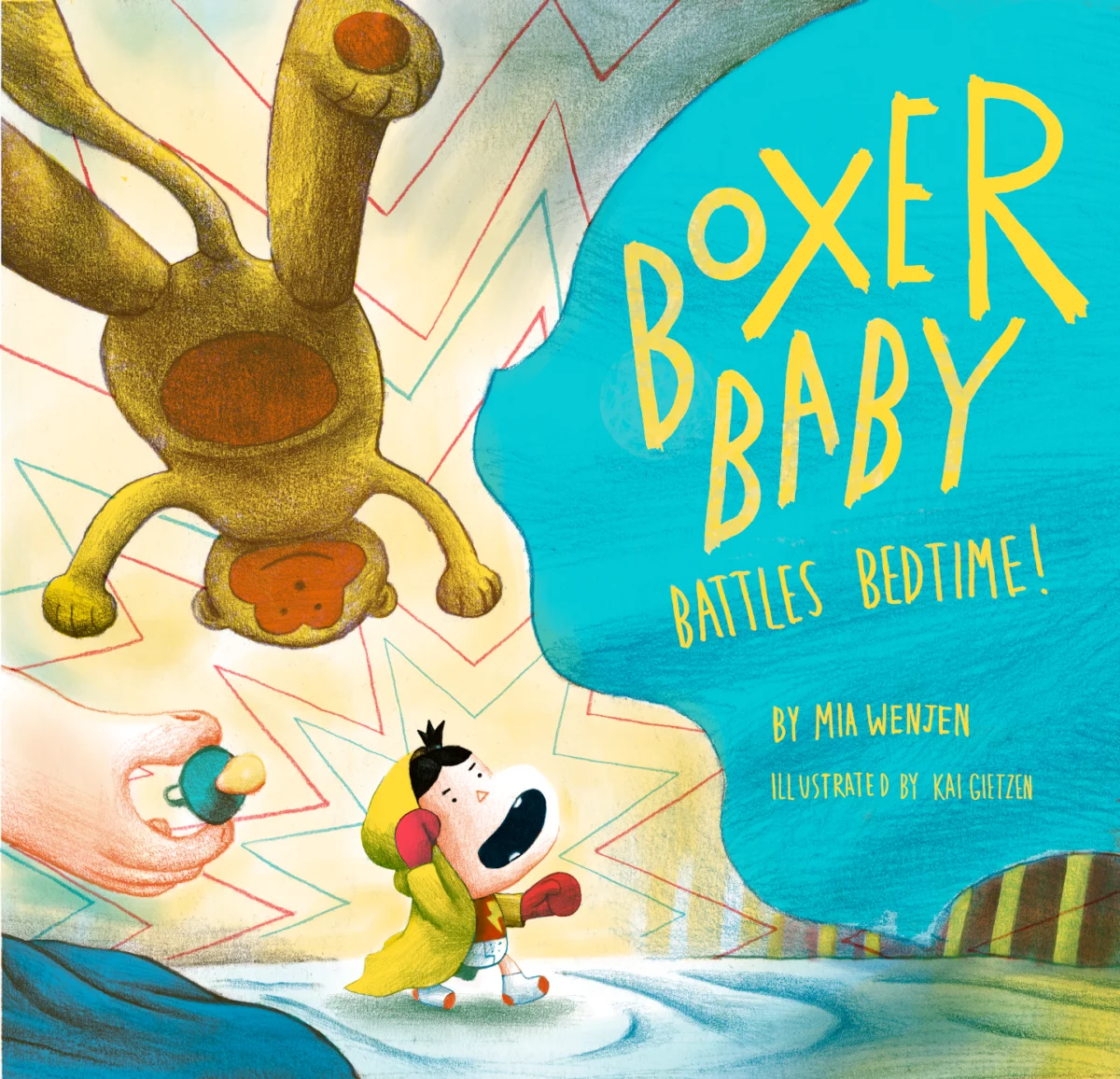
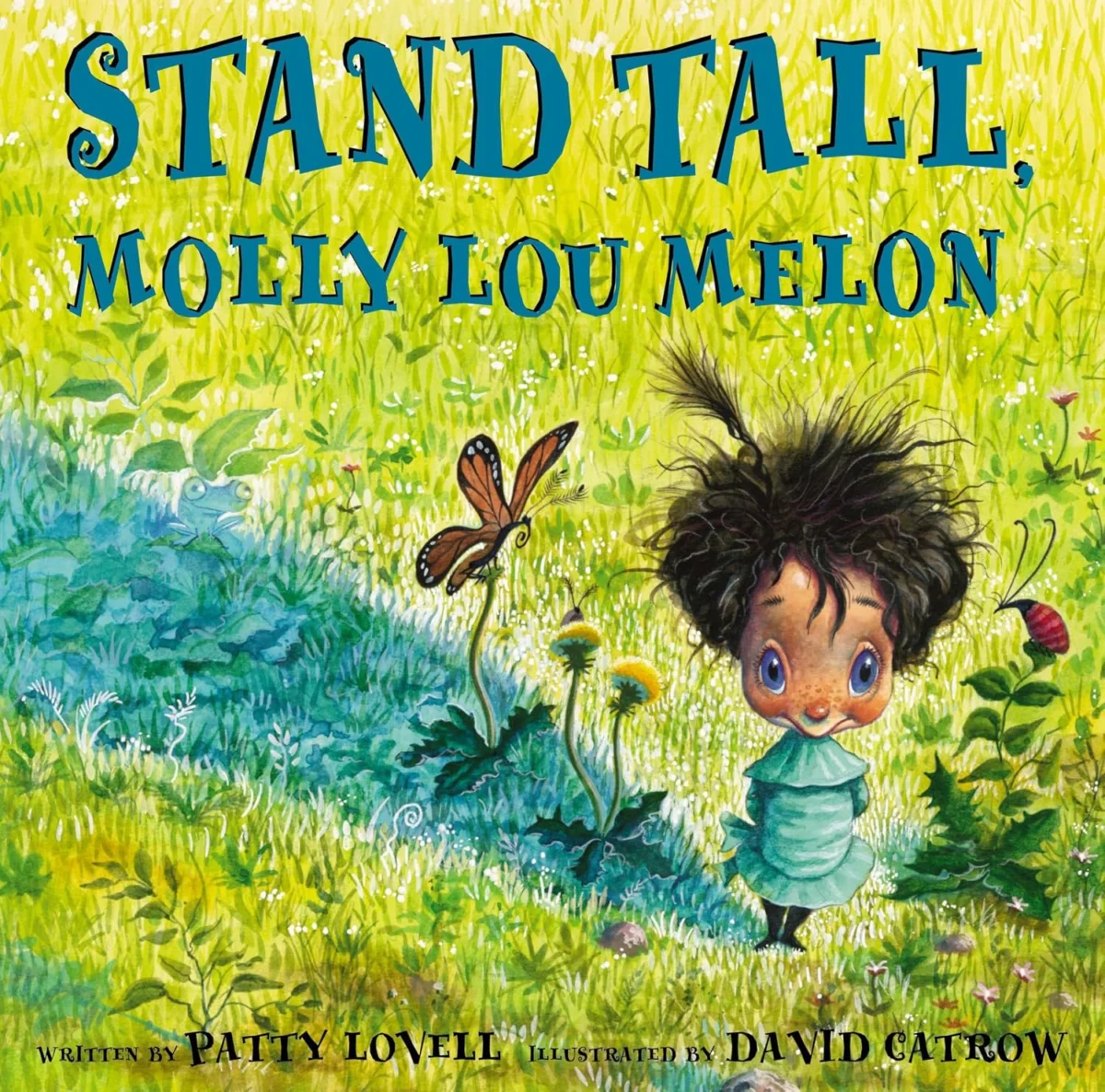
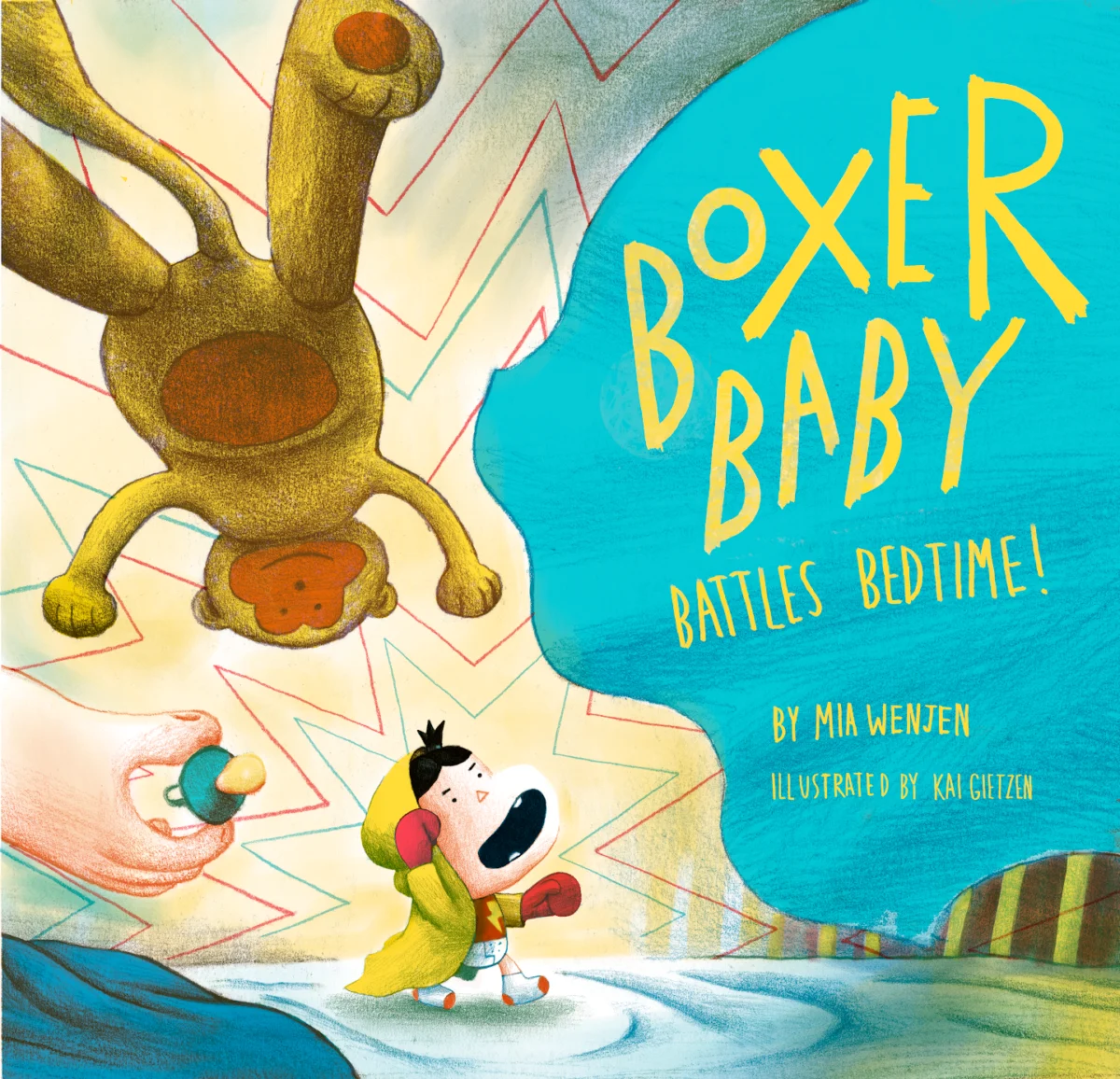
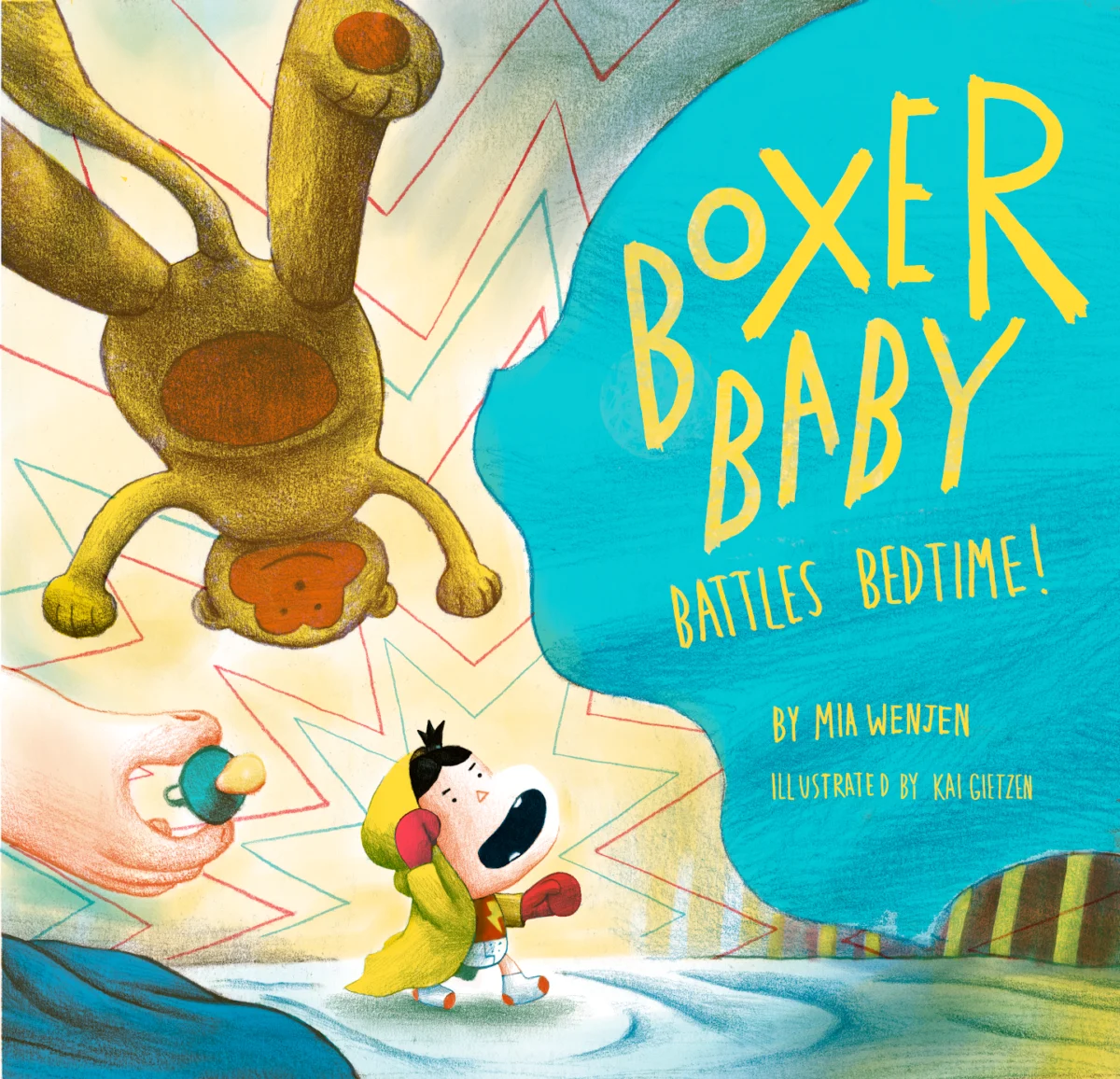
Finding the right text can often be the single most powerful catalyst in a child’s reading journey. Day Six focuses on the strategic use of captivating literature as a secret weapon for educators and parents. Speakers Mia Wenjen, Joanne Kaminski, and Lori Josephson will explore how curated book selection can spark intrinsic motivation and hook even the most stubborn reluctant readers.
The final day of the summit provides additional advanced strategies and actionable insights for maintaining momentum and securing long-term literacy success. Presenters Emily Laidlaw and Kim Yarson will share further proven techniques for winning over reluctant learners and building sustainable, positive reading habits at home and in the classroom.