 11
As the autumn season settles in, educators and parents continually seek innovative ways to harness the vibrant imagery of falling leaves, acorns, and pumpkins to engage young minds. This week, a new hands-on craft initiative is capturing attention for its dual focus on artistic expression and physical development, offering a structured yet playful method to build hand strength and fine motor control in toddlers and preschoolers.
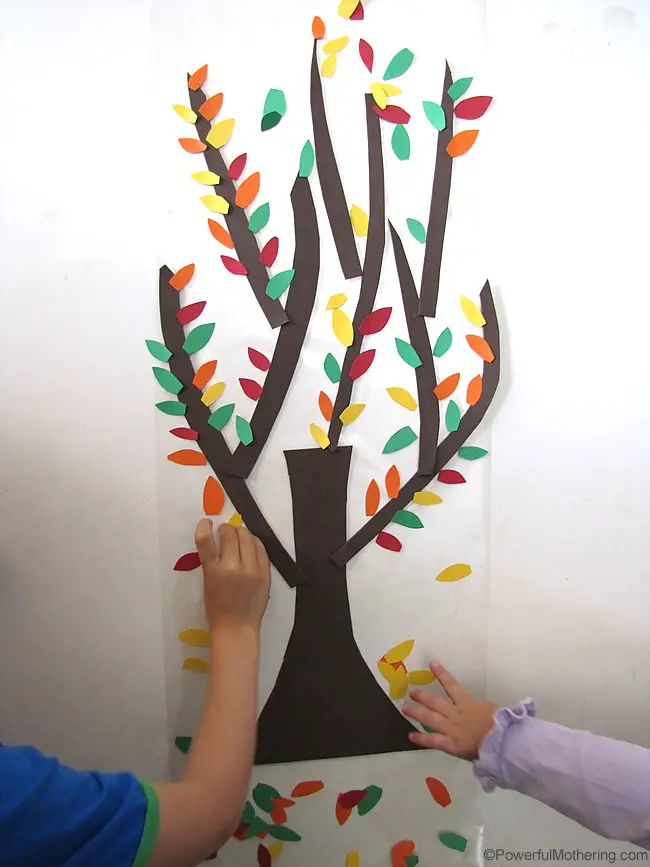
Designed for children in their early developmental years, the fall-themed project centers around the creation of a large, interactive autumn tree display. Early childhood development experts have long emphasized the importance of fine motor skills—the coordination of small muscles in movements involving the hands and fingers—as a foundational element for future tasks such as writing, cutting, and self-care. Seasonal crafts that require pinching, placing, and manipulating small paper objects provide an ideal medium for exercising these crucial muscle groups without feeling like traditional exercises.
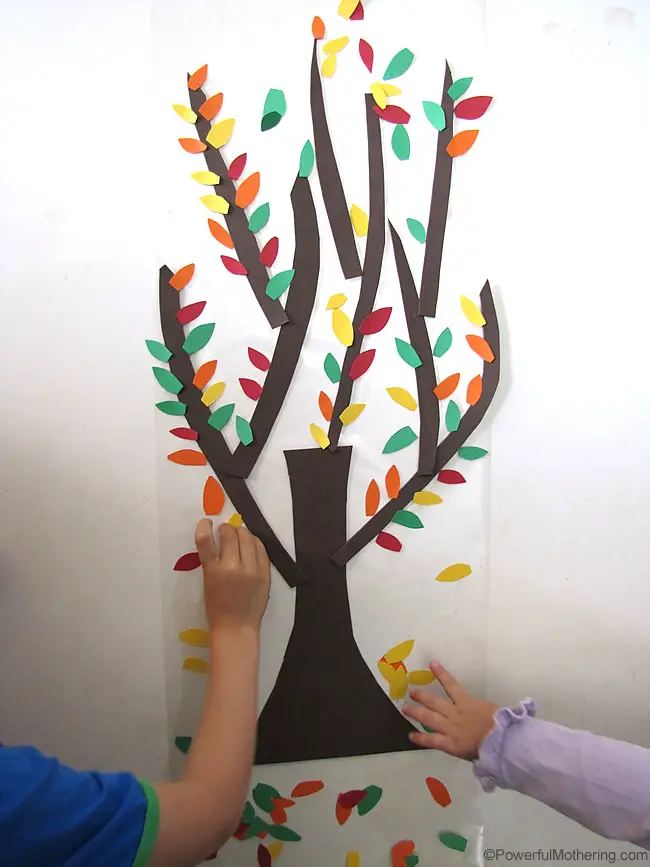
The project utilizes accessible, everyday art supplies, making it easily adaptable for both home and classroom environments. Central to the activity is the use of contact paper secured to a vertical surface, such as a wall or window, using painters tape. This vertical orientation introduces an additional ergonomic benefit for participating children. Working on a vertical plane encourages wrist extension, shoulder stability, and improved bilateral coordination, as children must stabilize the paper with one hand while placing items with the other.
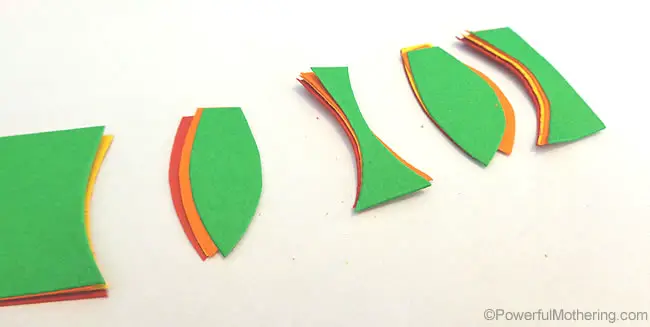
To prepare the materials for the display, adult supervision is required for the initial cutting phase. Traditional autumn color palettes—featuring vibrant reds, rich oranges, bright yellows, and deep greens—are stacked in construction paper strips. While specialized leaf punches can offer an efficient alternative and an additional fine motor challenge for older children, manual cutting remains a straightforward approach. By cutting half-moon or semi-circular shapes along stacked strips of colored paper, organizers can quickly produce a plentiful supply of paper foliage, separating the finished leaves from the leftover paper scraps into designated bowls.
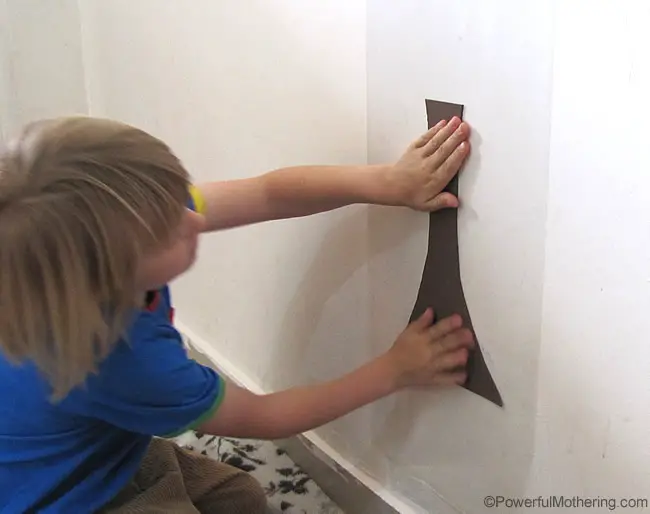
The construction of the tree itself begins with a single sheet of brown paper. A rustic tree trunk is outlined and cut out, with the remaining paper scraps trimmed into elongated strips to serve as sprawling branches. Once the contact paper is affixed to the wall with the sticky side facing outward, the brown paper trunk and branches are applied first, creating the foundation of the forest scene.
Participants then engage in the core motor skill portion of the project: selecting and adhering the colorful paper leaves to the sticky surface. Observers note that the activity accommodates various developmental stages naturally. Younger participants, such as two-year-olds, often approach the task with uninhibited enthusiasm, focusing heavily on the sensory experience of sticking and pressing objects onto the adhesive surface. Their placement tends to be spontaneous and scattered, occasionally covering the surrounding wall space.
In contrast, older participants, such as five-year-olds, typically demonstrate greater spatial awareness and precision, attempting to position the foliage directly onto the designated paper branches. However, project coordinators point out that this variance in execution adds to the authentic aesthetic of the final product. In nature, autumn leaves naturally drift and settle not only on the branches of trees but also across the ground below, mirroring the distributed placement seen in the children’s collaborative artwork.
Ultimately, the initiative yields multiple decorative tree displays while providing a constructive outlet for children’s energy and creativity. The project aligns with a broader array of seasonal educational resources, including fall-themed color-by-number printables and related preschool activities designed to reinforce cognitive and motor skills through thematic play. Families and educators engaging with these materials continue to share their experiences and completed projects across digital platforms, contributing to a growing collection of seasonal learning ideas for early childhood education.