 11
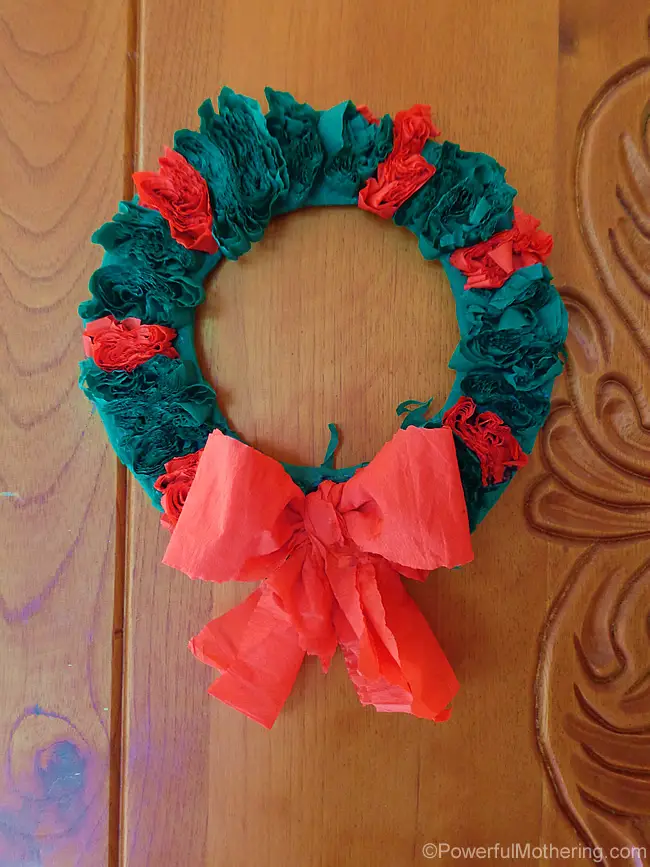
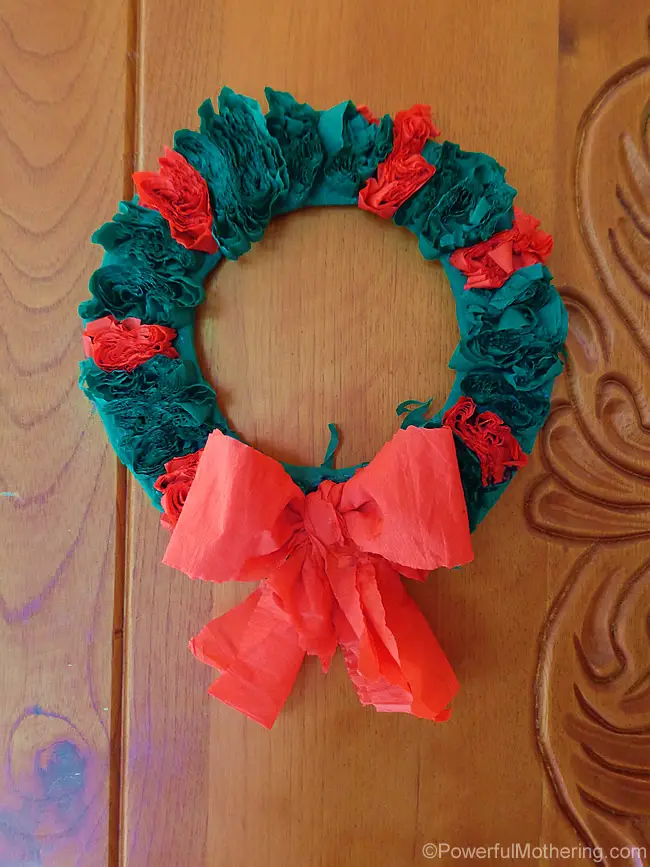
The project centers around constructing a handmade holiday wreath from scratch. According to the creators, the activity is remarkably straightforward, making it an ideal afternoon project for parents and toddlers working together. Despite utilizing basic materials that are commonly found around the house, the finished product delivers a vibrant and surprisingly polished visual effect that can proudly adorn a home interior.
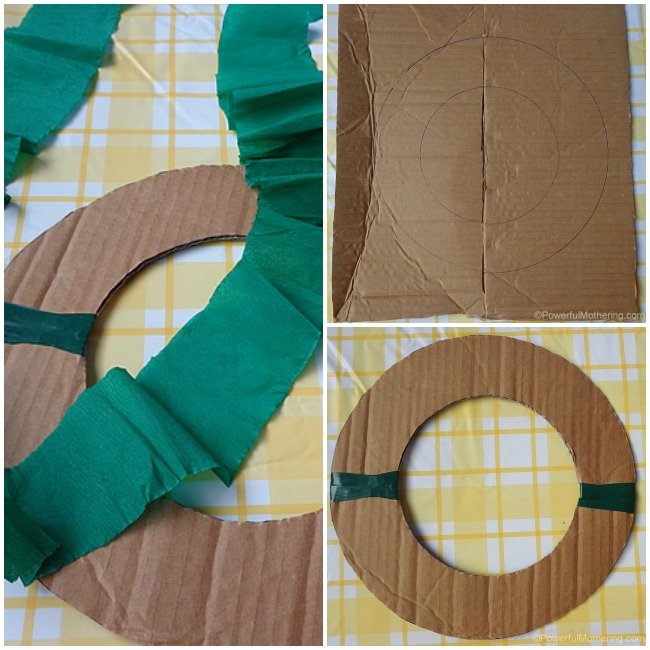
To begin the crafting process, participants must first gather their primary supplies. While specialized crafting stores offer a wide array of expensive holiday decor, this particular project relies on accessible items. The base of the wreath is constructed using either a standard paper plate or a section of sturdy cardboard. Those choosing the cardboard route can utilize everyday items such as plates or bowls as templates to trace distinct circles, which are then carefully cut out to form the wreath’s foundation. For crafters using a paper plate, the process is even simpler: cutting out the inner circle instantly yields a clean, uniform ring.
In instances where a single large piece of cardboard is unavailable, crafters can easily improvise by joining smaller sections together. By using standard adhesive tape to secure multiple pieces into a complete circle, families can achieve a sturdy base without needing specialized materials. This resourcefulness highlights the practical nature of the project, ensuring that participants do not need to make a special trip to the store just to acquire the foundational structure.
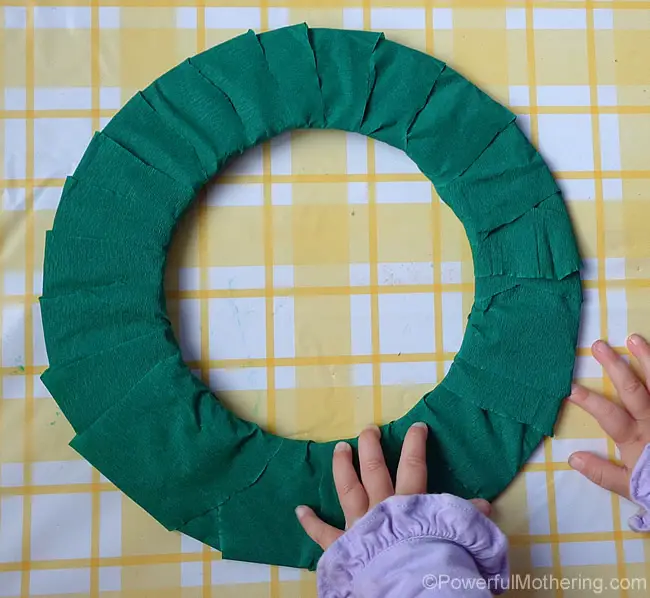
Once the base is prepared, the next phase involves wrapping and texturing the wreath using colored crepe paper. A strip of green crepe paper is wrapped continuously around the cardboard or paper plate ring, establishing a vibrant background color that mimics traditional holiday foliage. This step allows younger children to participate directly, helping to wrap and secure the paper around the structure under supervision.
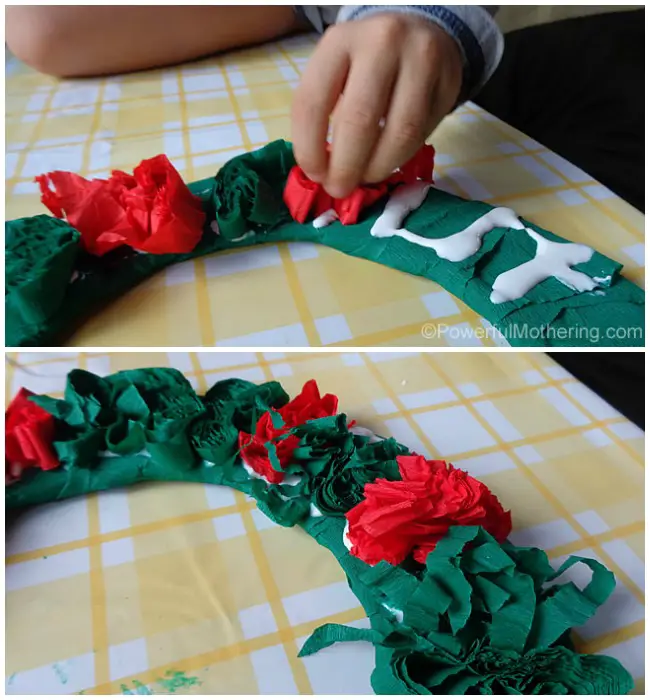
Following the initial wrapping, the project incorporates additional texture and dimension through clustered crepe paper sections. Crafters gather sections of the crepe paper, bunching and cutting them into manageable pieces that can be glued onto the wreath base on their sides. To assist younger participants—such as four-year-old children—adults can apply lines of standard school glue directly onto the wreath base, providing a clear guide for where the crepe paper bunches should be pressed down.
Maintaining the right spacing is noted as a key detail during this phase of assembly. Organizers suggest placing the bunches tightly enough to create a full, lush appearance, but without overcrowding the surface. This balance ensures that the final design retains its rich color and texture.
However, working with standard school glue and crepe paper does present minor logistical challenges for young crafters. Because crepe paper reacts to moisture, the adhesive can occasionally cause the paper to become overly soft or mushy if handled too extensively. This phenomenon was humorously discovered by a young participant who attempted to readjust recently glued bunches, resulting in sticky fingers and a valuable lesson in patience during the crafting process.
Because the project often unfolds during late afternoon hours, lighting can shift rapidly as evening approaches. Families working on the craft may find themselves racing against the fading daylight, with indoor lighting and camera flashes ultimately assisting in capturing the final moments of assembly.
As the construction nears completion, the final decorative elements are added to elevate the festive appearance. In this particular instance, a section of green bunching had to be carefully removed to accommodate a bright red crepe paper ribbon, introducing a classic contrasting color that is synonymous with holiday decorations. Once all the decorative elements are securely glued into place, the entire assembly must be left undisturbed overnight to allow the adhesive to dry thoroughly.
The following morning reveals the completed project, ready for display. Equipped with double-sided tape on the reverse side, the handmade wreath can be mounted securely onto an interior door or wall, providing a cheerful greeting to anyone entering the room.
Creators of the project emphasize an important limitation regarding its placement: because the wreath is constructed from paper products and standard school glue, it is not weatherproof. Consequently, it must be displayed exclusively indoors and kept safely away from any moisture or damp environments that could compromise its structural integrity.
Beyond this specific holiday wreath, the broader initiative behind the craft offers a variety of alternative seasonal activities and educational resources for families. Parents seeking additional ways to engage young children during the winter months can explore related projects, such as easy-to-make felt Christmas tree activities designed for early childhood development. Additionally, a wide selection of preschool printables and interactive learning guides remains available for families looking to foster creativity and fine motor skills through hands-on crafting experiences.