 11
When the opportunity arose to visit Santa Rosa, California, and explore the Charles M. Schulz Museum, the timing could not have been more auspicious. For families navigating the toddler years, the search for low-stimulation, high-engagement activities is a constant pursuit. In our household, that has meant a deep dive into the world of Peanuts. We have spent countless evenings rotating between the original comic strip collections and The Snoopy Show on Apple TV+, finding that the gentle, whimsical nature of the Peanuts gang serves as the perfect wind-down ritual before bedtime. Seeking a vacation that matched this cozy, nostalgic energy, we looked to Santa Rosa, and the city proved to be an ideal backdrop for a family getaway, offering a blend of walkable dining, charming cartoon-themed sightings, and endless entertainment for a young child.
The journey began with the familiar trials of modern air travel. Our once-drowsy traveler had blossomed into a whirlwind of energy, making the hour-long flight from Los Angeles feel significantly more adventurous than it appeared on paper. However, upon landing and securing a rental car, the stresses of the cabin dissipated as we embarked on the scenic drive from San Francisco to Santa Rosa. Crossing the iconic Golden Gate Bridge and transitioning into the lush, rolling greenery of Sonoma County served as a peaceful reset for our family. Visit Santa Rosa provided us with a warm welcome, hosting us at the Art House Hotel and curating a family-friendly itinerary centered around the Charles M. Schulz Museum and the Children’s Museum of Sonoma County, punctuated by some of the town’s most celebrated culinary stops.
Our first priority upon arrival was to channel our daughter’s pent-up travel energy into something productive. We headed to the Poppy Bank Epicenter, a massive complex that acts as a catch-all for restless kids. Whether it is the dedicated toddler play area, the arcade, bowling lanes, or the Sky Zone trampoline park, the facility is designed to ensure no child leaves with surplus energy. We found ourselves in the challenging phase of "restaurant training," where sitting still for a meal is a tall order. When our toddler hit her limit at the venue’s Victory House, we pivoted to a takeout strategy, grabbing massive burgers and fries—along with the requisite dino nuggets for our little one—to enjoy later. After some time on the four-person Omni Motion VR screens, we headed back to the hotel, exhausted but satisfied, to reheat our meal.
The Art House Hotel proved to be a standout feature of the trip, particularly for parents of young children. Once our daughter was sound asleep, the convenience of a full kitchen and a proper dining table felt like a rare, transformative luxury. Any parent who has spent a vacation sitting in the dark, eating cold pizza on the edge of a hotel bed while trying not to wake a sleeping toddler will understand why this setup felt like a significant upgrade to the travel experience.
The following morning began with a necessary caffeine boost from Land and Water Coffee, a local roaster whose flavorful, artisanal brews provided the energy required to keep pace with a toddler who was raring to explore. For breakfast, we opted for The Americana, a charming farm-to-table nook. The menu was a hit for the whole family; the adults enjoyed fresh, veggie-packed omelets, while our daughter happily made short work of a plate of chocolate chip pancakes accompanied by chicken sausage and a glass of milk.
One of the greatest advantages of Santa Rosa is its accessibility. Most of our destinations were either within walking distance or a short drive away, allowing us to plan our day around our daughter’s natural rhythm rather than forcing her to adhere to an rigid, exhausting itinerary. This flexibility was essential for our visit to the Children’s Museum of Sonoma County, located just steps from where we would be spending our time at the Schulz Museum the following day. It was a milestone for our family, as this was our daughter’s first experience at a children’s museum.
The history of the museum is as heartening as its exhibits. Established by a group of local mothers—including individuals with backgrounds at Lucasfilm—the organization evolved from a humble traveling trailer designed to foster imaginative play into a permanent, nonprofit institution. Its mission remains firmly rooted in accessibility, ensuring that fun and education are available to all local families regardless of income. While there is a standard admission fee, the museum provides a vital service through its family access programs, which waive costs for qualifying families, including those receiving WIC and SNAP benefits.
The level of empathy and diversity woven into every aspect of the museum was deeply moving. We initially guided our daughter into "Totopia," a soft-play woodland area, as we were hesitant to let her roam the entire facility immediately. The staff were exceptional, not only in their engagement with our daughter but also in their support for us as parents, gently helping us ease our anxiety and embrace the environment. Once we felt secure in the space, it didn’t take long for all of us to settle into the joy of creative, unstructured play.
We were particularly impressed by the "Wild Zone," a recreational area dedicated to natural play, featuring sticks, climbing structures, and uneven terrain. It is a space that allows children to take risks—or, as the modern vernacular suggests, to "FAFO" (find out and figure out) under the watchful eye of their guardians. If a child climbs a bit too ambitiously and loses their balance, the experience serves as a gentle, consequence-based lesson in physics and body awareness. For our daughter, this environment was exactly the kind of experiential learning she needed.
The outdoor area was equally captivating, with bubble and water tables that proved irresistible to a toddler. A word to the wise for future visitors: pack an extra change of clothes, as we quickly discovered that a dry toddler is not a guaranteed outcome of water play. After a quick change, we moved back indoors, where our daughter spent the afternoon “flying” a rocket ship, “cooking” in a retro-style diner, and playing doctor in the Science and Medical Lab. The day concluded with the perfect recipe for a successful family vacation: plenty of activity followed by a mandatory nap at the hotel.
Before settling in for the evening, we made a stop at Noble Folk Ice Cream and Pie Bar. We decided that "dessert first" was an acceptable vacation policy, sharing scoops of their heritage flavors—Strawberry Miso, Butterscotch, and Cornflake Maple. When our daughter caught sight of the freshly baked chocolate chip cookies, the decision was finalized. My husband, a dedicated pie aficionado, grabbed a slice of seasonal maple chocolate walnut to enjoy later. We finished the evening at La Rosa Tequileria & Grille, where we enjoyed a fresh coastal seafood dinner and a well-deserved margarita, ending the day in a state of happy exhaustion.
Our final day was dedicated to the main event: the Snoopy and Family exhibit at the Charles M. Schulz Museum. To fuel up before our flight, we stopped at Mac’s Deli, famous for its legendary sandwiches, and picked up coffee from Espressioso’s Coffee, a Latin-inspired roaster committed to ethical sourcing. After a quick play session in the cafe’s toddler corner, we arrived at the museum. As longtime fans of animation, we were fascinated by the opportunity to examine the original comic strips up close and delve into the backstory of Snoopy’s siblings, which was the focus of the current exhibit.
The exhibit offered a poignant look at the work of Bill Melendez, the director and animator who brought the Peanuts TV specials to life. Learning that Melendez was not only the voice of Snoopy but also a central figure in defining the visual language of the franchise was a highlight of the visit. It was moving to see how Schulz’s local comic strips were transformed into global pop culture staples through the collaborative vision of these two men. Understanding the history behind "Snoopy’s Reunion" added a new layer of depth to the stories we watch every night at home.
For our daughter, the museum was a dream come true. She was surrounded by her favorite cartoon dogs, and the giant plush displays featuring Snoopy, Spike, Belle, and Olaf were a delight. The museum also offers interactive art rooms where families can sit down to draw the Peanuts gang. We spent time at tables designed for tracing classic strips, creating our own versions to commemorate our daughter’s first visit. We even found time for photos in the iconic installations, including Lucy’s famous psychiatry booth.
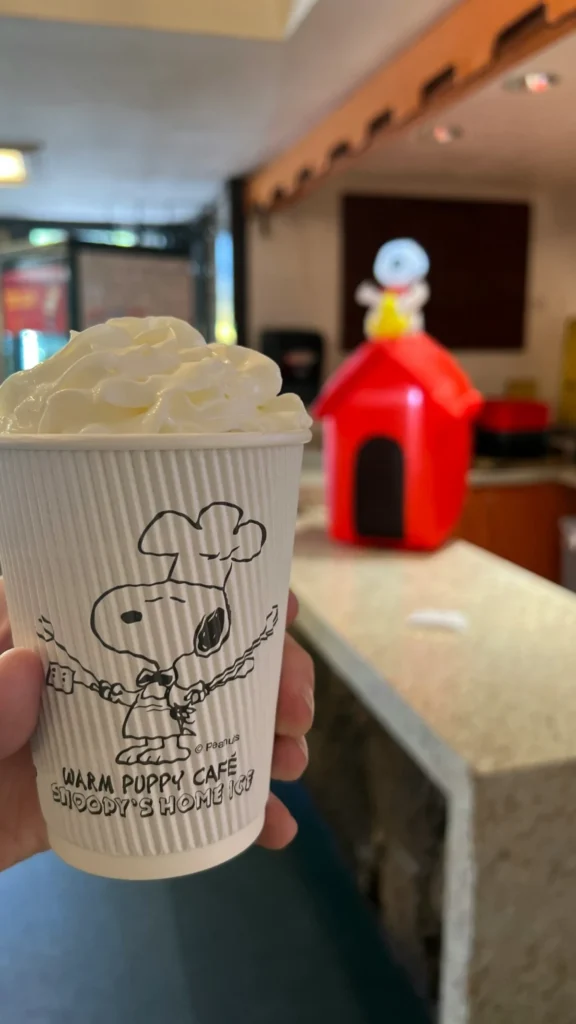
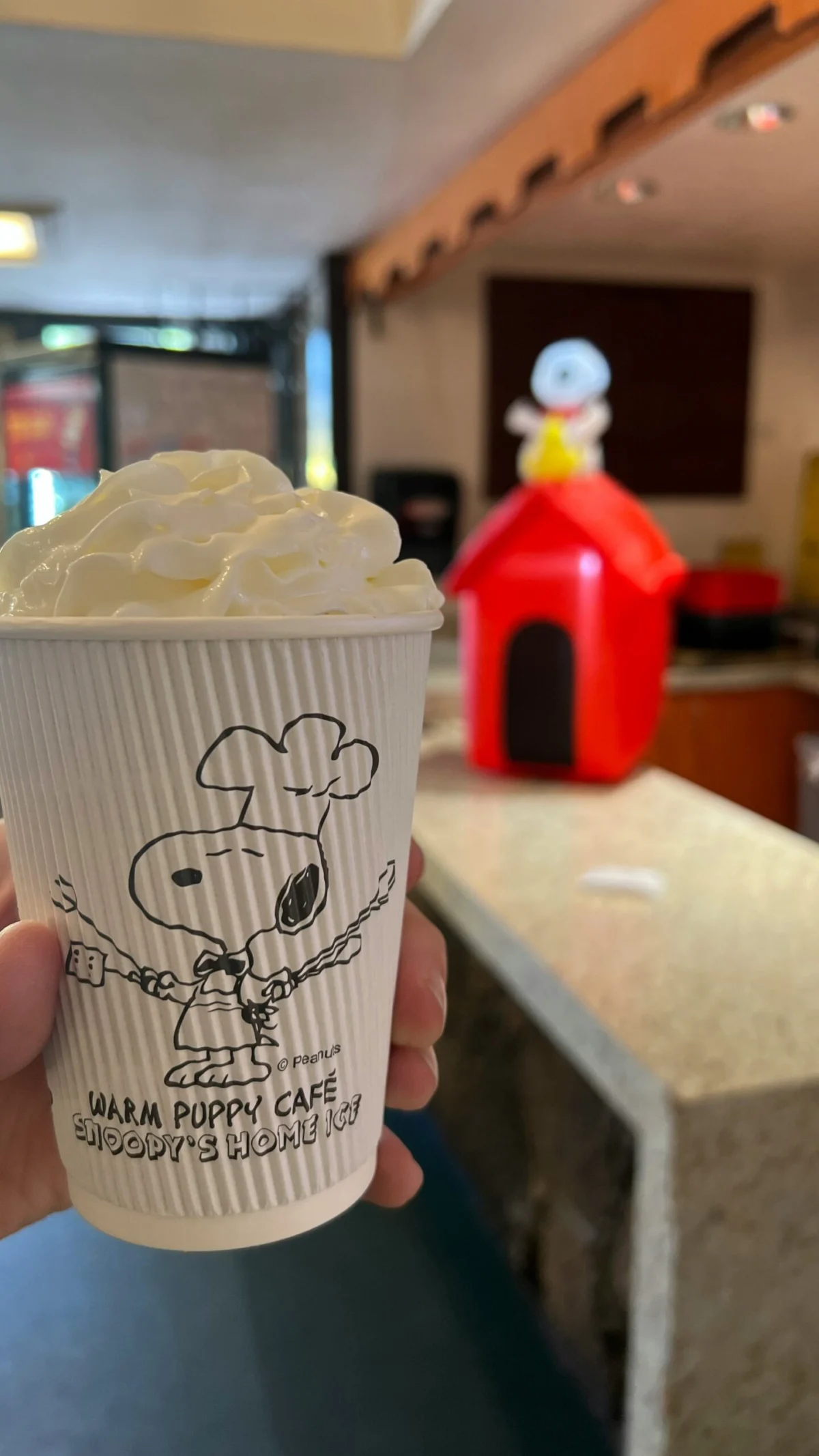
The proximity to Snoopy’s Home Ice, the local ice rink, and The Warm Puppy Cafe, which serves comfort foods like pot pies and hot cocoa, rounded out the experience. The entire trip was defined by a gentle, unhurried pace that perfectly mirrored the idyllic world of Charlie Brown. While we might have missed the presence of a live jazz score by Vince Guaraldi, the essence of the Peanuts legacy was everywhere. As we departed, we were already discussing a potential return trip to see how the museum captures the spirit of the Great Pumpkin in the fall or the charm of a Charlie Brown Christmas.