 11
For many, the Thanksgiving holiday is synonymous with a frantic, day-long marathon of peeling, chopping, simmering, and roasting. While some hosts find solace in the solitude of the kitchen—perhaps as a strategic maneuver to avoid the spirited debates of a challenging mother-in-law or simply to indulge in a day of culinary focus—the vast majority of home cooks would prefer to spend their holiday mingling with family and friends rather than being tethered to a stovetop. The solution to this holiday stress is not to cut corners on quality, but to rethink the timeline. By strategically selecting side dishes designed to be prepared in advance and reheated with precision, hosts can ensure their table is as impressive as it is manageable.
The key to a stress-free Thanksgiving lies in understanding that certain dishes not only survive the make-ahead process but often benefit from it, allowing flavors to meld and develop. The goal is to avoid the common pitfalls of holiday cooking, such as dried-out mashed potatoes or congealed casseroles, and instead provide guests with a meal that tastes as fresh as if it had been pulled from the oven at the last possible second.
Among the most essential components of any Thanksgiving feast is the sweet potato casserole. It remains one of the few instances in the culinary calendar where it is universally accepted to serve a vegetable topped with marshmallows, yet executing it alongside a turkey can be a logistical nightmare. Recipes such as the Brown Butter Orange Sweet Potato Casserole offer a sophisticated take on the tradition. By incorporating the nutty, toasted notes of brown butter and the bright acidity of orange, the dish gains a depth of flavor that elevates it above the standard sugary fare. Crucially, these recipes often include specific guidance on how to assemble the dish days before the event, allowing the cook to simply bake it off when the turkey is resting.
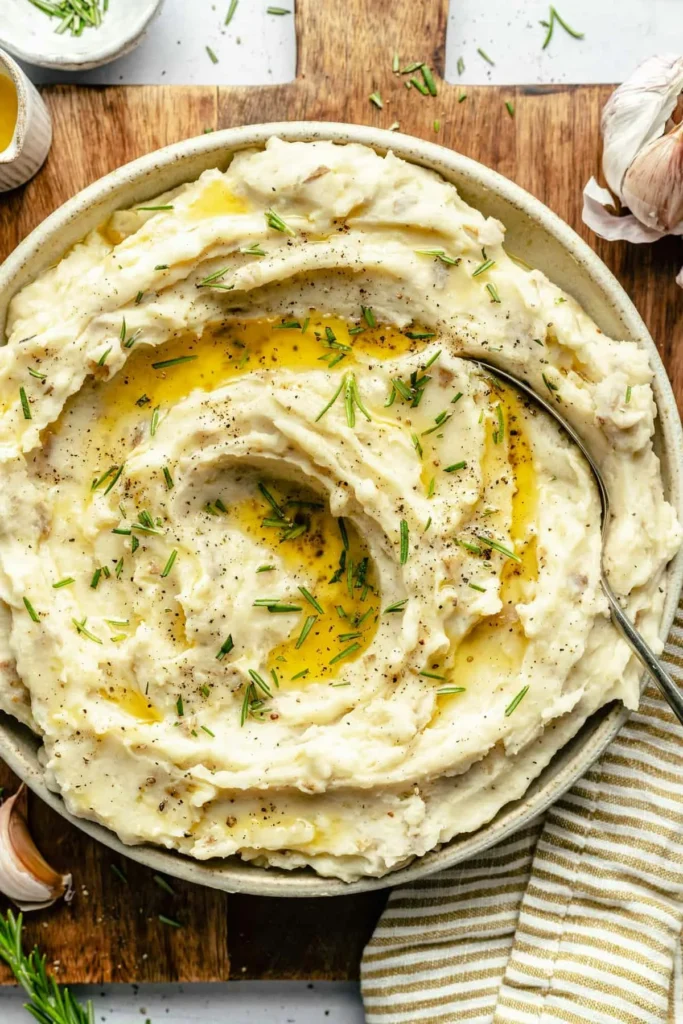
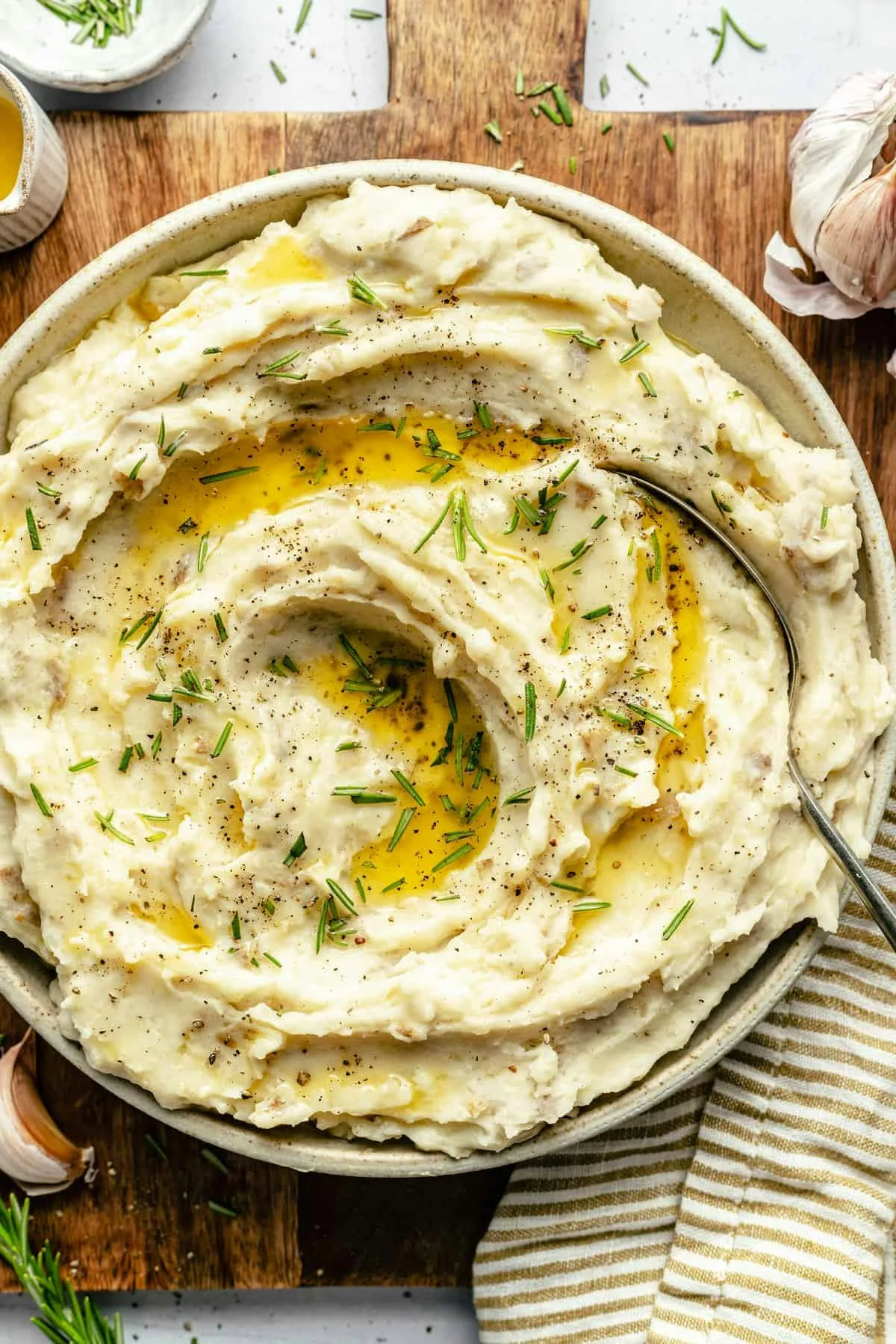
Similarly, the challenge of achieving the perfect, creamy mashed potato is often compounded by the need for immediate, hands-on mashing right before serving. However, the rise of the slow cooker has changed the landscape for this staple. By utilizing a slow cooker to prepare mashed potatoes, hosts can maintain a consistent texture and temperature throughout the day. Once the potatoes are whipped to perfection, the slow cooker’s “keep warm” setting ensures they remain ready for the table, eliminating the need to stand over a pot while guests are socializing in the living room.
One of the most persistent hurdles on Thanksgiving is the finite amount of oven real estate. Dishes that can be prepared ahead and reheated using alternative methods—or even just finished in the oven while the turkey is cooling—are invaluable. Corn pudding is a prime example of a dish that benefits from advanced preparation. By baking the pudding in advance, the host frees up the oven for other critical tasks. Reheating is straightforward; the dish can be warmed through in a low-temperature oven or, for smaller servings, individual portions can be quickly rejuvenated in the microwave without sacrificing the integrity of the texture.
Stuffing, perhaps the most beloved side dish of the holiday, is frequently misunderstood as a dish that must be prepared at the eleventh hour. In reality, it is exceptionally forgiving. By following a standard stuffing preparation up to the point of combining the ingredients in the baking dish, the cook can simply cover and refrigerate the mixture overnight. This method allows the bread to fully absorb the savory broth and seasonings, resulting in a more cohesive flavor profile. On the day of the feast, the dish can go directly from the refrigerator to the oven, streamlining the schedule significantly.
Green bean casserole also lends itself well to this strategy. The primary concern with this classic is maintaining the crispness of the topping. By preparing the creamy bean base ahead of time and waiting to add the breadcrumbs or fried shallots until the final bake, the host ensures the texture remains perfect. The same logic applies to scalloped potatoes, which are remarkably versatile. These can be baked completely and reheated in individual portions, assembled and refrigerated for a later bake, or even par-baked and finished off as the turkey is carved, providing a degree of flexibility that is often lacking in holiday cooking.
Beyond the core casseroles, bread and specialty sides can also be managed well in advance. Yeast rolls, for instance, are a logistical boon when treated as a make-ahead item. Whether they are refrigerated overnight to allow for a slow, steady rise before baking, or baked and frozen well in advance, they remain a fluffy, essential vessel for gravy and butter.
For those looking to expand their menu, regional favorites like Southern-style fried apples offer a sweet, tart contrast to the savory elements of the meal. Because these are inherently a stewed fruit dish, they are highly resistant to the degradation often seen in other reheated foods. They can be prepared days early and quickly refreshed in a skillet or microwave, providing a unique flair to the traditional spread without adding a significant time burden on the day of.
Similarly, slow cooker mac and cheese has become a modern favorite for the holiday table. Unlike baked versions, which can become dry or stiff when reheated, a slow-cooker method typically results in a sauce that remains rich and velvety. Because the dish is designed to be held at a steady temperature for extended periods, it is inherently suited for the fluctuating timeline of a large dinner party. Candied yams, too, prove to be a resilient choice. When prepared up to two days in advance, the sugars have more time to penetrate the potatoes, ensuring they are tender and flavorful. Whether reheated in the oven to achieve a slight caramelization or warmed in the microwave for speed, they consistently deliver a high-quality result.
Ultimately, the transition to a make-ahead strategy for Thanksgiving is not about abandoning tradition, but about reclaiming the time to enjoy it. By selecting dishes that respect the realities of reheating and careful planning, a host can transform the most stressful day of the year into an opportunity for hospitality. Whether it is the careful timing of a green bean casserole or the low-maintenance reliability of slow-cooker potatoes, these methods allow for a feast that feels both personal and polished, leaving the host free to actually join the celebration.