 11
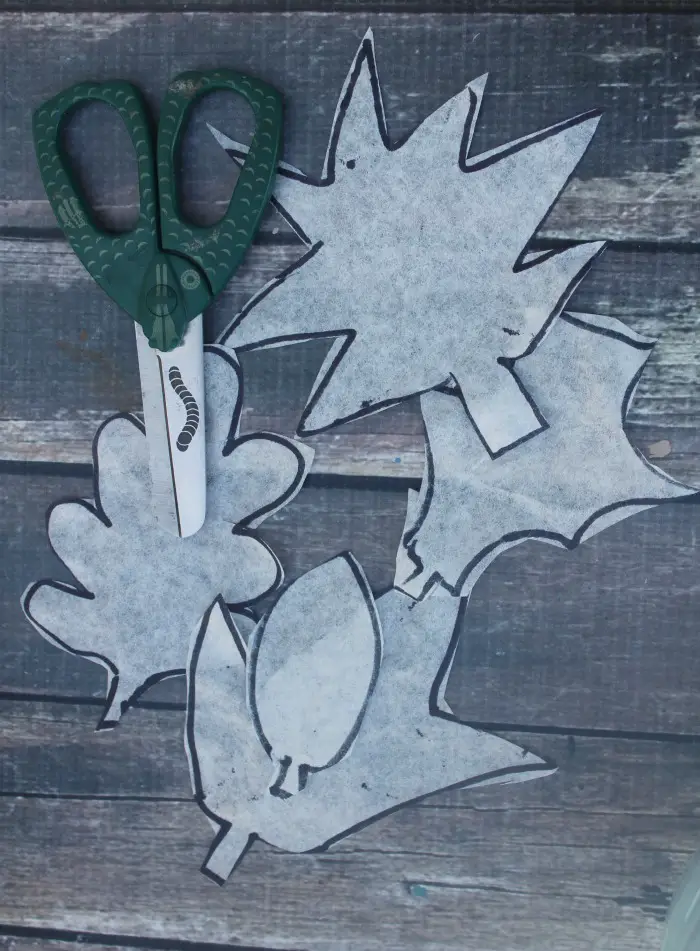
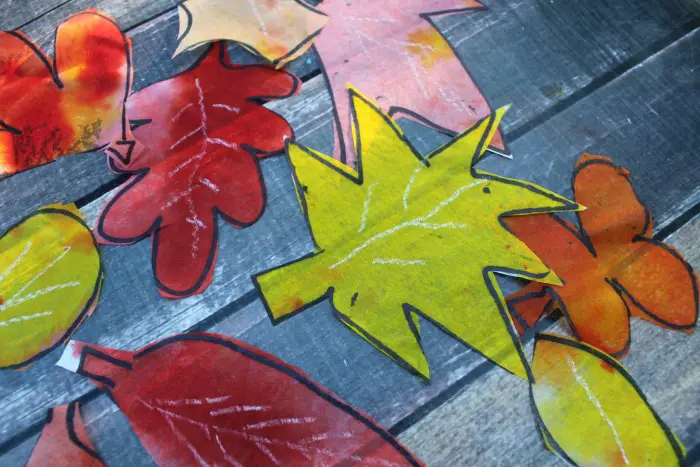
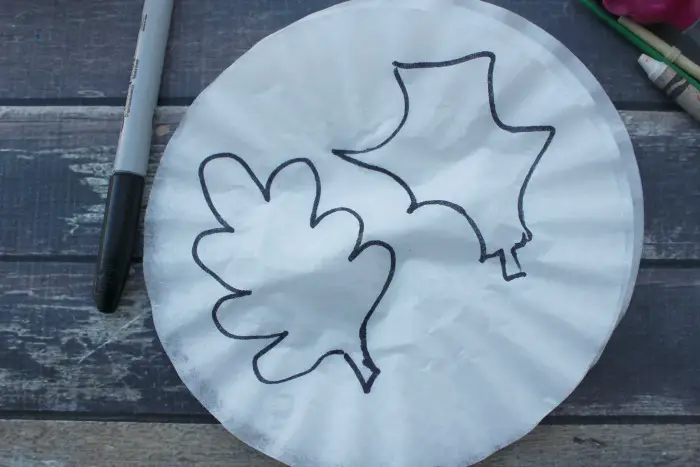
The activity, which has become a staple for early childhood development advocates, centers around everyday household items. Children begin by drawing and cutting their own leaf shapes from ordinary coffee filters. Once the foundational shapes are prepared, young participants use droppers to apply liquid colors, observing how the pigments spread and blend across the porous material. While the end result is a vibrant, multi-colored display reminiscent of changing autumn foliage, the process itself serves a dual purpose. Education experts note that the project functions simultaneously as an art lesson and a basic science experiment, while inherently strengthening the fine motor skills of developing hands without the children even realizing they are engaging in a targeted developmental exercise.
As with many hands-on crafts involving young children, preparation and safety considerations remain paramount. Because the activity often utilizes markers and vibrant liquids, organizers frequently remind participants to protect their clothing and work surfaces beforehand. Permanent markers, while useful for certain artistic effects, are prone to staining, and standard classroom safety protocols dictate that markers, food coloring, and other craft liquids should never be ingested. Consequently, educators and caregivers are advised to maintain close supervision, particularly when working with the younger end of the target age range.
The appeal of the coffee filter leaf project lies largely in its adaptability. The basic framework allows for numerous variations to keep children engaged across multiple sessions or to accommodate different skill levels within a group setting. Educators often modify the project by introducing different tools for liquid application, experimenting with alternative marker types, or incorporating various textures into the leaf-cutting phase. These minor adjustments help maintain children’s interest while reinforcing the core concepts of color mixing and tactile manipulation.
Beyond the immediate satisfaction of the leaf-crafting project, early childhood educators often integrate similar tactile experiences into broader seasonal curricula. Comparable activities frequently include autumn-themed sensory bins, color-sorting rice containers, structured tree-cutting exercises, and tracing or coloring printables designed to reinforce foundational learning objectives. These complementary projects share a common philosophy, emphasizing experiential learning, sensory exploration, and the gradual refinement of motor coordination during the formative early years.
For families and educators seeking further inspiration, a wide range of supplementary printables and activity guides remains accessible through specialized early childhood networks. These resources are generally curated to support holistic development, offering structured yet flexible options for children navigating the preschool years. By combining artistic creativity with foundational scientific observation, projects like the watercolor leaf craft continue to serve as effective tools for early childhood enrichment, bridging the gap between playful engagement and essential skill acquisition.