 111
 2
 3
Shopping for a six-year-old comes with a unique set of paradoxes. On the good side, children at this stage of development are notoriously enthusiastic, meaning they will love almost anything you hand them. On the bad side, that boundless appreciation makes it surprisingly difficult to choose something truly exceptional. Between cheap plastic novelties destined for an immediate journey to the landfill and flashing gadgets that hold a child’s attention for barely five minutes, finding a gift with genuine staying power can feel like searching for a needle in a haystack.
At six years old, children are typically navigating Year 1 or Year 2 in school. They are acquiring early reading skills, brimming with natural curiosity, and beginning to extend their concentration spans—provided you manage to capture their interest in the first place. Play remains fundamentally important; it is the primary vehicle through which they learn how to share, solve complex problems, and build emotional resilience, all without ever realizing they are absorbing educational lessons.

Consequently, the most effective gifts for six-year-olds are those that successfully capture the imagination and entice children to return day after day. For parents and caregivers, the holy grail of gift-giving is finding a toy that achieves a dual purpose: it must be fiercely loved by the child while remaining entirely tolerable in a shared living room.
Behind every recommendation lies a rigorous vetting process grounded in professional experience and hands-on testing. As a consumer journalist who has spent years testing and writing about children’s products, coupled with a background in children’s publishing and practical experience as a school teaching assistant, observing children at play has been a lifelong professional pursuit. As a parent to three children, the reality of what actually works for kids—and what preserves the sanity of the adults sharing their living spaces—is always front and center.

This curation did not rely solely on personal observation. During the initial research phase, consultations with leading childhood and parenting experts provided deep insights into what makes a toy truly valuable for a six-year-old. The goal was to identify the specific types of play that best support and engage children at this critical developmental milestone.
Following the research phase, rigorous real-world testing began in earnest. A volunteer crew of enthusiastic six-year-old testers was recruited—an offer that naturally generated plenty of eager candidates. Living rooms transformed into testing grounds strewn with tiny arts and crafts materials tucked under sofas, fierce board game championships, and hours of deeply absorbed independent play.

The core criteria for inclusion were straightforward: toys had to demonstrate sustained interest and encourage repeated use. Items that could go the distance, remaining compelling to a child years down the line, rose to the top of the list. Toys that gracefully adapt and grow alongside a child remain personal favorites, offering exceptional value from both a sustainability and a price-per-use perspective.
Nurturing creativity is one of the most impactful ways to engage a developing mind. Early years specialist and consultant Laura Moore-Williams notes that gifting children items supporting creative expression, such as high-grade art materials, transcends the typical toy shelf by actively nurturing the imagination, boosting confidence, and forging lasting memories.

Among the creative contenders, Aquabeads proved exceptionally popular with the six-year-old testing cohort. The concept involves arranging small, colorful beads onto a grid so they touch one another. Once the design is complete, a quick spritz of water leaves them to dry together in the established shape. Testers remained completely absorbed for an hour at a time, following established patterns before moving on to original designs, and repeatedly returned to the activity days later. A version featuring built-in storage for loose beads proved especially practical for households trying to manage the inevitable clutter. Beyond sheer enjoyment, the activity aids in developing fine motor skills and building patience, as the lightweight beads occasionally have a mind of their own.
The transition to rule-based play opens up a whole new world of social and cognitive development. Card and board games introduce children to logic, structured thinking, and patience.

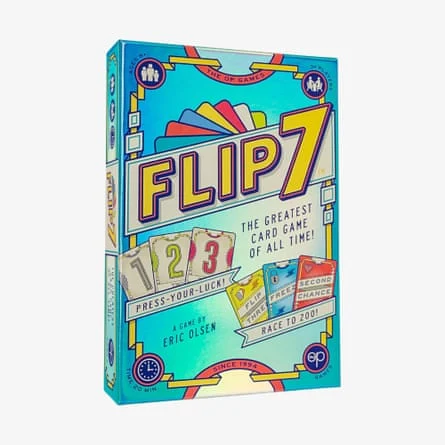
The Flip 7 card game, while technically carrying an age rating of eight plus for difficulty, proved an unexpected hit during testing. Younger children aged five and six handled the mechanics remarkably well when playing alongside older family members. Players aim to build the highest card hand each round, but drawing a duplicate card instantly eliminates them from the round. Players can choose to "stick" at any point, introducing an organic lesson in probability, luck, and decision-making. Mental maths skills get a natural workout when tallying up the final hand scores.
Similarly, traditional wooden games like Mancala captivated the young testers with rapid gameplay and accessible strategy. According to Moore-Williams, structured, rule-based toys foster logical thinking, patience, resilience, and crucial social skills such as turn-taking. A folding wooden board accompanied by a fabric storage bag makes such traditional sets ideal for travel, while the glass playing pieces easily double as currency in imaginative games of pretend shop.

Double-sided board games featuring classics like snakes and ladders and ludo, crafted from sustainably sourced wood and painted in bright, playful colors, offered a reliable antidote to rainy Sunday afternoons. These timeless items are built to withstand heavy use and can easily be handed down through generations or donated for others to enjoy.
Lego City sets strike an ideal developmental chord for six-year-olds. Slightly more challenging builds keep children engrossed for hours. With instructions available both in print and via companion apps, young testers frequently took complete charge of the construction process.

Beyond the solo engagement, Lego provides a wonderful avenue for collaborative project work between adults and children. Sets featuring rich play pieces—such as air stairs, catering trucks, and a generous array of mini-figures—hit the jackpot for imaginative roleplay that extends far beyond the initial building phase.
Subscription kits, such as those from KiwiCo, tap into the magical anticipation of receiving physical post while fostering a fascination with science, technology, engineering, art, and mathematics (STEAM). Whether constructing a motorized spin art machine or assembling a wooden launcher to explore aerodynamic forces, these kits combine hands-on engineering with lasting play value.

Encouraging physical activity and outdoor exploration is increasingly vital as statistics point to a general decline in active play time. Providing gear that encourages outdoor family adventures or independent physical confidence makes for an invaluable gift.
Around the age of six, many children naturally outgrow traditional three-wheeled scooters and migrate toward two-wheeled models. High-durability options like the Micro Cruiser feature larger wheels for a smoother, faster ride, wide handlebars for enhanced stability, and light-up LED wheels that activate when spinning. With a mechanism that folds down instantly, these scooters easily slide into a car boot or tuck under an arm during the school run.

For children with access to a hard outdoor surface, electric ride-on go-karts offer an undeniable wow factor. Operating at an adult running pace via battery power, these karts feature accelerator and brake pedals alongside a reverse gear, giving young drivers a thrilling sense of genuine control.
For smaller outdoor spaces, nature and entomology kits from brands like The Den Kit Co offer a gateway to the natural world. Packed with a magnifying bug pot, observation journal, insect identification cards, and a gentle insect aspirator, these kits allow curious children to collect and examine mini-beasts up close during woodland walks without harming them.

While messy play can occasionally cause parental hesitation, kinetic sand offers a remarkably manageable middle ground. Composed of fine sand treated with silicone oil, it possesses a unique texture that flows fluidly while remaining easily moldable. Sensory-seeking children find the material deeply calming, providing a tactile outlet that helps relieve stress while strengthening fine motor skills.
Action-oriented toys like the Beyblade X Drop Attack battle set also captured prolonged attention. Despite being marketed for slightly older children, the spinning top arenas engaged young testers in tactical play as they analyzed the relative strengths and weaknesses of different tops competing within the stadium.

Reading for pleasure remains a cornerstone of early childhood development. Books that reflect diverse family structures, cultures, and communities help children see themselves and their neighbors represented in literature. Titles such as The Great Big Book of Families combine humor and warmth to explore the rich tapestry of modern life, keeping lively minds engaged with details on every page.
As six-year-olds transition toward longer narratives, short-story collections featuring traditional folk tales from around the world provide an ideal bridge. Richly illustrated and interspersed with highlighted vocabulary words, these anthologies allow children to proudly practice early phonics skills while absorbing cultural histories.

Rounding out the daily routine, comfortable sleepwear made from soft organic cotton—featuring features like extra-long folding cuffs designed to accommodate growing limbs—ensures that practical everyday items can still feel like a treat while maintaining durability through repeated washes and hand-me-down cycles.
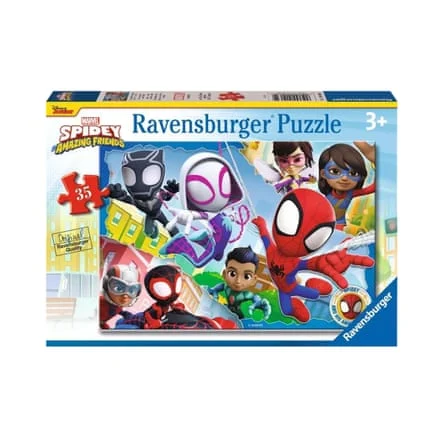
Ultimately, whether through a challenging puzzle, a strategic board game, or an outdoor adventure, the best gifts for six-year-old children are those that respect their growing independence, challenge their developing minds, and invite them back to play again and again.