 11
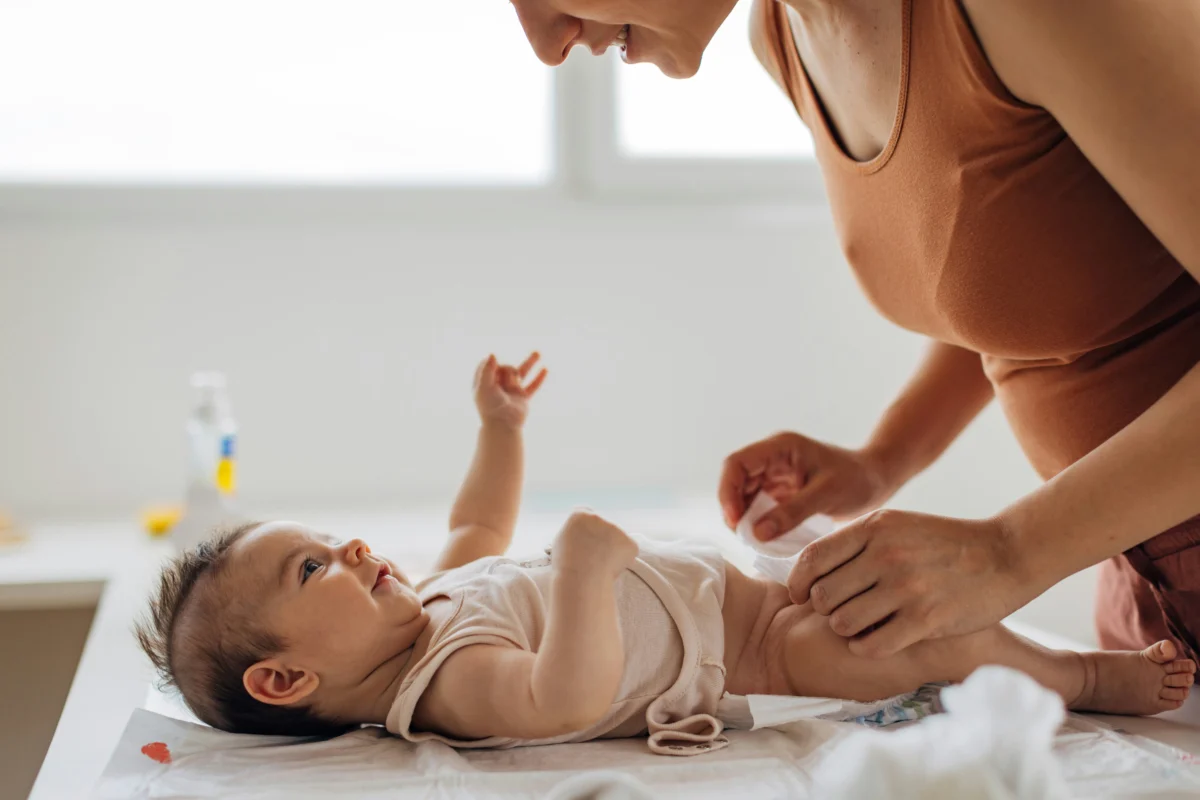
Nobody warns you that becoming a parent involves developing surprisingly strong opinions about the composition of diapers. Yet, as any sleep-deprived caregiver can attest, the moment you begin navigating the delicate landscape of infant skin care, the contents of a diaper package become a matter of high priority. As of 2026, the industry is seeing a decisive move toward cleaner, more transparent labeling, with the launch of new products like Pampers AMORE signaling a broader commitment to fragrance-free care for the most sensitive of users.
For many parents, the diaper aisle has long been a confusing landscape of marketing terminology. However, with the launch of Pampers AMORE in March 2026—a product specifically designed to be fragrance-free and accredited by the Skin Health Alliance—the brand is solidifying a trend that prioritizes skin health over synthetic scents. This new addition joins the ranks of the company’s existing fragrance-free lineup, including Swaddlers and Pure Protection, the latter of which features a vitamin-enriched liner. The message from pediatric health advocates is becoming increasingly clear: your baby’s skin is a delicate barrier, and it is far better served without the potential irritants found in added fragrances.
One of the most persistent sources of confusion for parents is the distinction between products labeled "fragrance-free" and those labeled "unscented." While they may seem interchangeable, the American Academy of Dermatology warns that these terms represent two very different approaches to manufacturing.
An "unscented" product does not necessarily mean it lacks fragrance. In many cases, manufacturers may add specific chemicals—known as masking fragrances—to neutralize or cover up the natural odors of the raw materials used in the diaper’s construction. While this might result in a product that smells like nothing to the human nose, the chemicals involved can still trigger reactions in babies with sensitive or eczema-prone skin.
In contrast, "fragrance-free" means that no fragrance, whether natural or synthetic, has been added to the product. For families managing childhood eczema or general skin sensitivities, the American Academy of Pediatrics strongly recommends opting for fragrance-free products whenever possible. By stripping away unnecessary additives, parents can significantly reduce the risk of contact dermatitis and other common diaper-related skin irritations that often lead to those frantic 2:00 a.m. internet searches.
Determining whether a diaper is the culprit behind a persistent rash or skin redness is a common challenge for new parents. When troubleshooting skin issues, the first line of defense recommended by pediatric experts is to eliminate potential irritants, starting with fragrance. If a child displays signs of redness, discomfort, or an unexplained rash, switching to a fragrance-free alternative is often the most effective initial intervention.
The good news for parents is that the market is rapidly adapting to this need. The trend is moving away from scented products as the default, and major manufacturers are following suit. In June 2026, Pampers announced that its entire Swaddlers line would be produced without added fragrances. This shift is a significant indicator that consumer demand for transparency and skin safety is forcing the industry to re-evaluate its reliance on synthetic scents. When in doubt, the American Academy of Pediatrics advises that erring on the side of caution—choosing products that are clearly labeled fragrance-free—is the best way to support a healthy skin barrier.
The current market offers a variety of high-quality options for parents seeking to avoid fragrances. Whether you are stocking up for a newborn or navigating the needs of an older infant, the selection process usually hinges on a balance of efficacy, skin safety, and budget.
Pampers AMORE has quickly established itself as a leading contender in this space. Its accreditation by the Skin Health Alliance, combined with a rigorous testing process against over 1,000 chemicals, makes it an ideal choice for parents who are particularly concerned about what comes into contact with their child’s skin. It is a premium option, but for many, the peace of mind offered by such a high standard of clinical testing is worth the investment.
For those who prioritize familiarity and hospital-tested quality, Pampers Swaddlers remain a staple. Many parents first encounter these in the labor and delivery ward, and their transition to a fully fragrance-free line has made them a reliable, accessible choice for families everywhere. They offer a balance of performance and comfort that makes them a consistent, budget-friendly option for daily use.
Other brands are also catering to these specific needs. Coterie, known as "The Diaper," has gained a reputation for its focus on simplicity and hypoallergenic materials, making it a frequent recommendation for babies with highly reactive skin. For preemies, who require a more specialized fit, Huggies Little Snugglers provide a gentle option that addresses the unique size and sensitivity needs of smaller infants.
For families who go through a high volume of diapers—which is to say, almost every family—budget-conscious options like Huggies Snug & Dry offer a fragrance-free alternative that performs reliably without breaking the bank. Meanwhile, brands like Millie Moon have carved out a niche for parents who prefer to buy in bulk, offering a "luxury" tier of diapers that are also designed with skin sensitivity in mind. Finally, for those who wish to avoid not only fragrances but also dyes, DYPER offers a product that keeps the design minimal, proving that a diaper does not need elaborate patterns to be effective.
When a baby’s skin becomes "angry"—manifesting as persistent redness, inflammation, or discomfort—it is essential to look at the entire diapering routine. Beyond fragrance, parents should consider whether dyes or other materials might be contributing to the issue. While hypoallergenic products are designed to minimize allergic reactions, they are not a catch-all solution.
If a rash persists despite switching to fragrance-free and dye-free options, it is vital to consult a pediatrician or a pediatric dermatologist. Skin issues in infants can stem from a variety of causes, including yeast infections, dietary triggers, or moisture retention, and a professional medical evaluation can help differentiate between a simple contact reaction and a condition requiring more specific medical treatment.
As parents continue to navigate these choices throughout 2026, several questions remain at the forefront of the conversation. The most common inquiry remains whether fragrance-free is truly superior to unscented. The answer, consistently provided by dermatological experts, is that they are not the same; the potential for masking fragrances in unscented products remains a concern for sensitive skin.
Parents also frequently ask which product is best for newborns. Given the hospital-grade reliability and the recent move to a fully fragrance-free lineup, the consensus often points toward Pampers Swaddlers for its accessibility and proven safety profile. For those who want the highest level of third-party verification, the Pampers AMORE line provides an additional layer of assurance.
Ultimately, the choice of diaper is a personal one, dictated by a baby’s specific sensitivities, a family’s budget, and the availability of products. However, the industry-wide move toward fragrance-free options is a welcome development. By simplifying the materials that touch a baby’s most sensitive areas, manufacturers are making it easier for parents to focus on what matters most: keeping their children comfortable, healthy, and happy. As we progress through 2026, the clarity provided by these labeling standards serves as a helpful tool for any caregiver looking to cut through the marketing noise and prioritize their baby’s skin health above all else.