 111
 2
 3
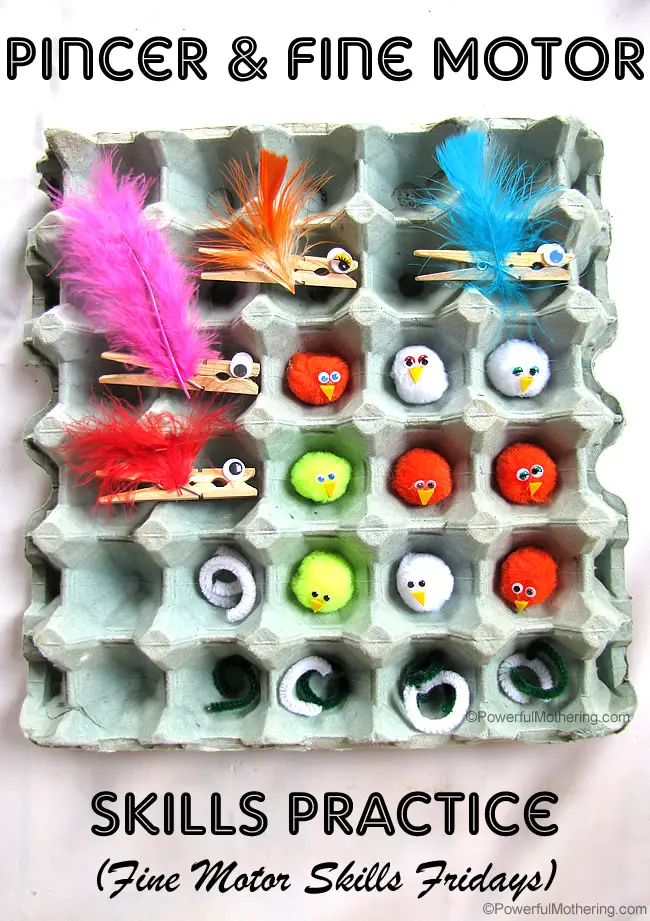
Educators and parents are constantly seeking innovative approaches to early childhood development that seamlessly integrate foundational skills with engaging play. A newly highlighted activity brings this educational philosophy to life, transforming traditional fine motor practice into an imaginative, bird-themed pretend play game designed specifically for young children. By utilizing simple, everyday household items, this hands-on project encourages toddlers and preschoolers to refine their physical dexterity while immersed in a creative narrative.
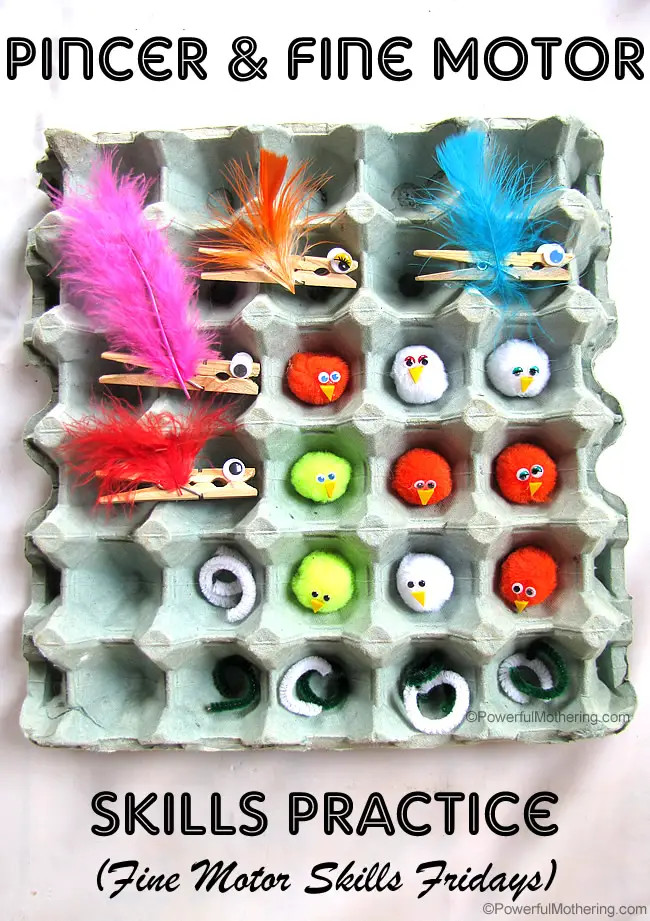
Targeting children between the ages of two and five, the activity centers around a playful scenario where a clothespin functions as a "mommy bird." Children use this makeshift beak to pick up pipe cleaner "worms" and feed them to hungry pom-pom chicks resting inside a makeshift nest. Designed to require minimal preparation—typically around fifteen minutes—the exercise focuses heavily on developing the pincer grasp, hand strength, hand-eye coordination, and imaginative role-play capabilities that are critical during early childhood development.
The integration of pretend play into physical skill-building is widely supported by developmental experts, who note that children learn best when they are actively engaged and emotionally invested in a scenario. Rather than performing repetitive, isolated hand exercises, young participants are motivated to complete the physical task because it serves a narrative purpose within their game. The simple act of pinching the clothespin mimics the precise muscle movements required for later writing and self-help tasks, such as holding a pencil or fastening buttons, yet feels entirely like play to the child.
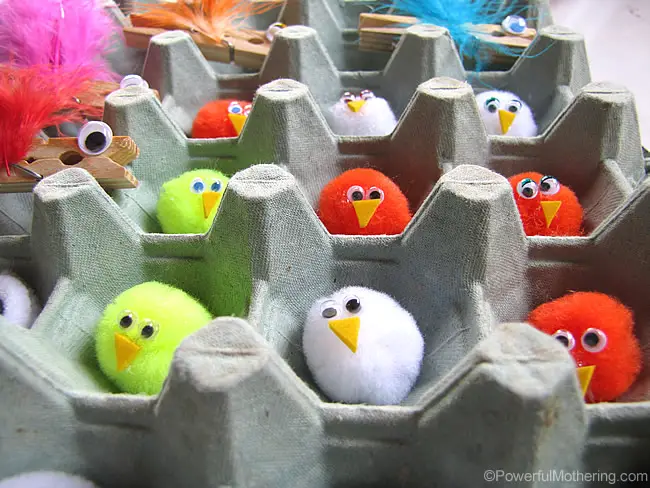
While the activity itself is straightforward, educators and caregivers should remain mindful of safety considerations, particularly when working with very young children. Materials such as small pom-poms and googly eyes present potential choking hazards for children under the age of three. Consequently, close supervision is strongly recommended during the crafting and playing phases to ensure a safe environment. Organizations like the American Academy of Pediatrics provide comprehensive guidance on choking prevention, offering valuable safety tips for families incorporating small craft items into playtime.
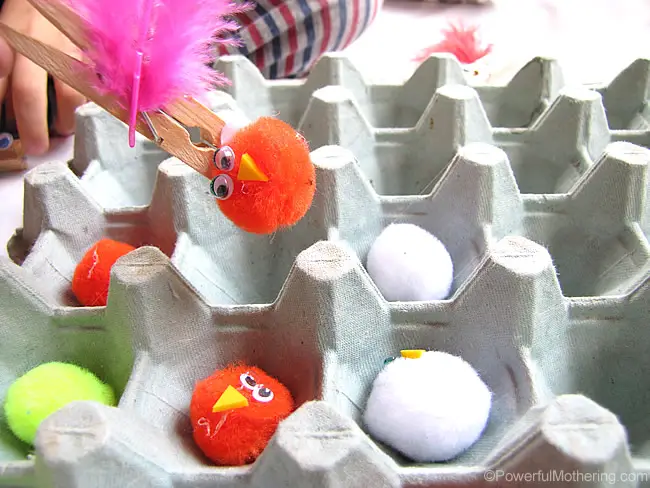
To accommodate different developmental stages and varying levels of interest, the core activity can be easily adapted. Caregivers can modify the difficulty by adjusting the size of the items or incorporating additional sorting and transfer challenges. For instance, beyond merely feeding the pom-pom chicks, children can use the clothespin to gently move the baby birds around the nest or tuck them in for a rest, extending the narrative and providing further practice in fine motor control.
This creative approach joins a broader collection of early learning resources designed to support foundational skills through tactile exploration. Similar activities, such as beading flowers or manipulating tiny pom-poms, offer alternative ways for children to strengthen their hands and fingers in preparation for more advanced academic milestones. As families and educators continue to look for accessible, screen-free learning opportunities, imaginative physical activities provide a balanced and effective method for fostering early childhood development.