 111
 2
 3
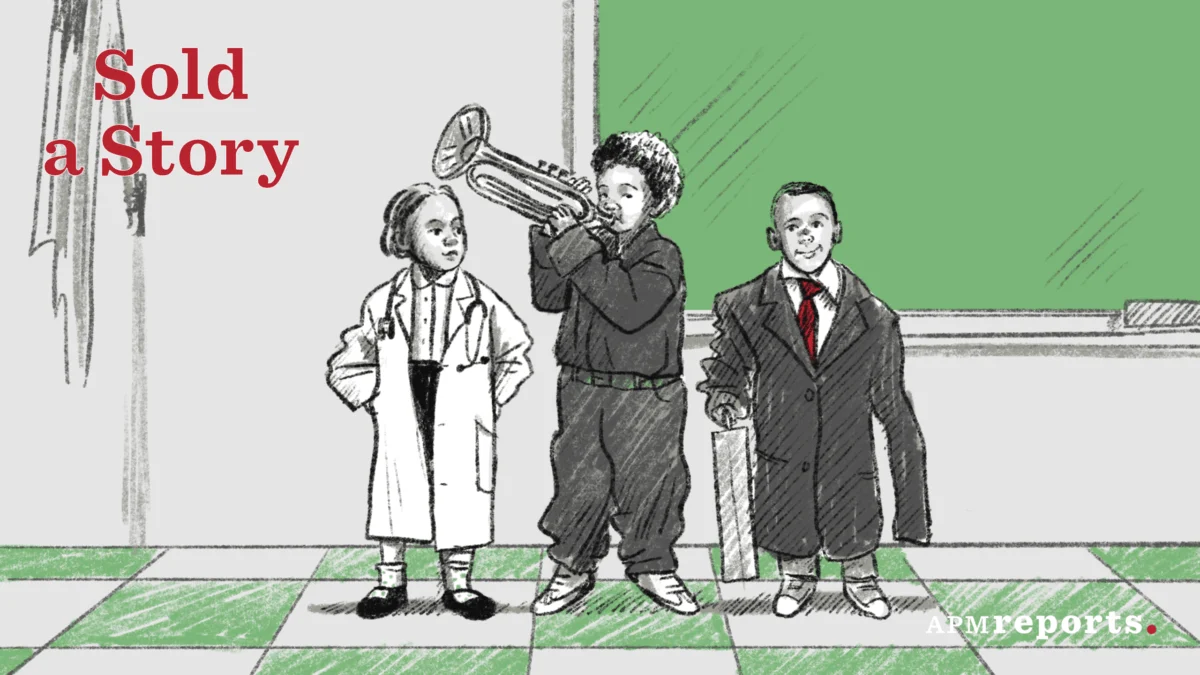
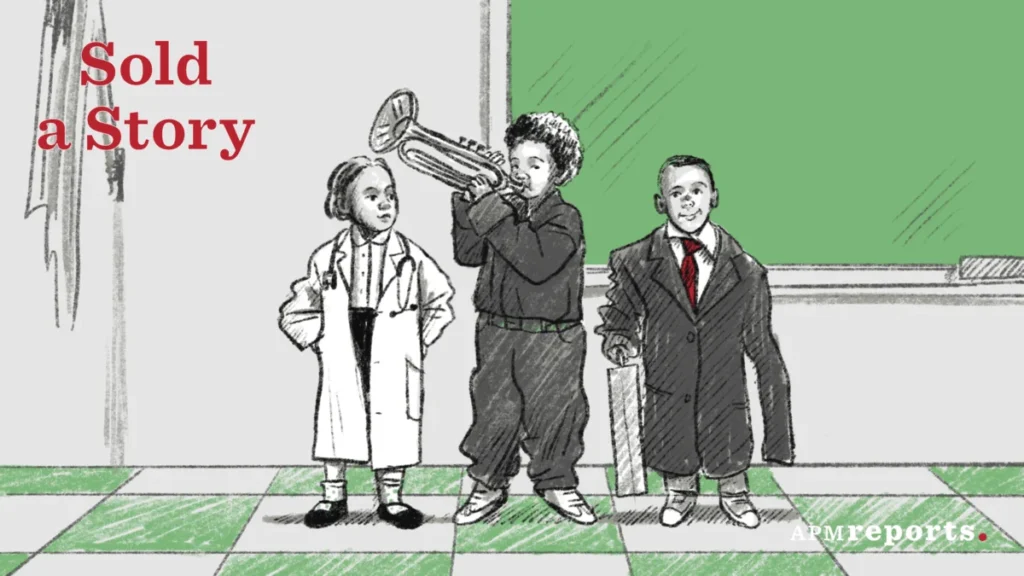
The national conversation surrounding education reform often focuses broadly on curriculum overhaul, funding disparities, and standardized testing metrics. However, beneath the systemic debates lie individual classrooms where pedagogical choices directly dictate whether a child succeeds or falls behind. The acclaimed investigative podcast Sold a Story, produced by APM Reports, has spent years examining the mechanics of how children learn to read and how educational philosophies shape classroom realities. While Season 1 exposed systemic flaws in reading instruction that sparked a nationwide reassessment, Season 2 broadens its lens to evaluate the fundamental approaches to teaching itself.
In Season 2, Episode 4 of the podcast, titled "What can you do for my Black children?", the narrative shifts to a compelling case study set within a historically under-resourced, predominantly Black neighborhood in Houston, Texas. At the center of this story is Principal Thaddeus Lott, an educator who chose a radically structured path to tackle academic stagnation. By implementing an approach known as "direct instruction," Lott transformed a struggling elementary school into a powerhouse of student achievement, yielding results that ultimately placed his students ahead of peers attending significantly wealthier institutions across the region. Yet, the extraordinary nature of these academic gains also invited intense scrutiny, skepticism, and debate over what constitutes effective education in marginalized communities.
The academic landscape in the United States has long grappled with achievement gaps tied directly to socioeconomic status and race. For generations, schools in low-income neighborhoods have struggled with chronic underfunding, high teacher turnover, and instructional models that critics argue fail to provide rigorous, foundational learning. In Houston, Thaddeus Lott sought to disrupt this cycle by embracing direct instruction, a highly explicit, teacher-directed methodology characterized by scripted lessons, rapid-fire pacing, frequent student responses, and continuous assessment.
Unlike student-centered or inquiry-based learning models—which emphasize discovery and independent exploration—direct instruction places the teacher firmly at the helm of the classroom. Concepts are broken down into small, manageable steps, and students are guided through intensive practice until mastery is achieved. Proponents argue that this structured clarity is particularly beneficial for students who may enter the school system with fewer educational resources at home, leveling the playing field through rigorous, unambiguous academic rigor.
Under Lott’s leadership, this methodology was systematically woven into the daily routine of the Houston elementary school. Teachers delivered lessons with precision, ensuring that every student actively participated and understood the material before moving forward. The impact on student performance was swift and profound. Standardized test scores surged, and children who had previously been written off by a struggling educational pipeline began mastering advanced academic concepts. Soon, Lott’s students were not merely meeting grade-level expectations; they were outperforming students attending schools in much wealthier, well-resourced districts.

While the academic improvements documented at Lott’s school offered a beacon of hope for advocates of structured learning, the magnitude of the success also provoked skepticism. In education, when achievement gains deviate drastically from established demographic trends, they often invite intense examination from both peers and researchers. Some educational theorists and administrators viewed the rapid turnaround with doubt, questioning whether such remarkable results could be sustained, replicated, or achieved without compromising other vital aspects of a child’s development.
The skepticism surrounding Lott’s results touches upon a broader philosophical divide in American education. For decades, traditional pedagogical circles have debated the merits of explicit instruction versus progressive educational philosophies. Critics of highly structured models have sometimes characterized direct instruction as rigid, rote, or overly restrictive, arguing that it leaves insufficient room for critical thinking, creativity, or student autonomy. However, educators and researchers who champion the model point to concrete outcomes, arguing that academic fluency and foundational mastery are prerequisites for true critical thinking.
The investigative reporting in Sold a Story explores these tensions by examining the human element behind the statistics. The podcast delves into what these academic breakthroughs meant for the children and families in the Houston community, framing the debate not merely as a technical argument over pedagogy, but as a question of equity and accountability. For the parents of these Black children, the central question was practical rather than theoretical: What could the school system do to ensure their children received an education capable of breaking cycles of poverty and opening doors to future opportunity?
The story of Thaddeus Lott’s success in Houston resonates deeply with the core themes of Sold a Story. While the podcast’s first season revealed how widespread adoption of flawed reading methods—such as cueing strategies—left millions of children struggling to read, Season 2 broadens the inquiry to examine the structural and philosophical choices that govern everyday instruction.
As school districts nationwide continue to grapple with post-pandemic learning recovery, persistent achievement gaps, and the ongoing reassessment of instructional materials, the lessons from Houston remain profoundly relevant. The debate over direct instruction highlights the constant tension between systemic inertia and innovative leadership in public education. It underscores the reality that transforming school culture requires not only financial investment, but a rigorous, unwavering commitment to instructional clarity and high expectations for every student, regardless of background.
Through meticulous audio journalism, APM Reports continues to bring these critical discussions to the forefront, challenging educators, policymakers, and communities to look closely at what actually works inside the classroom. By revisiting the remarkable turnaround led by Thaddeus Lott, the podcast invites listeners to reconsider the assumptions that govern modern schooling and to ask hard questions about how best to serve children who have historically been underserved by the educational system.