 11

Major U.S. carriers are continuing a controversial pricing strategy that penalizes solo and business travelers by charging them significantly higher fares than passengers booking in groups of two or more. New data analysis reveals that the practice, which first sparked national outcry last year, remains active across multiple major airlines.
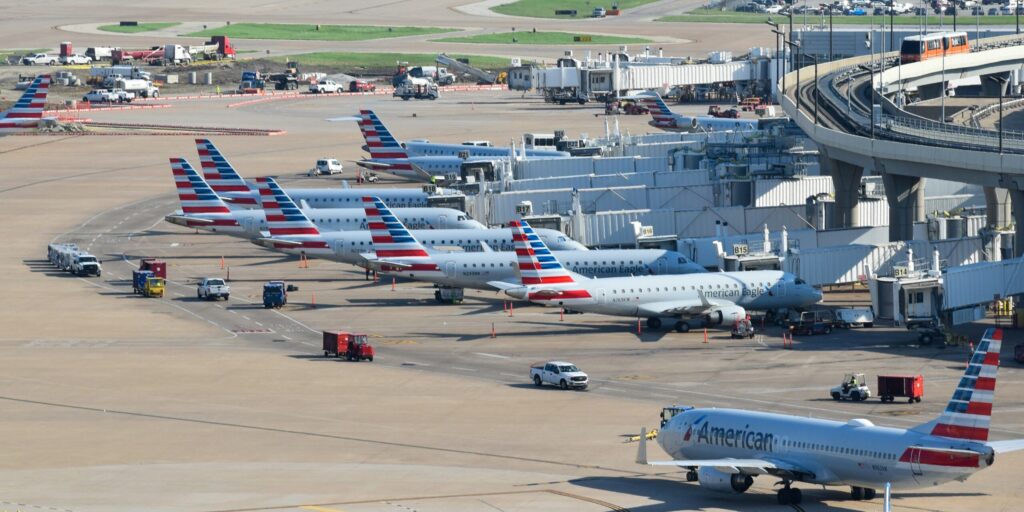
The issue first came to light when travel analysts revealed that the nation’s largest network carriers were quietly implementing distinct pricing structures that drove up costs for individual passengers. The initial reporting sparked widespread media attention, prompting intense public scrutiny and forcing several airlines to temporarily dial back the practice. However, a fresh analysis of thousands of flights across the nation’s largest carriers shows that the tactic is far from gone and may be expanding.
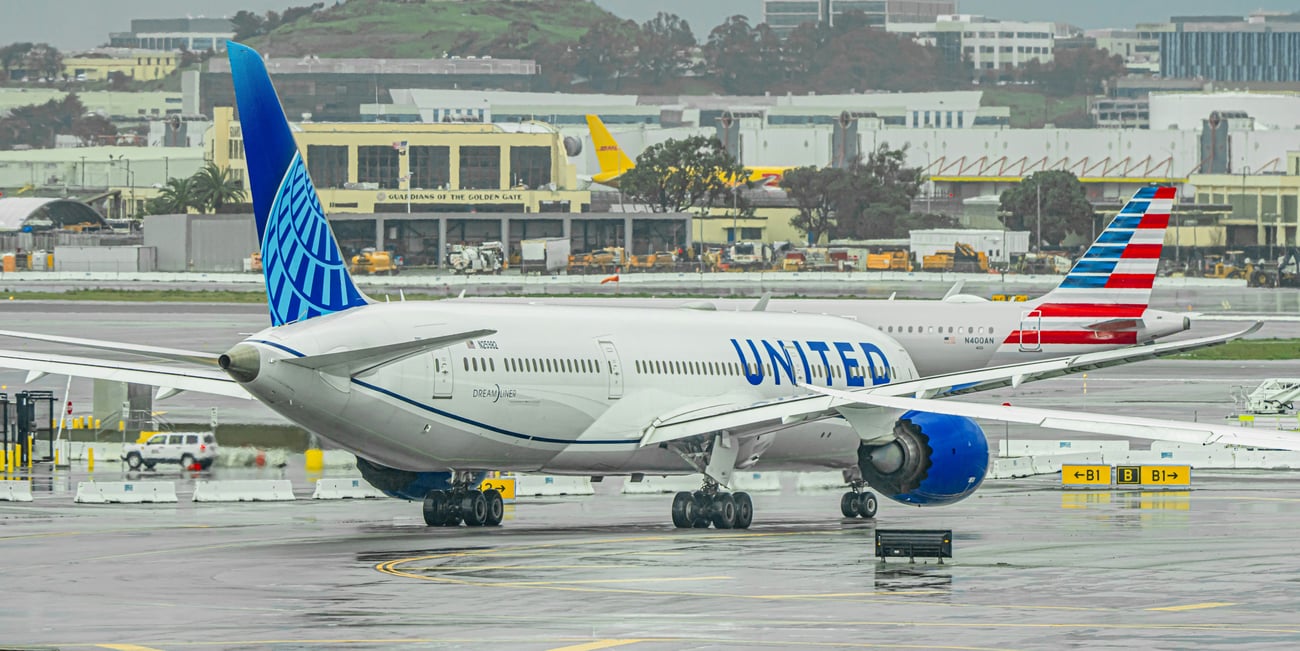
Recent data collection examining thousands of flights across major U.S. carriers highlights stark pricing disparities. While airlines traditionally market their tickets uniformly, researchers found instances where searching for a single passenger yielded drastically higher rates than searching for multiple seats on the exact same flight, cabin, and itinerary.
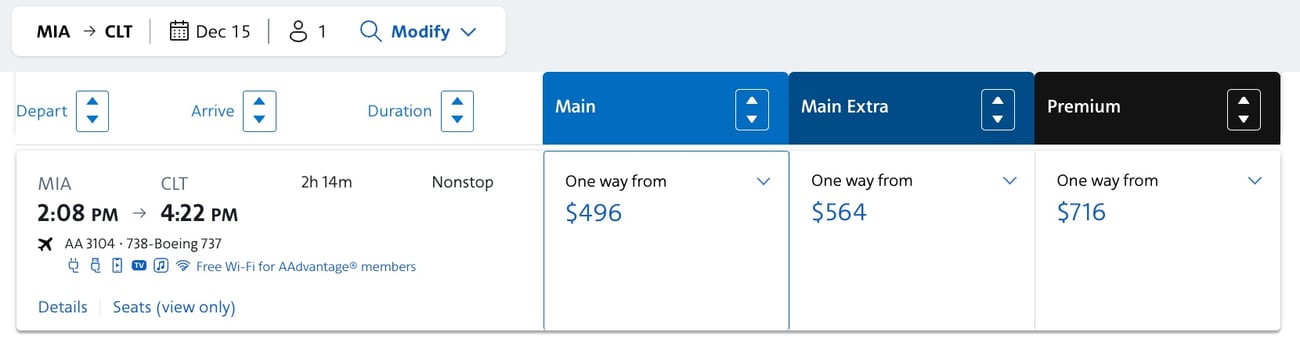
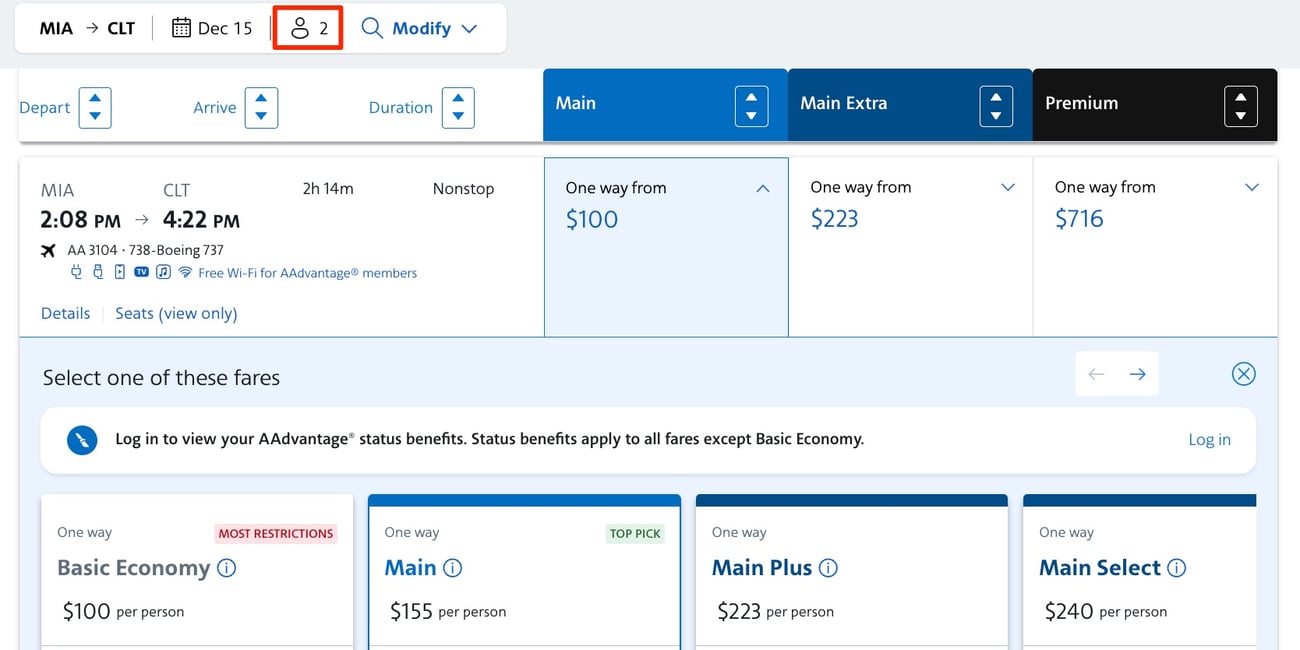
A stark example of this dynamic played out on a nonstop route from Miami to Charlotte. A single traveler looking to book a Main Cabin economy seat for a flight faced a fare of nearly $500. However, when researchers added a second passenger to the exact same search query, the price for that identical seat dropped sharply. Furthermore, adding a second passenger unlocked lower-tier fare classes, such as basic economy tickets, that were entirely invisible and unavailable to the solo searcher. In some extreme scenarios highlighted by the data, purchasing multiple main cabin tickets for a group cost less overall than buying a single ticket for an individual traveler.
Airlines have largely declined to address the pricing discrepancy publicly. Major carriers did not respond to requests for comment regarding the mechanics of these fare differences, reflecting an industry-wide reluctance to explain a practice that critics describe as an intentional penalty for single flyers.

Industry observers note that this pricing model relies on sophisticated revenue management algorithms designed to extract the maximum possible revenue from different market segments. Airlines have made a calculated bet that solo flyers—particularly those traveling for corporate purposes—are less price-sensitive because their expenses are typically covered by employers. By segmenting travelers based on party size, airlines can effectively charge higher rates to individuals who have little flexibility while offering more competitive pricing to attract paired travelers or leisure groups.
This approach fits into a broader pattern of dynamic pricing strategies utilized by commercial airlines to maximize yield on every aircraft. Historically, airlines adjusted ticket prices based on how far in advance a ticket was purchased, historical demand, and seat availability. The introduction of party-size-dependent pricing introduces a new layer of complexity, transforming the number of passengers in a single reservation into a key pricing variable.
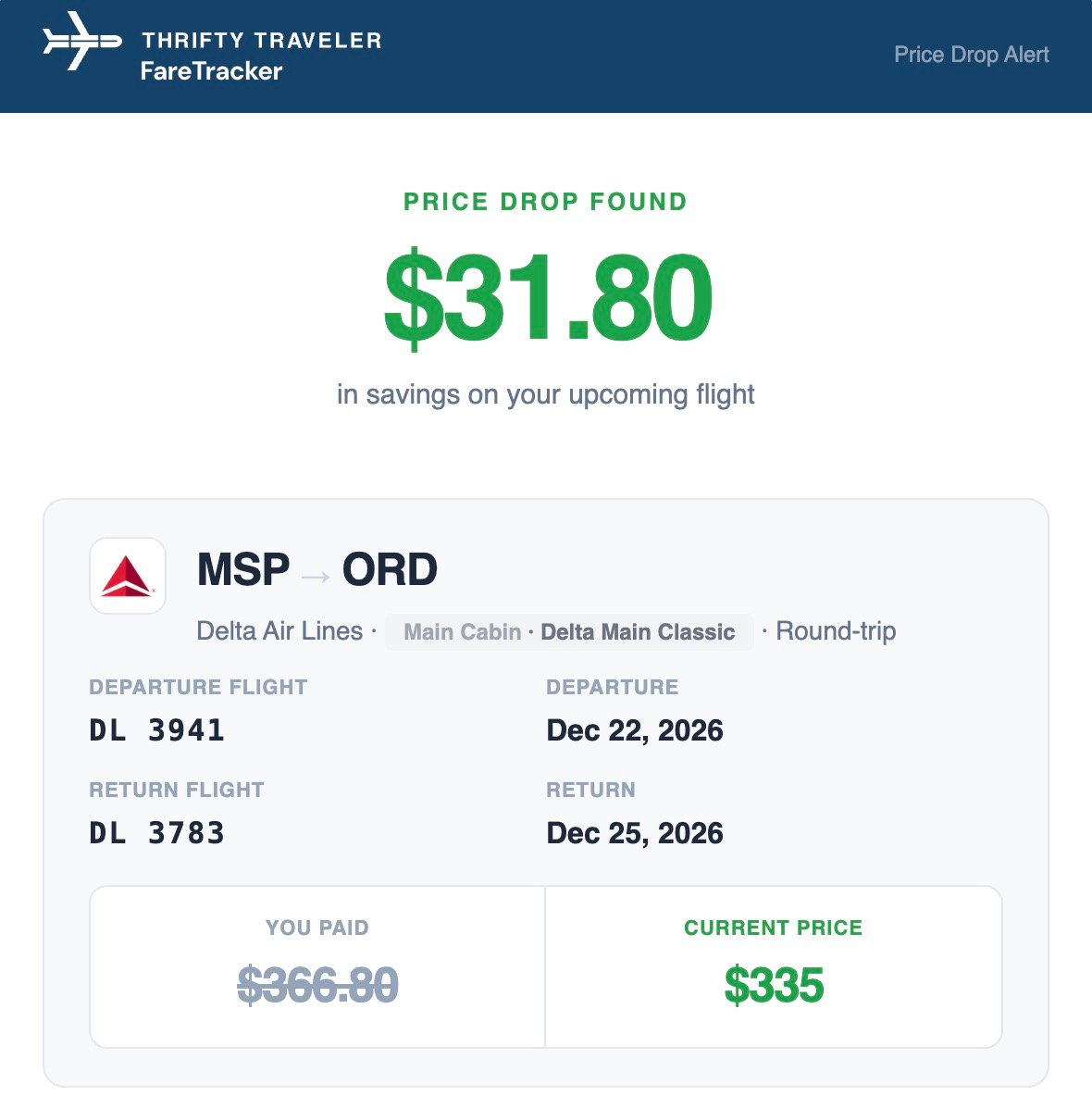
When the trend was first uncovered, industry experts considered the pricing anomalies to be relatively isolated or erratic occurrences. The latest findings, however, suggest that the practice has become more embedded in airline pricing software. As carriers continue to refine their yield management systems, solo travelers face an increasingly challenging landscape when trying to secure fair market rates for individual journeys.
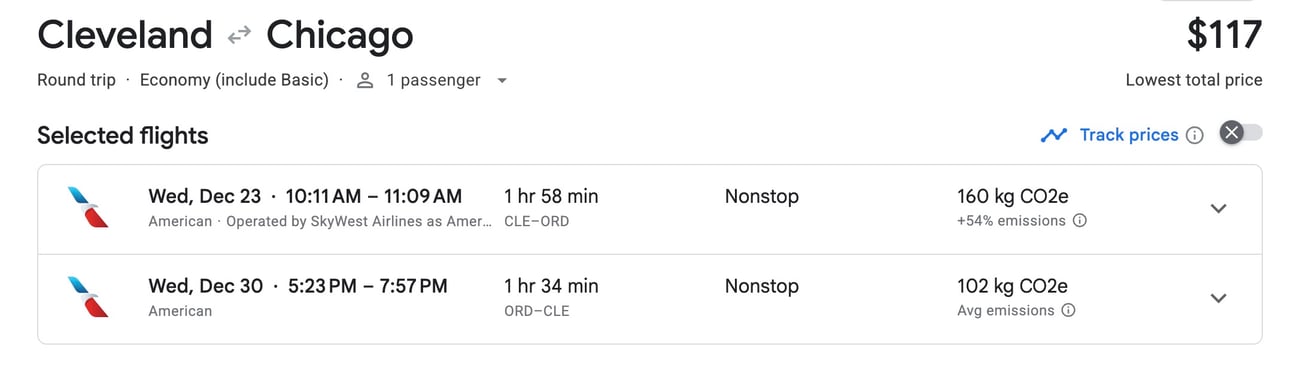
In addition to ongoing concerns over fare structures, travelers navigating the holiday season are facing distinct trends regarding airfare availability. While booking windows for Thanksgiving travel have largely closed for those seeking affordable options, recent data indicates that opportunities still remain for travelers looking to secure reasonable fares for Christmas and New Year trips.

Recent fare tracking data shows that prices for holiday routes, such as those connecting major hubs to popular destinations like Chicago and Nashville, have experienced unexpected dips. Travel analysts emphasize that while holiday airfare typically rises steadily as December approaches, monitoring price fluctuations and utilizing fare tracking tools can still yield lower rates for flexible flyers, even as the peak travel season draws closer.