 11
For many households, a dog is much more than simply a pet. They function as integral family members, serving as eager companions for morning jogs and afternoon excursions before settling in as the ultimate accompaniment for a quiet evening on the couch.

At least, that is the ideal situation depicted in popular media and daydreams. In the real world, a dog who receives inadequate attention and exercise—or, conversely, one that suffers from over-stimulation and exhaustion—can present significant behavioral challenges for owners. While warning signs can range from mild restlessness to destructive chewing, expert dog trainer and author Suzanne Clothier offers a remarkably straightforward diagnostic standard for canine well-being: "Can you watch TV or read a book in peace? If not, the dog’s telling you something."
While the behavioral warning signs of an unfulfilled dog are often obvious, the underlying challenge is that there is no universal, one-size-fits-all solution for keeping dogs active, happy, and balanced. Although certain breeds carry reputations for endless energy, Clothier emphasizes that canine contentment relies far more on individual personality than pedigree.
"It’s about the individual temperament. It’s not necessarily about the breed," Clothier said. "You know, everybody thinks about the high-powered border collie. I know border collies who had just magnificent on-off switches. They’re like, ‘Let me know if you need me to work; otherwise, I’m just going to amuse myself.’"
Because there is no single quick fix for a bored or anxious dog, modern advancements in enrichment toys, professional training philosophies, and specialized equipment are making it significantly easier for owners to provide their animals with a fulfilled life. Leading certified dog behaviorists and trainers emphasize that comprehensive canine care requires a careful balance of physical exercise, mental stimulation, proper nutrition, and safe outlets for natural instincts.
Professional trainers agree that living alongside a dog inherently involves continuous education. Miranda LaMorte, head trainer at Adventure Tails Training and a Training Without Conflict certified professional, notes that training extends far beyond the traditional commands of sitting, staying, or rolling over.
"Everything is training," LaMorte said. Simply sharing a home with a dog means constantly communicating what behaviors are acceptable and which are not. To navigate this process effectively, trainers recommend specific tools that should belong in every owner’s kit, starting with how rewards are delivered.
Because food drive is typically the most accessible motivation in domestic dogs, working with treats remains an efficient way to reinforce positive behavior. However, trainers advise mindfulness regarding how those treats are presented to prevent the owner’s body language from overshadowing the lesson.
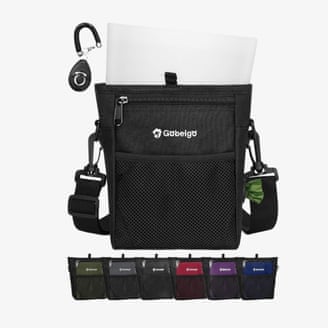
"If you’re always laboriously working a treat out of your pocket, all of a sudden you reaching your hand and digging around in your pocket becomes the entire cue to the dog," LaMorte explained. "It kind of overshadows any learning. So, if you’re working with food, I do think an easy treat pouch that makes it easy for you to access your food is extremely helpful."

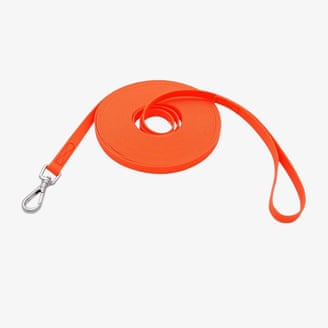
Alongside reliable treat pouches, trainers advocate for long lines—extended leashes measuring 30 feet or more—to provide safe freedom during outdoor excursions. Clipped to the back of a well-fitted harness, a long line allows a dog to explore and sniff their environment while ensuring they remain safely under control.
While playing fetch remains a staple activity for dogs and owners alike, experts caution against relying exclusively on physical exhaustion to manage high-energy animals. Purely physical conditioning risks turning a dog into an endurance athlete that simply demands longer and more strenuous workouts every day.
"We want to be careful that we’re using their minds and not just their bodies," Clothier said. "Sometimes people say, ‘I took them for an hour walk, and he still needs more. So now I’m doing an hour and a half.’ I remind clients that’s how you build a marathon runner."
Integrating mental challenges into physical games can dramatically improve the quality of exercise. Changing how a ball is thrown—such as asking the dog to stay while tossing the toy into tall grass or brush, then releasing them to track it down using their nose—engages natural foraging instincts and provides deep mental satisfaction without requiring miles of running.
Furthermore, trainers emphasize the importance of pacing training and play sessions carefully. Rather than pushing an animal to the point of frustration or fatigue, sessions should conclude once the dog demonstrates a clear understanding of the task at hand, preventing overstimulation and ensuring positive associations.
Mealtimes offer a prime opportunity to incorporate cognitive enrichment into a dog’s daily routine. According to Rebecca Estel King, a certified dog behavior consultant and Fear Free certified professional at the Ohio State University Veterinary Medical Center, dogs actively prefer food that requires effort over food served passively in a traditional bowl.
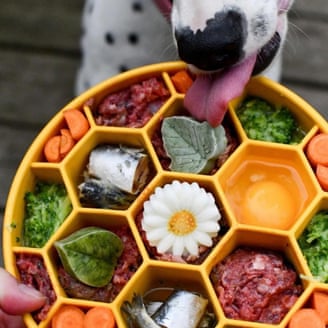
This behavioral phenomenon, known as contrafreeloading, closely mirrors how canine ancestors would forage and hunt for sustenance in nature. By utilizing slow-feeder bowls, puzzle toys, and interactive dispensers, owners can transform a routine feeding into an engaging mental workout.
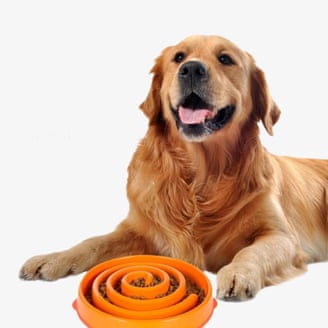
Slow-feeder bowls feature internal ridges and grooves that prevent dogs from consuming their meals too rapidly, thereby reducing the risk of swallowing excess air or regurgitating food. Similarly, alternative feeding tools—such as rubberized treat dispensers and weighted wobblers—encourage problem-solving and provide soothing outlets through repetitive licking behaviors.
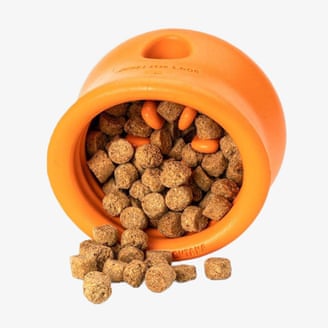
However, experts stress the importance of maintaining hygiene standards for all feeding tools. Daily washing with hot water and dish soap prevents the accumulation of biofilm, which can cause gastrointestinal upset and contribute to dental disease.
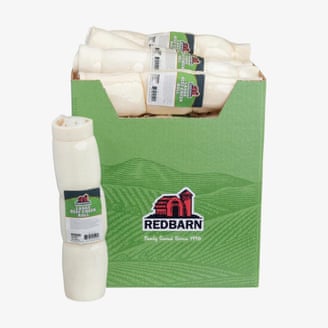
Chewing is a natural, self-soothing behavior for dogs, but selecting appropriate items is critical for safety. Experts strongly advise against traditional rawhide chews, which can soften and break apart into pieces that pose severe intestinal blockage risks, particularly for smaller breeds. Safer alternatives include natural beef cheek rolls and bully sticks.
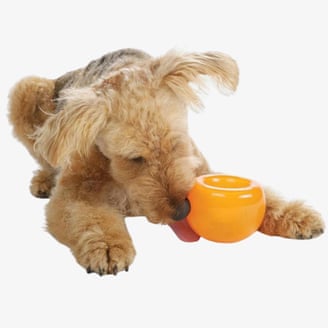
When introducing any new chew or interactive toy, veterinary behaviorists recommend vigilant supervision. Dr. Christopher Pachel, a doctor of veterinary medicine and certified animal behavior consultant, highlights the necessity of monitoring how a dog interacts with novel items.
"Safety comes first, always," Dr. Pachel said. "I recommend supervision any time you’re introducing something new, until you’ve confirmed a few things: that the toy isn’t a swallowing or choking hazard for that particular dog, that it isn’t creating any resource guarding concerns, and that your dog is able to engage and disengage from it appropriately without escalating or overdoing it."
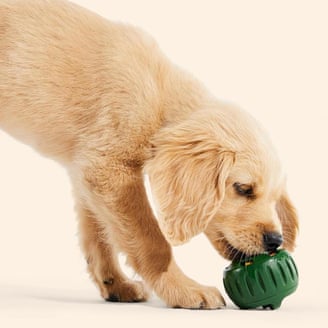
If resource guarding does emerge around food or high-value toys, experts advise against punishment or forced removal, recommending instead that owners consult a qualified, science-based professional who utilizes positive reinforcement techniques.
When inclement weather or logistical constraints limit outdoor access, indoor enrichment becomes essential. Tapping into a dog’s natural sense of smell through structured scent work provides exceptional mental stimulation within the confines of a home.
Clothier notes that the anticipation of solving a puzzle—such as tracking a hidden scent or finding treats concealed within cardboard tubes—triggers significant dopamine releases in the canine brain, satisfying deep-seated seeking instincts.
Ultimately, whether engaging in indoor scent games, playing a controlled game of tug-of-war, or embarking on long outdoor explorations, maintaining a balanced approach to canine health ensures that pets remain mentally stimulated, physically safe, and content companions.