 11
For Chiara Giovanni, the aftermath of her marriage ending last year brought about more than just emotional turmoil—it left her apartment in a state of physical and psychological stagnation. Living in her rental in Astoria, Queens, the 32-year-old management consultant found herself surrounded by items that made it difficult to move forward. She felt weighed down by what she described as the "emotional hangovers" of physical possessions that were simply too painful or difficult to part with on her own.

"I wanted to take steps toward making this a forever home," Giovanni said of her living space, acknowledging that she lacked the wherewithal to manage the transformation by herself. To break the deadlock, she enlisted the services of Melissa Riepe, a professional organizer based in nearby Sunnyside who frequently works with clients navigating major life transitions, particularly post-breakup eras.
"I had complete paralysis around anything that belonged to my ex," Giovanni told the press, recalling items like a sentimental Bronx Science sweatshirt that remained trapped in limbo. That particular keepsake, along with other remnants of the relationship, has since been boxed up, awaiting the day—which she notes is fast approaching—when she feels emotionally ready to hand them back.

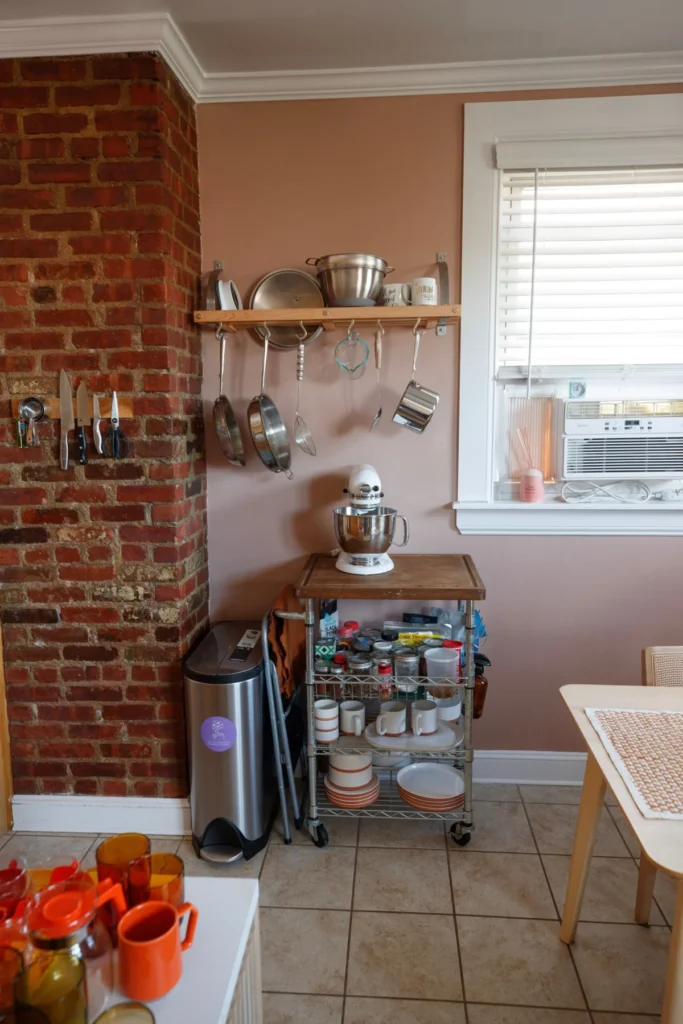
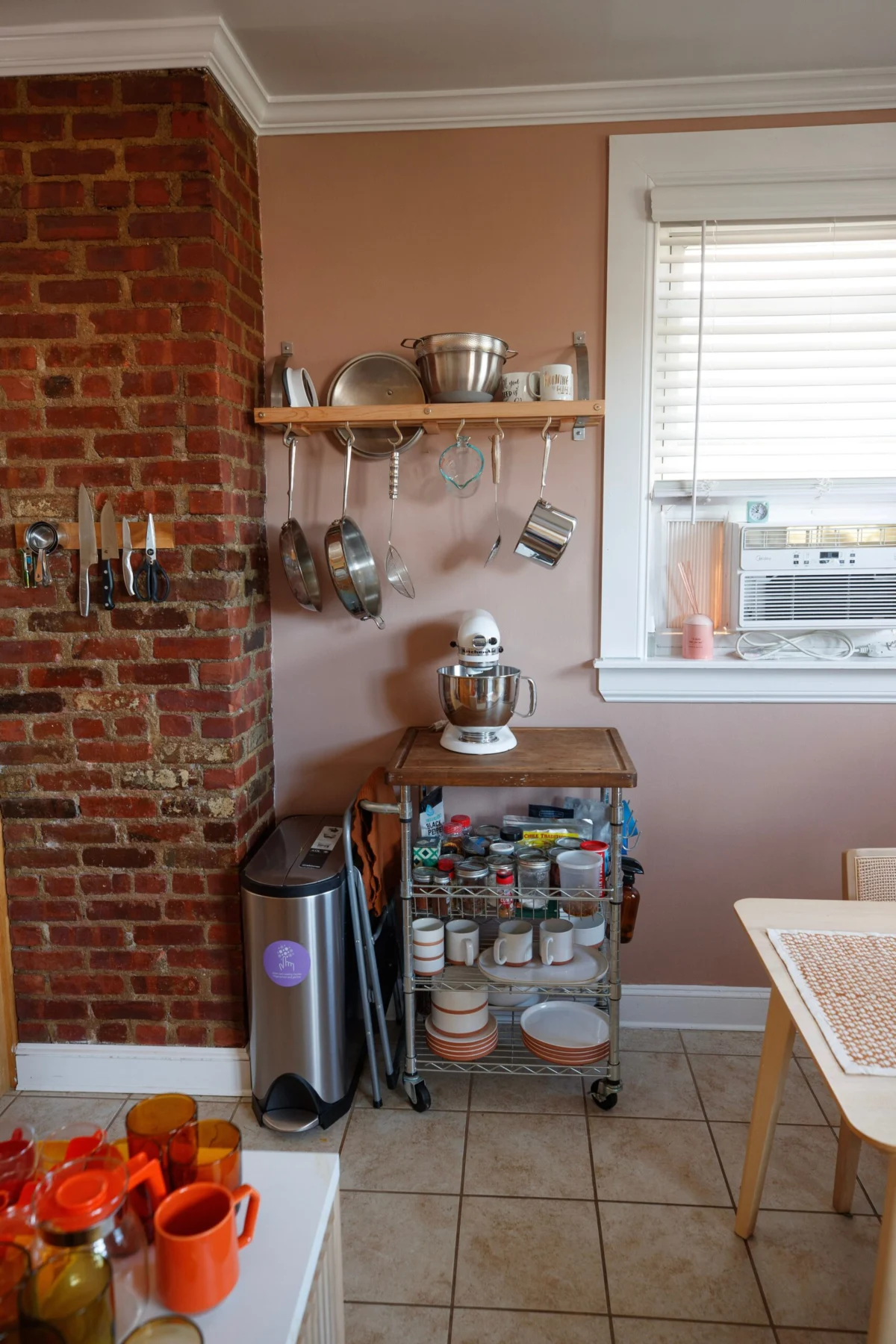
The transformation of Giovanni’s apartment went far beyond merely clearing out a closet. Previously, a sunlit windowed nook off her kitchen was rendered practically unusable due to accumulated clutter. With Riepe’s guidance, that chaotic corner was converted into a bright, functional eat-in space. Over the course of several months, the organizer also helped Giovanni cull a wardrobe leftover from her younger years to usher her into a new chapter of life. Though there was initial grief in adjusting her style—such as parting with painful stilettos that were routinely causing foot pain—the physical clearing yielded a profound psychological shift.
"Now I have a home that feels like my own and not a waiting room for another partner," Giovanni said.

Breakups may be painful for those experiencing them, but they represent a booming sector for professional organizers like Riepe, who notes that relationship endings are among the most common catalysts prompting clients to pick up the phone. Across North America, the organizing industry has evolved into a massive growth market since its inception roughly forty years ago.
According to Jalene Bowersmith, executive director of the National Association of Productivity and Organizing Professionals (NAPO)—an organization boasting approximately 2,000 members—the market size for professional organizers in North America stands at an estimated $3.5 billion. Industry projections indicate that this figure could climb to roughly $6 billion by 2031, driven by a steady demand from individuals seeking structured, professional assistance with their living environments.

While digital platforms like TikTok offer endless streams of rapid-fire before-and-after home transformations, Bowersmith points out that these brief videos rarely capture the intricate, often grueling reality of the process. "People can always try to do it themselves," Bowersmith said. "But on TikTok, you see a before and after, and a quick video of a messy room being organized. You are not seeing the whole process."
For many, the emotional weight of tackling years of accumulation requires a sympathetic, external ally. As Bowersmith notes, "The emotional side of it is one reason organizing professionals exist." Of course, that specialized support comes with financial considerations. Prices vary widely depending on the region and scope of the project, but hourly rates can reach up to $250 on the high end. Organizers typically structure their services around half-day or full-day sessions, alongside comprehensive packages spanning multiple visits.

Major life changes consistently serve as the pivotal moments when individuals finally feel ready to bring order to their homes and their lives. Crucially, experts emphasize that clients must first reach a point of emotional readiness to declutter, which remains the foundational and most necessary step in any successful organizational overhaul.
"Decluttering automatically solves a lot of organizing challenges," said Riepe, whose lifelong impulse to organize eventually morphed into a professional enterprise. She recalled how her organizing tendencies used to manifest as a "guilty habit" where she would instinctively tidy her friends’ kitchen counters while they sat and chatted.

Riepe launched her business, Honeybee Home Org—named after the Greek translation of her first name—roughly a year and a half ago after being laid off from a position in corporate sustainability. In building her client base, she quickly noticed a distinct demographic trend among those seeking her help: women in their thirties navigating the immediate aftermath of a breakup.
"I think a breakup usually hits women pretty hard," Riepe observed. "It really is a crossroads moment when they end a relationship in their thirties and have to evaluate their life moving forward."

The residue left behind by former partners often haunts these clients, according to Riepe, who has encountered everything from abandoned hoodies and basketballs to climbing gear left behind in closets and hallways. Other clients cope with the stress of a split through compulsive shopping, leaving them buried beneath mountains of brand-new clothing with tags still attached and expensive, unused hobby equipment.
"They describe themselves as out of control," Riepe said of her clients’ initial states of mind. "They open the door with embarrassment and shame."

Beyond relationship terminations, another major catalyst for hiring a professional organizer is family planning. Riepe regularly works with clients who are in the midst of preparing for a new baby, many of whom failed to pare down their belongings when they initially moved in with a partner. These expectant parents frequently find themselves stressed about the prospect of squeezing an infant into a small, poorly configured urban space.
That exact challenge confronted Lara Roth, a software engineer living in Greenpoint, Brooklyn. Preparing for a baby, Roth had felt overwhelmed by chronic clutter for nearly five years—ever since her husband moved into her rent-stabilized railroad apartment. Because the apartment is rent-stabilized, relocating to a larger space would mean either leaving the neighborhood entirely or facing housing costs that could triple.

The couple’s bedroom previously featured a pair of oversized Pottery Barn nightstands that became completely disproportionate after they upgraded to a queen-sized bed. "Every day I woke up with anger toward my room," Roth said.
With Riepe providing much-needed encouragement and an objective eye, Roth sold the bulky nightstands and drastically reduced the massive collection of cosmetics and tangled cords that had choked the furniture’s drawers. The result opened up enough square footage in the bedroom to comfortably accommodate a bassinet. Riepe’s overhaul also extended to Roth’s kitchen and clothing closets, successfully optimizing every available inch of storage.

"I felt so embarrassed about the apartment for so long," Roth recalled. The decluttering process, she added, "changed my mental state and my day-to-day. It was transformative for my vision of my life. It doesn’t feel like having a child is impossible."
In space-starved New York City apartments, where standard one-bedroom units often measure between 300 and 900 square feet, professional organizers face unique spatial constraints that require rigorous decision-making. "We must be very strict about what these clients keep," said Sharon Lowenheim, who has operated her practice, Organizing Goddess, out of her Manhattan apartment for two decades.

"The pain of living with the clutter has started to outweigh the discomfort of getting rid of things," Lowenheim noted.
While the vast majority of professional organizers and their typical clientele are female, practitioners do encounter male clients on occasion, particularly men who have recently experienced a divorce. Couples also hire organizers together, though joint projects do not always feature two equally enthusiastic participants.

"The wife wants the organizer to organize the husband’s stuff, and that’s a huge no-no," Bowersmith cautioned regarding professional boundaries. "That’s a boundary we cannot cross."