 11
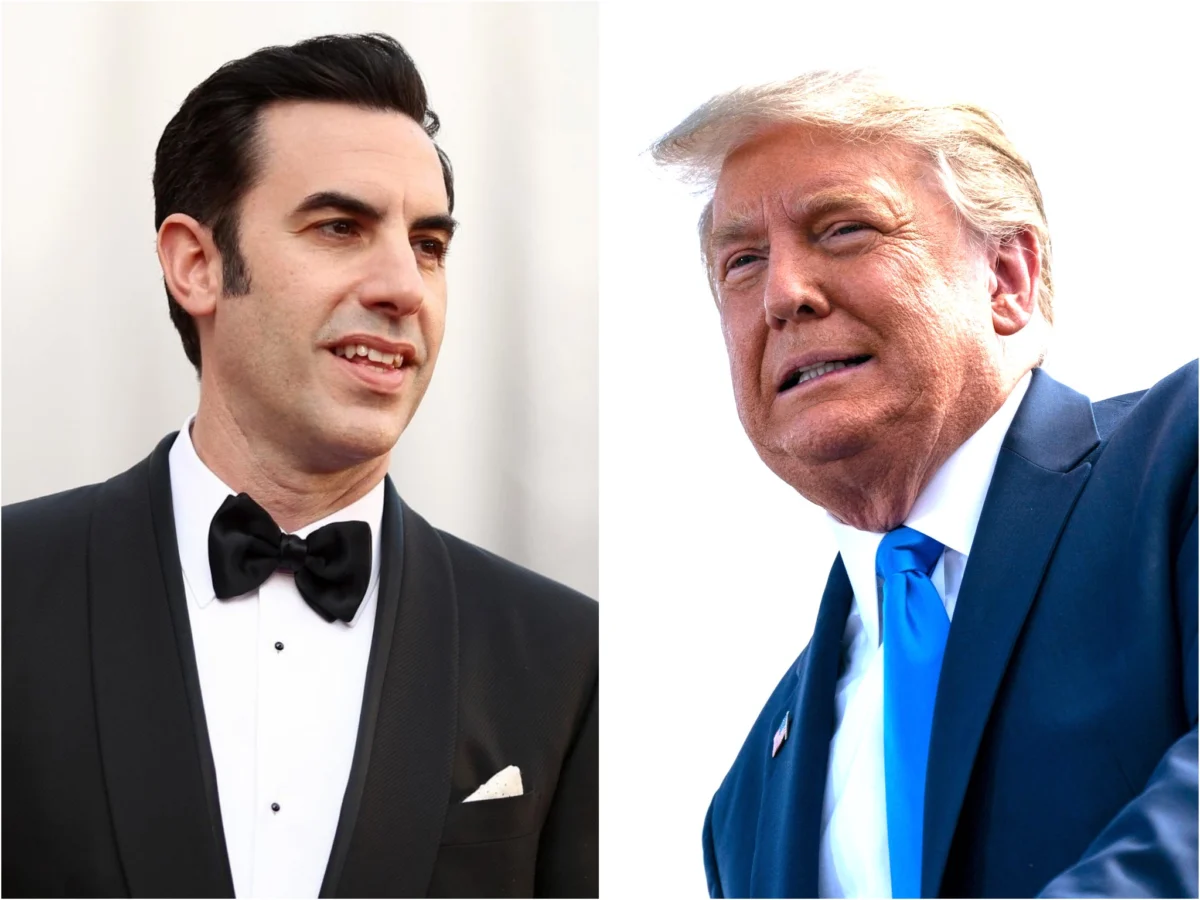
Sacha Baron Cohen has argued that Donald Trump possesses “elements of brilliance,” asserting that critics and political opponents have routinely and dangerously underestimated the US president throughout his career.
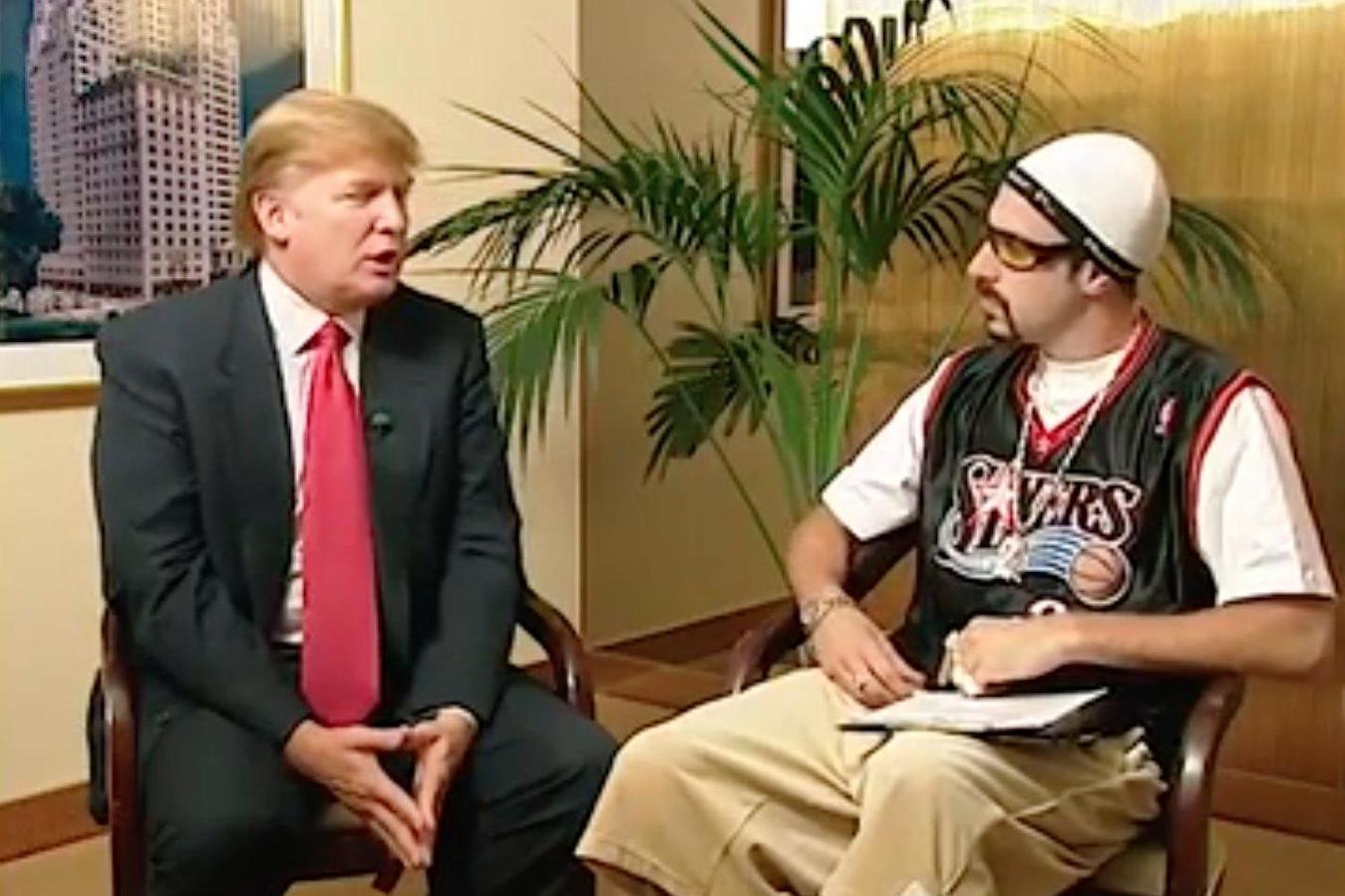
The 55-year-old actor, who famously sat down with the then-businessman and reality television star in character as his clueless aspiring-journalist persona Ali G for Da Ali G Show back in 2003, maintains that the broader public and political establishment have consistently failed to judge Trump accurately or understand the true mechanics of his political appeal.
Reflecting on Trump’s enduring political survival during a recent appearance on the Happy Sad Confused podcast, Baron Cohen didn’t hold back his observations regarding how the American leader managed to secure and sustain a second term in the White House.
"I mean, how has he survived a second term? People underestimated him," Baron Cohen told the podcast host. "We were too easy to dismiss him as a nincompoop. There are elements of brilliance to him, otherwise."
The British comedian and satirist elaborated on how this underlying astuteness explains the profound connection Trump has forged with millions of voters across the United States. According to Baron Cohen, this strategic sharpness is precisely what accounts for "the fact that he’s there for a second term, the fact that he’s transforming this country." However, the actor carefully avoided evaluating those sweeping political changes through a partisan lens, adding, "I won’t say positively or negatively."
The relationship between the actor and the politician dates back more than two decades, originating from a notorious faux interview that did not go smoothly behind the scenes. Recalling their television encounter from 2003, Baron Cohen revealed that Trump was initially under the impression he was engaging with a legitimate production led by acclaimed director James Bobin. However, the future president’s mood shifted dramatically and "immediately" once he realized he was actually conversing with the infamous, tracksuit-wearing Ali G.
"I actually met a woman who was in the car with him after that interview, and he was apparently furious," the comedian recalled during the podcast discussion, noting how seriously Trump took the awkward prank at the time. "He actually went out publicly a couple of times to criticise me. And in the end, we used all those clips and used them to advertise another show that I did."
Despite the friction of their initial meeting, the Borat and Bruno star has frequently analyzed Trump’s unique public persona and communication style with a satirist’s eye. Speaking previously on the Pivot podcast, Baron Cohen characterized Trump as genuinely "amusing," highlighting that there is "a huge amount of comedy in the way he speaks."
Expanding on that media analysis, the actor suggested that the president’s unconventional communication methods are far more deliberate than many give him credit for. "He’s intentionally being funny," Baron Cohen said. "And if you have a look on the far right, they use comedy and sarcasm as an engaging way to dismiss criticisms."
Baron Cohen’s reflections on political communication and modern rhetoric coincide with his decision to resurrect his most famous satirical creations. The actor recently outlined his motivations for bringing back the iconic Ali G persona for a brand-new feature film titled Ali G: Who Iz I?, returning to a character that defined late-1990s and early-2000s comedy culture.
Explaining the rationale behind reviving the controversial character for a modern audience, Baron Cohen told Time magazine that the passage of time has only made the persona more relevant. "The fact that Ali G is outdated and problematic is the very reason I resurrected him," he explained.
"The world he’s returned to is, in many ways, worse than the one he left 20 years ago. All the prejudices my characters are designed to expose haven’t just lingered — they’ve metastasised. They’re fuelled by the greatest propaganda machine in history — social media — and now by its monstrous child, AI."
Baron Cohen expressed deep concern that prejudice and discriminatory attitudes have "gone mainstream" in the decades since Ali G first rose to international prominence on Channel 4 and HBO. He contrasted the social environment of his early career with the current political and cultural climate, arguing that bigotry is no longer something that requires deep prodding to uncover.
"Back when I first created Borat, it took a few minutes — or a few drinks — to get people to reveal the racism that often simmered below the surface," the actor stated, reflecting on his undercover style of satire that tricked unsuspecting members of the public into exposing their own biases.
"Now, those views have gone mainstream — whether it’s fans hurling slurs and abuse at Black players during the World Cup or hundreds of white nationalists marching through Washington, D.C., on July 4."