 11
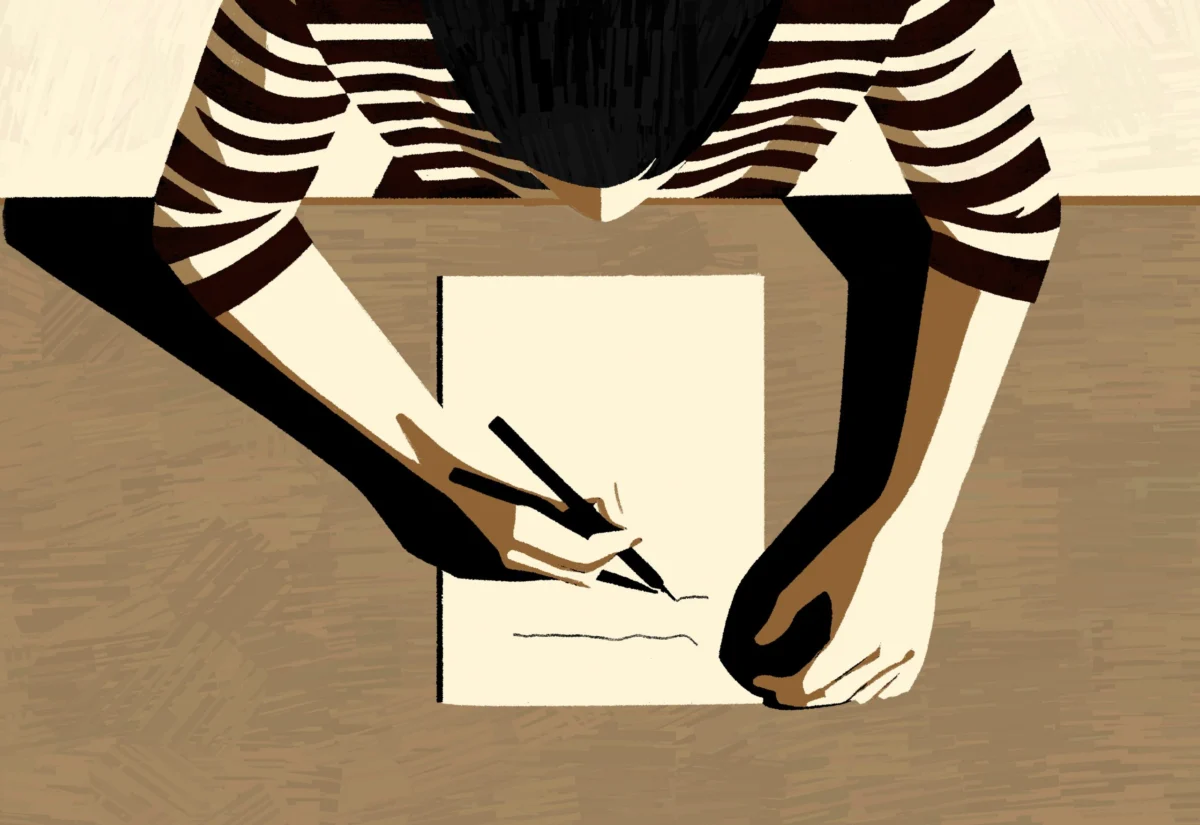
When Paula Grieve first walked into a prison writing workshop, the stark reality of her environment was difficult to escape. The shadowed room contained little more than a dozen mismatched plastic chairs and a few warped tables, offering a stark contrast to the internal weight she carried. Before signing up, Grieve had struggled with a lingering, profound melancholy following two grueling years in a county jail that ultimately culminated in a life sentence.
Her depression threatened to pull her deeper into a dark abyss. During past periods of deep emotional pain in her life, she had turned to self-medicating with alcohol and drugs in an attempt to numb the suffering. However, sitting among her peers in that modest room, listening intently as they read their raw and honest writings aloud, she found a new kind of strength.
That turning point of illumination arrived when a fellow woman in the writing class shared a story of vulnerability so intense that Grieve had to dig her fingernails deep into her palms just to keep tears from spilling down her face. The self-inflicted physical pain, which left half-moons carved into her skin, instantly dissolved the moment she looked up. The speaker wore a fragile, relieved smile, exhaling deeply and smiling broader as if she had finally set down an unbearable, lifelong load.
The moment instantly brought to mind a famous observation by writer Maya Angelou: “There is no greater agony than bearing an untold story inside you.”
For Grieve, writing quickly transformed into a sanctuary, turning her mind into an incubator for ideas and reflection. With the patience and dedicated nurturing of the writing workshop professors, a flood of words began filling one notebook after another. She discovered a deep sense of intimacy in writing—a way of finally getting to know herself in relation to the wider world around her. If she is entirely honest with herself, her lifelong pursuit had always been intimacy.
First, she sought it through books during her childhood when her parents were too preoccupied to notice her withdrawing into herself; later, she sought it through romantic relationships with men. While poor choices and turbulent circumstances ultimately led to a diminished sense of self-worth and, eventually, to incarceration, the act of writing replenished a powerful sense of agency over her own life.
Her interest in writing actually predated her incarceration, but years of accumulated trauma—both physical and psychological—had severely stifled its growth. Writing workshops served as a catalyst, reigniting her passion for continuous learning and deepening her personal commitment to emotional and mental healing. Beyond individual therapy, writing workshops provide a vital, transformative educational opportunity for individuals who are effectively shut out of traditional college and university programs.
The scale of this educational exclusion is stark. In Florida, the state prison system houses more than 80,000 men and women, yet only a few hundred men and fewer than 30 women are actively enrolled in a formal higher education degree program.
Despite these systemic limitations, a fierce thirst for education and self-improvement persists. At the Homestead Correctional Institution for women in South Florida, more than 100 women enroll in at least one college-level class each semester. These courses are administered through Exchange for Change, a Miami-based nonprofit organization dedicated to bringing higher education into correctional facilities. The curriculum spans subjects such as fiction writing, journalism, and theater, offered in both English and Spanish. Some participants are even able to earn continuing education credits through Florida International University.
During a "Writing as Social Action" class taught by Florida International University Professor Tania Lopez, classroom discussions routinely examined both individual and collective responsibility. The assigned curriculum included zines—homemade, self-published magazines—created by a young woman who, as a teenager, had experienced the hardships of homelessness and food insecurity. Reading through those pages, Grieve felt a sudden, uncomfortable kinship with a reality she was initially loath to name: homelessness.
Looking back, Grieve had run away from home multiple times between the ages of 11 and 14, until her parents finally gave up and allowed her to leave. For the next seven years, she experienced intermittent homelessness, though she deliberately dressed her unstable living situation in opaque, socially acceptable terms to mask the reality.
"I’m in between places," she told her mother during phone calls from a long-term motel room in Tampa. "My boyfriend and I are on the outs," she casually explained to a friend when she showed up unannounced on a doorstep with a suitcase in hand. Later, after a severe car accident left her with a broken pelvis and she could no longer afford rent, she crashed on a friend’s couch.
Because she never literally spent a night sleeping out on the open street, she had failed to name what became glaringly obvious as she read the painful words on the zine’s artfully decorated pages. She had, in fact, been homeless. She had lived without stable, secure housing ever since leaving her family as a young teenager.
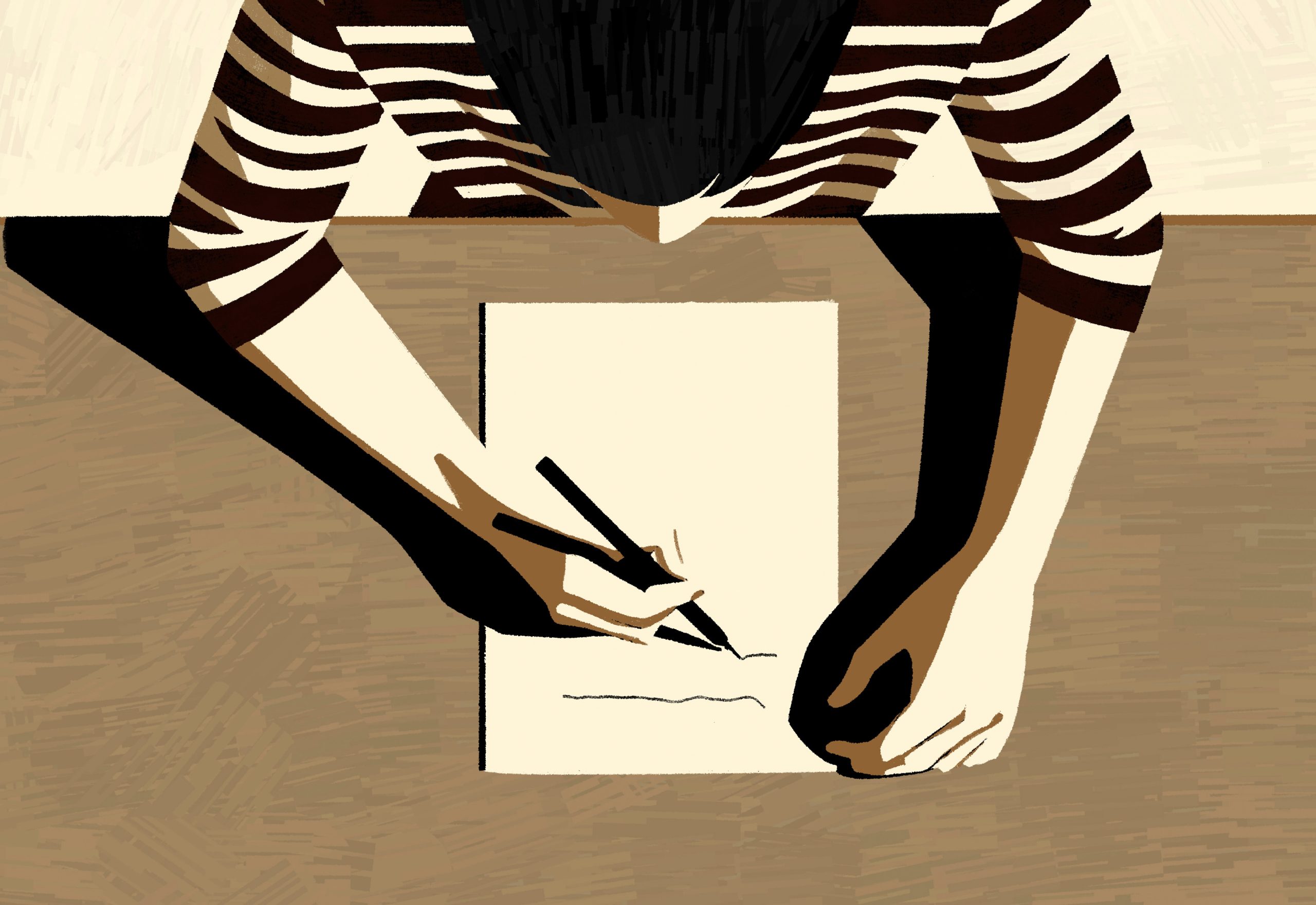
Writing the actual word "homeless" down on paper during class shifted something fundamental within her. A crack suddenly appeared in her emotional foundation. When Professor Lopez asked the room if anyone wanted to volunteer to read their thoughts aloud, Grieve remained silent, too overwhelmed by shame to raise her hand.
Writing possesses a unique and sometimes unsettling way of pulling ugly, buried memories to the surface, much like pulling persistent weeds from a well-tended garden. Yet, naming those realities matters profoundly. She had been homeless. It was precisely from that deep point of pain that the young author of the zine had chosen to take constructive action, passionately arguing in her writing for affordable housing solutions, housing cooperatives, and rent control policies.
For their capstone project, Professor Lopez challenged the students to identify a pressing community need and carefully consider how they might take steps to address it. Looking around the room at the women seated beside her, Grieve recognized that many of them had endured severe violence, trauma, and betrayal long before they ever arrived in prison.
Drawing from this collective resilience, she began sketching out a strategic plan for her vision: an online literary journal dedicated specifically to women affected by gender-based violence. Her ultimate hope remains simple yet ambitious—that more women might discover the very same strength and liberation that writing has afforded her.
Grieve writes because she carries an untold story, one that is shared by countless women who have survived physical and emotional violence at the hands of individuals they once loved deeply. Writing has transformed into both her personal lifeline and her ongoing mission: to foster trauma-informed expression and give tangible shape to human experiences that are too frequently ignored by society at large.
Her daily work assignment maintaining the prison grounds recently brought an unexpected moment of revelation. As she swatted away mosquitoes and carefully manipulated pruning shears, she was struck by a simple metaphor: removing something old, deadened, and unnecessary from a plant ultimately creates the vital space needed for new growth and renewal.
Paula Grieve won a 2024 PEN America Prison and Justice writing award and a 2025 Stillwater Journalism award. Her work has been featured in the Oakland Arts Review, Sinking City Magazine, and Literary Hub, among other publications. She is currently studying business through Adams State University in Colorado.