 11

Travelers across the United States are facing a harsh economic reality at airport ticket counters and online booking portals as airfares climb steeply. Driven by escalating geopolitical tensions and a dramatic spike in jet fuel prices, major domestic and international carriers have acknowledged raising ticket prices to offset operational costs. For consumers eager to travel, the landscape has shifted from finding casual deals to managing a significantly more expensive marketplace. However, travel experts emphasize that high prices do not mean travel has to stop entirely; rather, it demands a fundamental shift in how consumers approach the booking and rebooking process.
The primary driver behind the current surge in airfare is the cost of energy. In the wake of conflicts involving the U.S. and Israel affecting regions tied to global petroleum production, jet fuel prices have nearly doubled. Simultaneously, the broader cost of crude oil has risen by over 90% compared to the previous year. Major airlines and international carriers have made it clear they intend to pass these increased operating expenses directly onto consumers rather than absorbing them. Consequently, standard assumptions about seasonal discounts—such as reliable price drops for winter travel—are no longer holding true in the current economic environment.

Rather than accepting high costs or canceling upcoming trips altogether, frequent flyers and industry analysts are modifying their booking strategies to protect their wallets. The approach requires a mix of early commitments, utilizing modern tracking technology, maximizing credit card points and airline miles, and remaining flexible with destination choices.
With price volatility characterizing the current market, waiting for airfares to drop has become a riskier gamble. Industry advice now strongly favors booking flights as soon as a tolerable price appears, as fares are statistically more likely to increase the longer a traveler waits.
This pricing climate has also reinforced the importance of the "Flight First Rule." Traditionally, travelers often secure vacation time, reserve hotels, and arrange ground transportation before ever looking at flights. Experts argue that this traditional sequence leaves consumers vulnerable to inflated airline pricing because they are locked into rigid dates. By flipping the process and searching for and booking flights first, travelers gain the flexibility to shift their departure or return by a single day or two to capture significantly lower rates.
Furthermore, financial analysts urge travelers to exercise caution when considering basic economy fares. While these entry-level tickets might shave a modest amount off the upfront purchase price, the lack of flexibility and added fees for basic amenities can result in higher overall expenses if plans need to be altered.
Securing a ticket is increasingly viewed by savvy travelers as only the first step in a dynamic process. Because airline pricing, seat availability, and frequent flyer inventories fluctuate constantly up until departure, proactive passengers are increasingly turning to re-booking strategies.
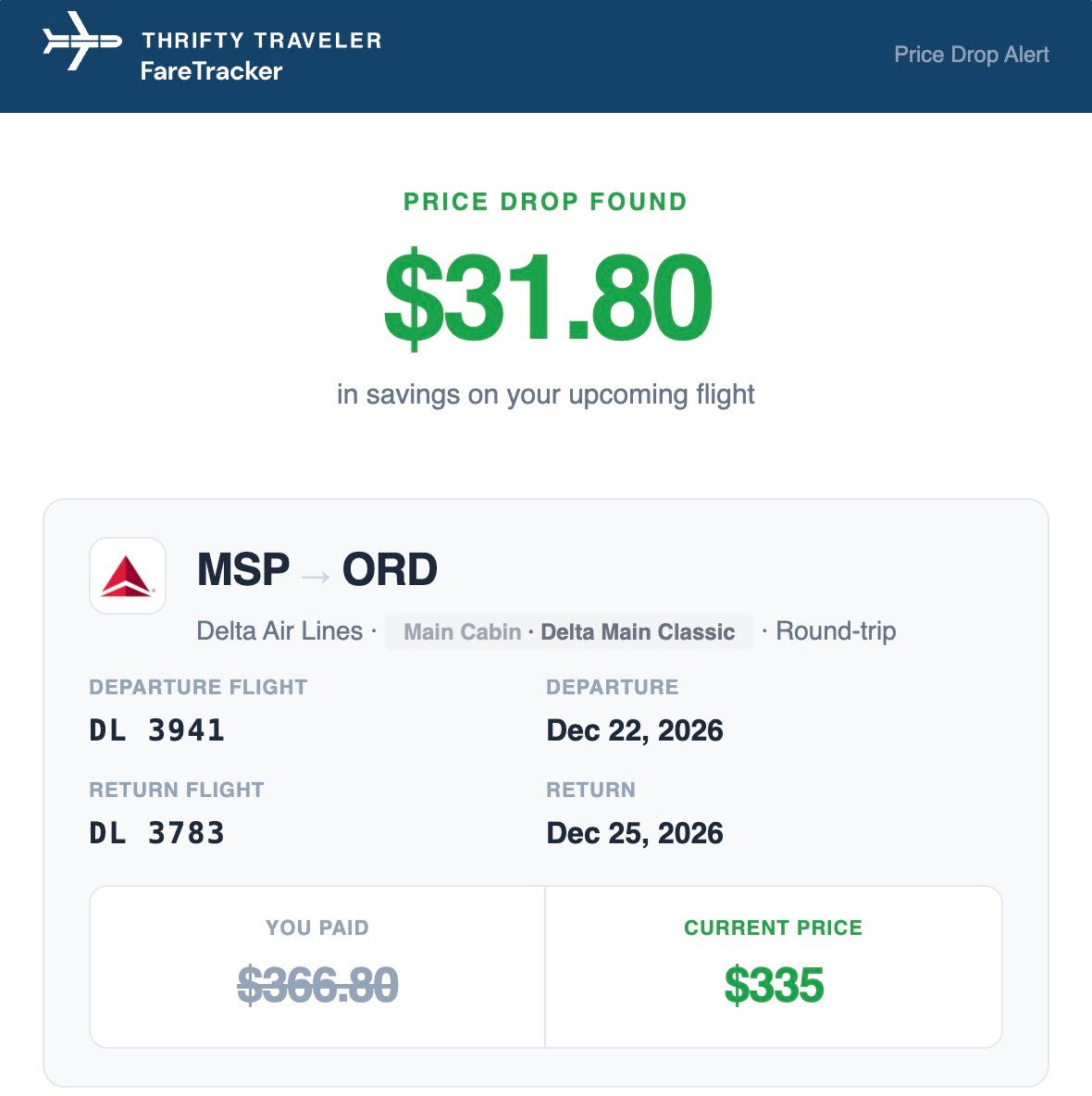
Digital tracking tools have emerged as essential resources for this purpose. After purchasing a ticket in the main cabin or higher, travelers can input their flight details into specialized tracking platforms, such as FareTracker, which continuously monitor fare fluctuations. If the price of the exact itinerary drops after purchase, the system alerts the traveler, allowing them to secure the difference as an electronic travel credit for future use.
This strategy transforms what would otherwise be a static purchase into a fluid opportunity. Even modest price reductions, when captured as e-credits, accumulate over time to offset the financial impact of higher overall travel costs.
As cash prices for flights soar, stored balances of airline miles and credit card transferable points are offering a vital alternative for budget-conscious travelers. Major U.S. carriers, including American Airlines, Delta Air Lines, United Airlines, and Alaska Airlines, generally permit free cancellations on award tickets, allowing passengers to reclaim both their mileage balances and associated taxes and fees if plans change.
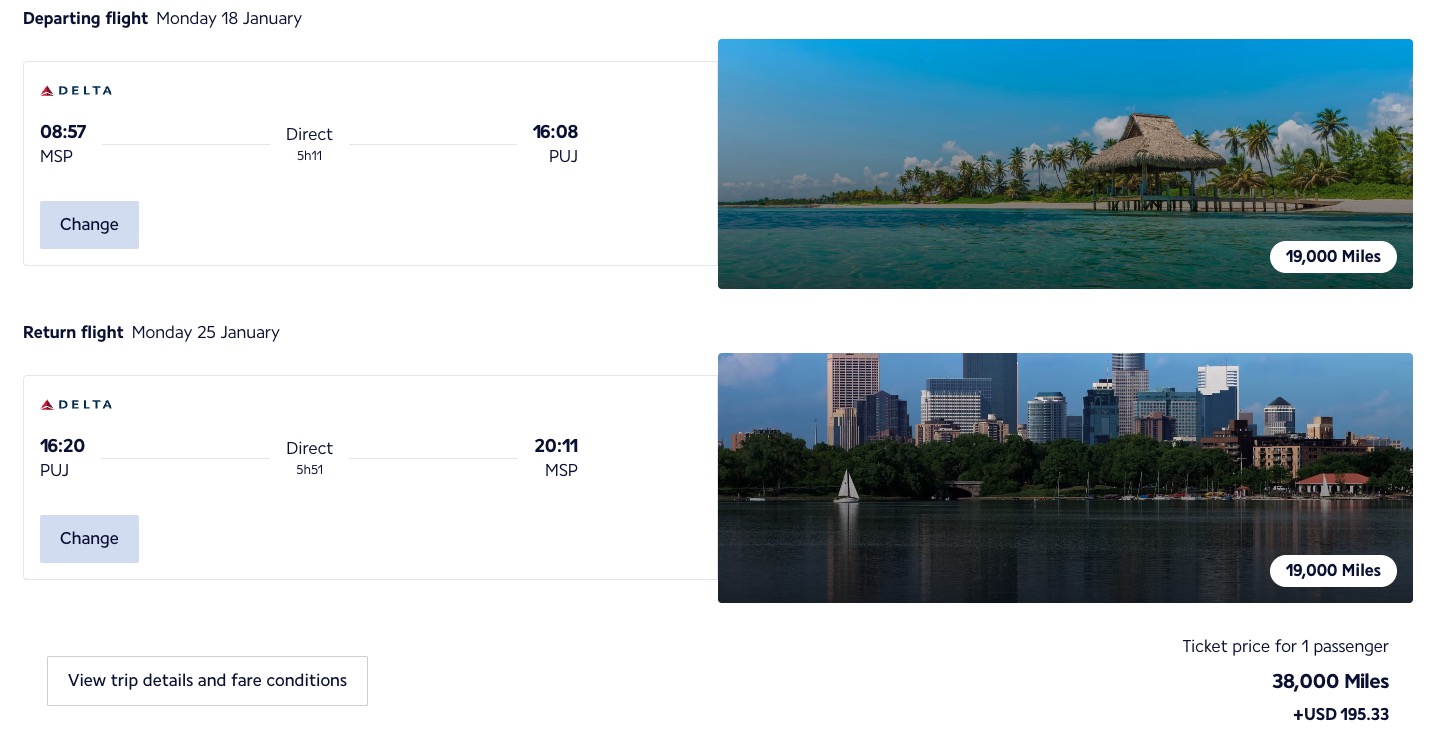
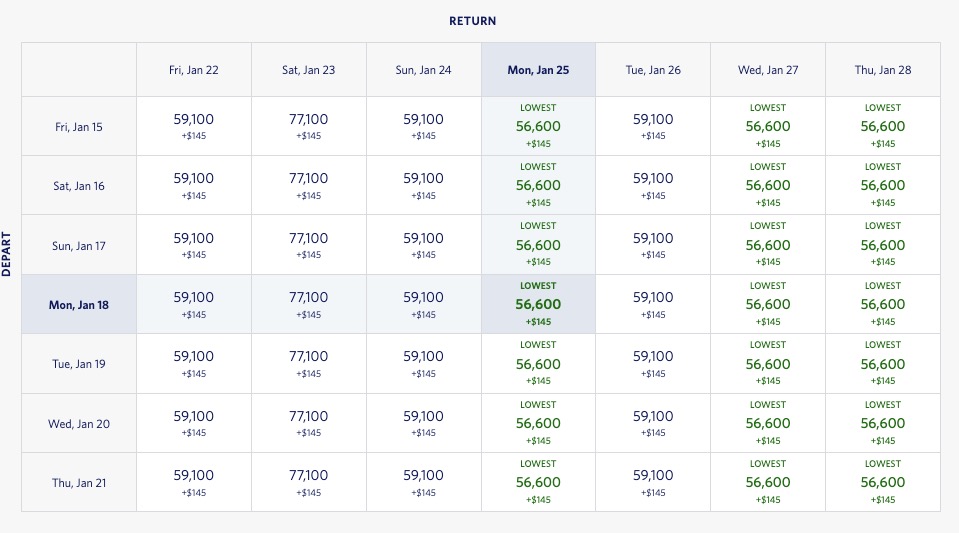
Because several domestic carriers tie their mileage redemption rates directly to the underlying cash price of a ticket, savvy flyers can monitor cash prices and rebook their award flights if fares drop, thereby conserving thousands of miles. Additionally, booking through international partner airlines—such as Air France and KLM, Air Canada Aeroplan, or British Airways—often yields exceptional value. These carriers frequently utilize fixed award charts rather than dynamic pricing models, enabling travelers to transfer points from major credit card ecosystems like Chase, American Express, and Capital One to secure flights for a fraction of the cash cost.
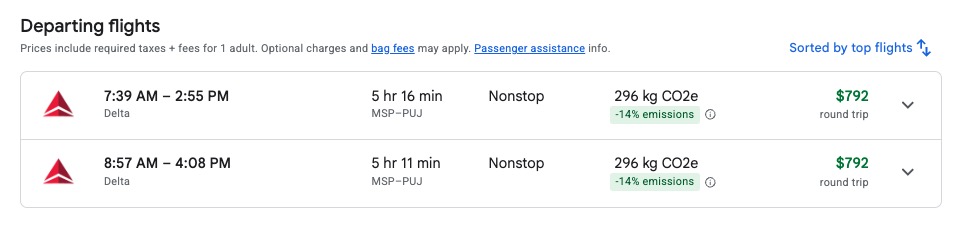
For example, travelers examining peak winter routes from Minneapolis to destinations like Punta Cana have found cash prices approaching $800 for basic economy tickets. While domestic frequent flyer programs might price the same nonstop itinerary at substantial mileage rates, leveraging partner programs like Air France-KLM Flying Blue can reduce the required mileage significantly while booking passengers directly into the main cabin with seat selections included. While some partner programs charge modest cancellation fees to redeposit miles, the overall savings on high-cost routes often outweigh the penalty.
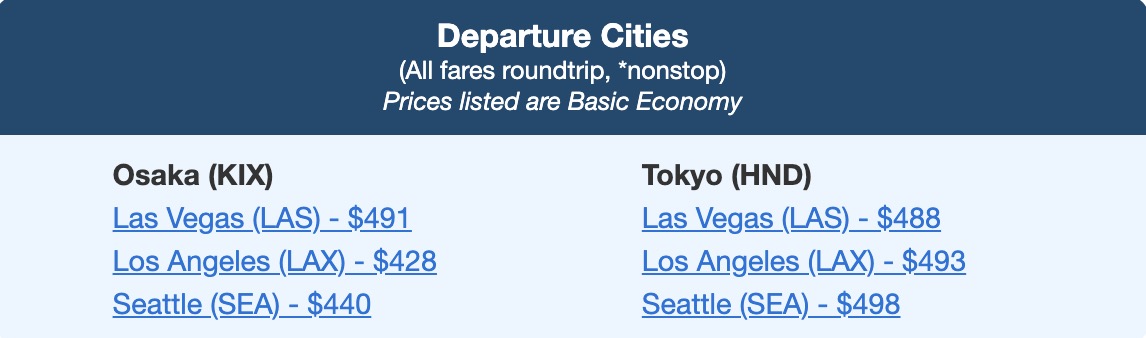
Despite the challenging cost environment, discounted fares continue to emerge for travelers who remain adaptable. Utilizing flexible search tools like interactive mapping features allows consumers to monitor wide-ranging pricing trends from their local airports rather than committing prematurely to a single destination.
Flight deal services continue to track anomalous price drops, such as occasional flash sales on transpacific routes or discounted premium cabin availability across international networks. By keeping travel plans flexible and allowing low fares to dictate their itineraries, consumers continue to find viable opportunities to travel despite broader market inflation.

Ultimately, industry experts suggest that the current pricing climate requires resilience rather than retreat. By booking early, leveraging automated price tracking, utilizing loyalty currency strategically, and maintaining flexibility, travelers can continue to navigate the market without overpaying.