 11
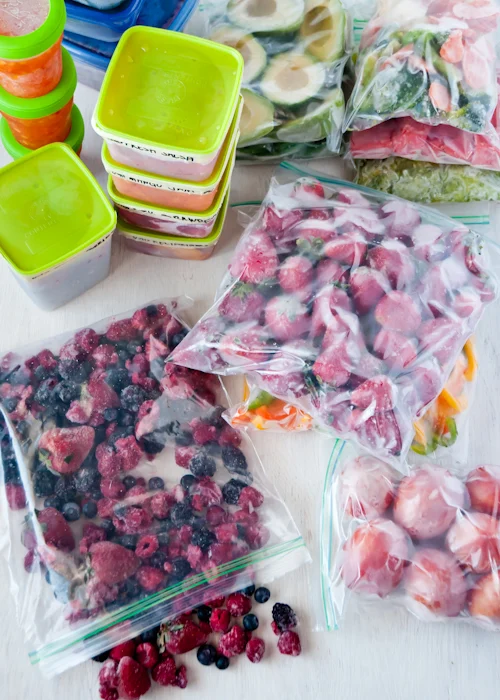
As the peak harvest season yields an abundance of fresh fruits and vegetables from home gardens, roadside stands, and local farmers markets, households across the country face the classic challenge of preserving perishable produce to enjoy throughout the year. While traditional canning remains a staple preservation method for many home cooks, an increasing number of families are turning to freezing as a preferred, efficient alternative, particularly for produce destined for daily smoothies, cooking, and baking.

Freezing offers a distinct advantage in capturing the vibrant, natural taste of fresh produce. While canning relies on high heat to eliminate microbes, that thermal process can inadvertently diminish certain nutritional values and alter the texture and flavor profile of delicate foods like berries and tender vegetables. Freezing, by contrast, relies on cold temperatures to delay bacterial growth and slow the activity of enzymes, successfully preserving the food without the heavy, cooked taste often associated with canned goods. For many consumers who simply prefer the flavor profile of fresh produce, the freezer has become the storage method of choice.

Transitioning from fresh consumption to freezer storage, however, requires careful planning and a clear understanding of food science. When produce freezes, the water content inside its cells turns to ice and expands, which can cause the rigid cell walls to rupture. Upon thawing, this cellular breakdown can lead to a softer, sometimes mushy texture. Fortunately, understanding how different fruits and vegetables react to cold temperatures allows home cooks to minimize these texture changes and maintain a high-quality product comparable to commercial frozen foods found in grocery stores.

Assembling the right equipment is the first step in successful produce preservation. Unlike complex canning setups that demand specialized pressure cookers and airtight glass seals, freezing is remarkably accessible. Basic supplies include heavy-duty freezer bags for dry-pack freezing—where items are stored without syrups or purees—as well as rigid plastic containers, glass jars, and containers suitable for liquid or semi-solid preparations like sauces and jams. Additional kitchen staples such as freezer paper, freezer tape, and heavy-duty aluminum foil prove invaluable for packaging foods securely and protecting them against freezer burn during long-term storage, which typically spans six to twelve months or longer. A rimmed baking sheet is also essential for implementing efficient freezing techniques for whole and sliced items.

Proper preparation before freezing dictates the ultimate quality of the preserved food. All fruits and vegetables must be thoroughly washed to remove dirt and surface debris, then patted completely dry. While some items can be frozen whole, others require peeling, pitting, or cutting into uniform, smaller pieces. Produce such as berries, bananas, chili peppers, green beans, asparagus, tomatoes, and corn thrive when frozen whole. Meanwhile, items like bell peppers, avocados, mangoes, pineapples, melons, peas, carrots, broccoli, cauliflower, stone fruits, and squash perform best when sliced, diced, or cut into manageable florets. Leafy greens, such as spinach, chard, and kale, can be frozen fresh, but lightly cooking or pureeing them into concentrated cubes significantly reduces the required storage space in the freezer.

Vegetables generally require a brief preparatory step known as blanching prior to freezing. This process involves plunging prepared vegetables into boiling water for a short duration, usually three to four minutes, followed by an immediate transfer to a large bowl of ice water to halt the cooking process. Blanching serves multiple critical functions: it deactivates enzymes that cause loss of flavor, color, and texture, helps mitigate post-thawing mushiness, and eliminates surface microorganisms that could otherwise accelerate spoilage. Certain produce items, including corn, tomatoes, onions, potatoes, and winter squash, do not require blanching, nor do fruits.

Fruits prone to rapid oxidation and browning when exposed to air, such as peaches, nectarines, apples, bananas, and avocados, benefit greatly from a treatment with an antioxidant solution before entering the freezer. A simple dip in an acidulated water mixture prepared with ascorbic acid or fresh lemon juice effectively prevents discoloration and preserves the visual appeal of the fruit.

When it comes to the actual freezing process, home food preservationists often utilize dry-pack methods centered around the concept of Individually Quick Frozen items. By arranging whole or sliced fruits and vegetables in a single layer on a lined baking sheet, the produce freezes rapidly without clumping together into a solid mass. This individual freezing ensures that items remain easy to portion out later while preserving superior texture and quality after thawing. To maximize the speed of the freezing process, experts recommend lowering the home freezer temperature to zero degrees Fahrenheit or below and ensuring adequate air circulation around the baking sheets by spacing out batches over the course of a day or two.

Once the individual pieces are completely frozen, they can be transferred efficiently into bags or storage containers. Removing as much air as possible from packaging is critical for extending storage life and preventing the formation of hoar frost. Simple household techniques, such as using a straw to extract air from resealable freezer bags before sealing, offer a quick and inexpensive solution. For extended storage periods, specialized vacuum-sealing devices provide superior protection by removing residual oxygen and tightly sealing both bags and rigid containers, yielding optimal results for long-term food preservation.

In addition to dry-pack methods, wet-pack freezing offers another viable approach for specific fruits by submerging them in a light sugar syrup, mirroring traditional canning recipes but eliminating the cooking phase. Furthermore, popular items like freezer jam, homemade purees, soups, and salsas store exceptionally well in the cold environment, offering comforting tastes of the harvest months long after winter arrives.

Proper labeling remains a vital final step in the preservation routine. Containers and bags should always be marked clearly with the contents and the date of freezing, as visual recognition of stored foods can diminish significantly over months in the freezer. Utilizing durable freezer tape and ensuring adequate headspace in liquid-containing vessels to allow for natural expansion during freezing prevents damaged packaging and messy leaks.

While standard household freezers maintain food safety indefinitely, quality naturally declines over time. As a general rule, frozen fruits retain optimal quality for approximately one year, while vegetables maintain their standard for up to eighteen months. When the time comes to utilize the stored harvest, culinary recommendations vary by food type. Fruits are often best consumed while still slightly chilled or incorporated directly into smoothies and sauces, while vegetables generally yield the best results when cooked straight from the freezer without prior thawing, making them an effortless addition to soups, stews, and stir-fries as home cooks continue to enjoy the fruits of their seasonal labor throughout the year.